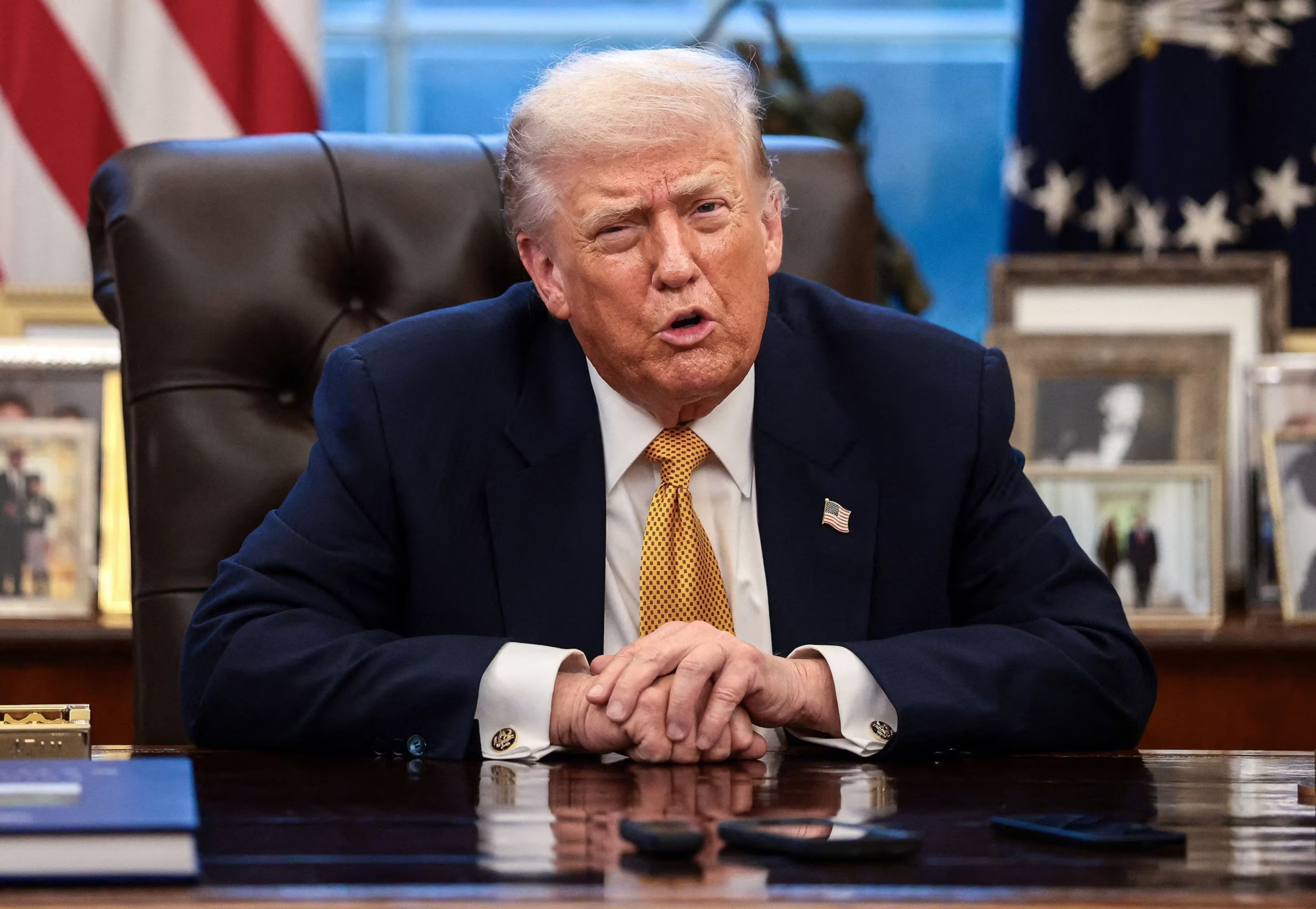
US President Donald Trump said on Monday that he will soon decide whether to approve further weapons sales to Taiwan, following a warning from Chinese President Xi Jinping urging Washington to proceed cautiously.
Speaking to reporters, Trump said discussions with Xi are ongoing and indicated that a decision would be made in the near future.
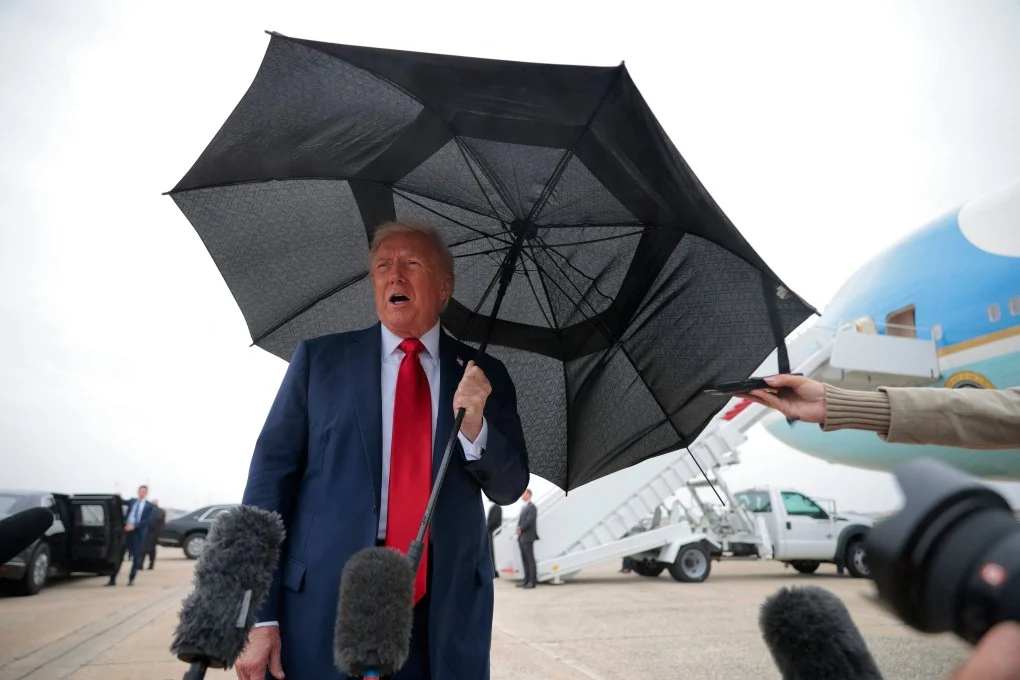
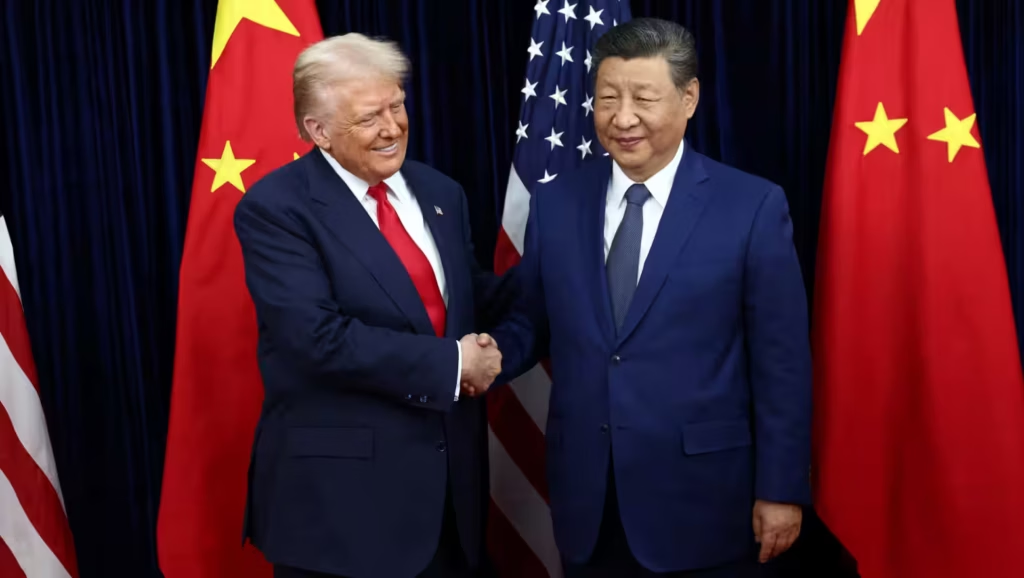
“I’m talking to him about it. We had a good conversation, and we’ll make a determination pretty soon,” Trump said, noting that he maintains a “good relationship” with the Chinese leader, whose government considers Taiwan part of its sovereign territory.
During a February 4 phone call with Trump, Xi emphasised the need for “mutual respect” in bilateral relations and cautioned the United States against expanding arms transfers to the democratically governed island.
“The Taiwan question is the most important issue in China-US relations… The US must handle arms sales to Taiwan with caution,” Xi said, according to China’s state broadcaster.
Trump and Xi are expected to meet in Beijing in April, a summit that could further shape the trajectory of relations between the two global powers.
Although China’s Communist Party has never exercised control over Taiwan, Beijing insists that the island, home to 23 million people, is part of its territory. Chinese authorities have repeatedly refused to rule out the use of force to bring Taiwan under mainland control.
The United States does not formally recognise Taiwan as a sovereign state but remains its primary supplier of military equipment. However, observers note that the tone of Washington’s support has become somewhat less assertive during Trump’s second term in office.
In December, Taipei announced that Washington had approved $11 billion in arms sales to Taiwan. Shortly after that announcement, China carried out extensive live-fire military exercises designed to simulate a blockade of Taiwan’s major ports.
Despite Trump’s relatively measured rhetoric, Taiwan continues to be a major point of friction between Washington and Beijing. On Saturday, China’s top diplomat, Wang Yi, warned the United States against “plotting” over Taiwan, cautioning that such actions could trigger a “confrontation” with China.
Addressing the Munich Security Conference in Germany, Wang suggested that the United States could adopt a strategy of “instigating and plotting to split China through Taiwan,” which he described as crossing Beijing’s red line.
Taiwan has invested heavily in strengthening its armed forces over the past decade, spending billions of dollars to modernise its defence capabilities. Nonetheless, it faces increasing pressure from Washington to further bolster its military readiness in light of rising tensions with China.
Taiwanese President Lai Ching-te has proposed an additional $40 billion in defence spending over eight years. However, the initiative has been blocked ten times since early December by the opposition-controlled parliament.
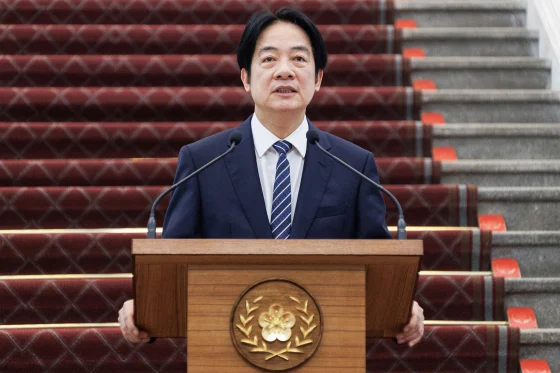
Last Thursday, dozens of US lawmakers called on Taiwan’s opposition parties to stop obstructing the defence package. In an exclusive interview with AFP last week, Lai expressed confidence that the proposed military budget would ultimately secure parliamentary approval.
What you should know
President Donald Trump says he will soon decide whether to send more weapons to Taiwan after Chinese President Xi Jinping warned against further arms sales.
The issue remains central to US-China tensions, especially following Washington’s approval of $11 billion in arms for Taiwan and Beijing’s subsequent military drills.
Taiwan is also seeking to boost its defence spending, though internal political opposition has delayed approval of a proposed $40 billion package.