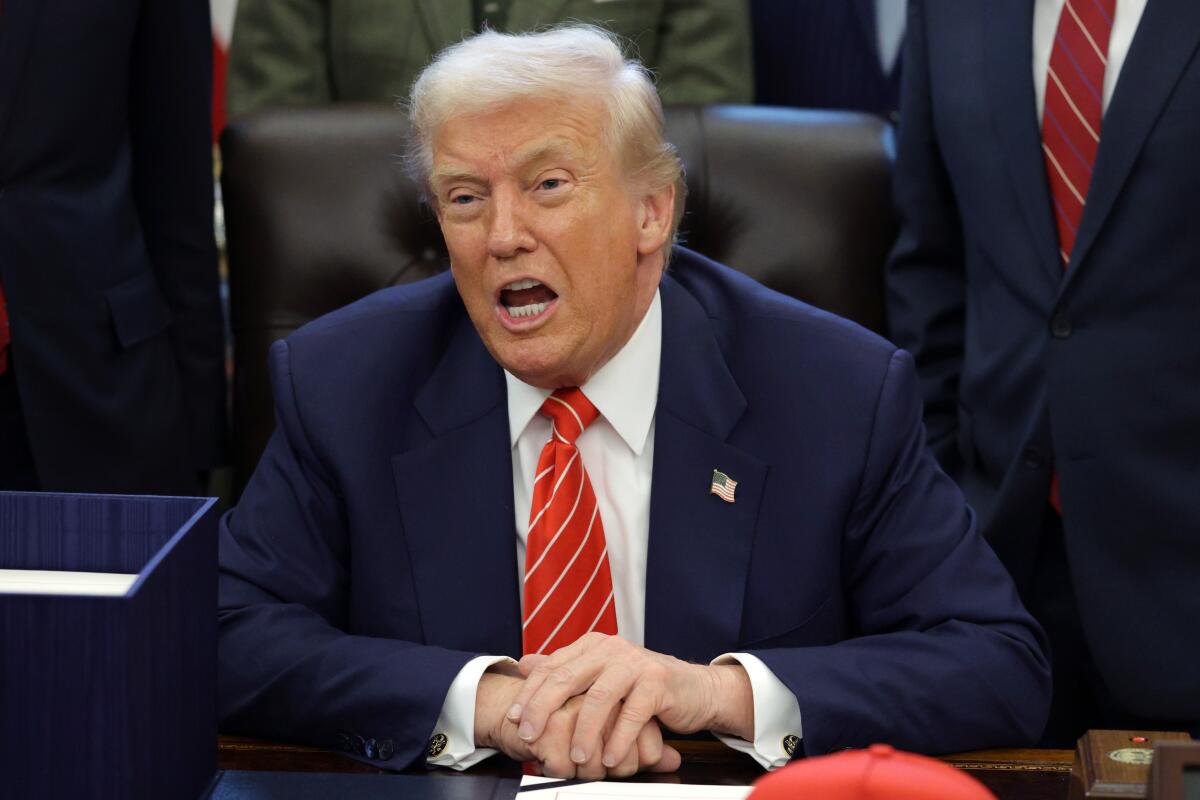
US President Donald Trump on Friday warned that he could attempt to sidestep Congress in order to implement new voting regulations before the November midterm elections, as his Republican Party faces the possibility of losing its hold on the legislature.
Trump indicated that he may soon sign an executive order aimed at enforcing stricter election rules nationwide if lawmakers fail to approve legislation mandating photo identification for voters and introducing other reforms.
Such a move would almost certainly prompt immediate legal challenges and could ultimately be reviewed by the Supreme Court of the United States.
“There will be Voter I.D. for the Midterm Elections, whether approved by Congress or not!” Trump wrote on his Truth Social platform.
“If we can’t get it through Congress, there are Legal reasons why this SCAM is not permitted. I will be presenting them shortly, in the form of an executive order,” he added.
Legislative Hurdles in Congress
Although several states already require photo identification to vote, others do not. Trump and many Republicans have argued, without presenting verified evidence, that jurisdictions lacking such requirements are vulnerable to widespread voter fraud.
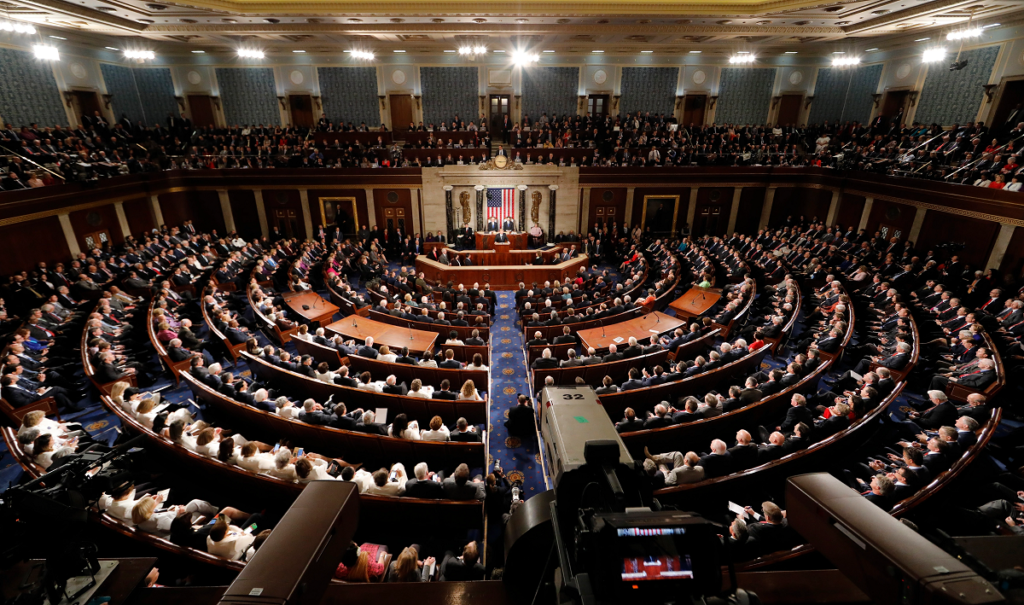
This week, the Trump-endorsed “SAVE America” election reform act cleared the United States House of Representatives, where Republicans currently maintain control.
However, the measure is expected to encounter resistance in the United States Senate. With only a narrow Republican majority, the bill would require Democratic backing to pass, which appears unlikely.
Beyond mandating photo identification at polling stations, the proposed legislation would require individuals to provide proof of US citizenship in order to register to vote.
Critics Warn of Voter Disenfranchisement
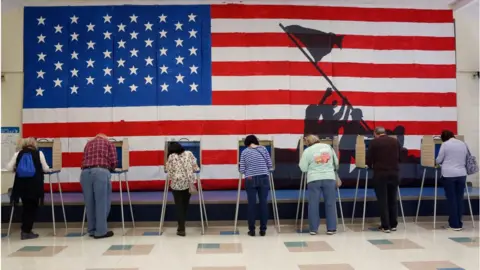
There is no established evidence of widespread voter fraud in US elections. Opponents of the bill argue that the proposed requirements could discourage millions of eligible voters from participating, particularly those who lack passports or certified copies of their birth certificates.
An analysis by the Brennan Center for Justice found that more than 21 million Americans do not have easy access to the necessary documentation.
The center concluded that such measures could “disenfranchise Americans of all ages,” with disproportionate effects on younger voters and ethnic minorities.
Constitutional Questions
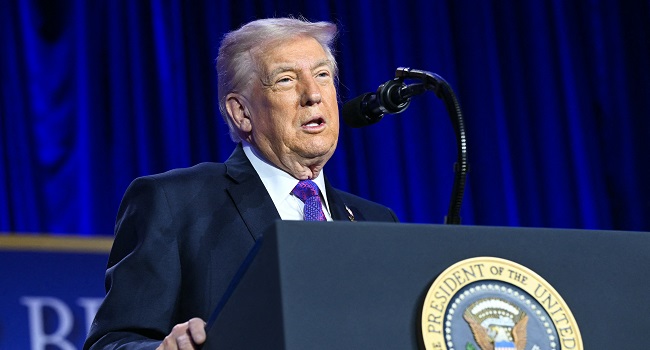
Trump’s effort to introduce sweeping federal election standards has also raised constitutional concerns. Under the US Constitution, individual states maintain broad authority over how elections are administered.
Legal experts have questioned how the president could impose a nationwide voter ID mandate through executive action, given the constitutional balance of powers between federal and state governments.
Nevertheless, the 79-year-old Republican has frequently tested institutional boundaries during his time in office.
In his Truth Social post, Trump reiterated his longstanding claim that stronger election safeguards are necessary due to alleged large-scale fraud, assertions that have been widely disputed.
For years, Trump has promoted this narrative, including in the aftermath of the 2020 election, which he lost to Democrat Joe Biden. His attempts to challenge that outcome were ultimately unsuccessful.
Political Stakes in the Midterms
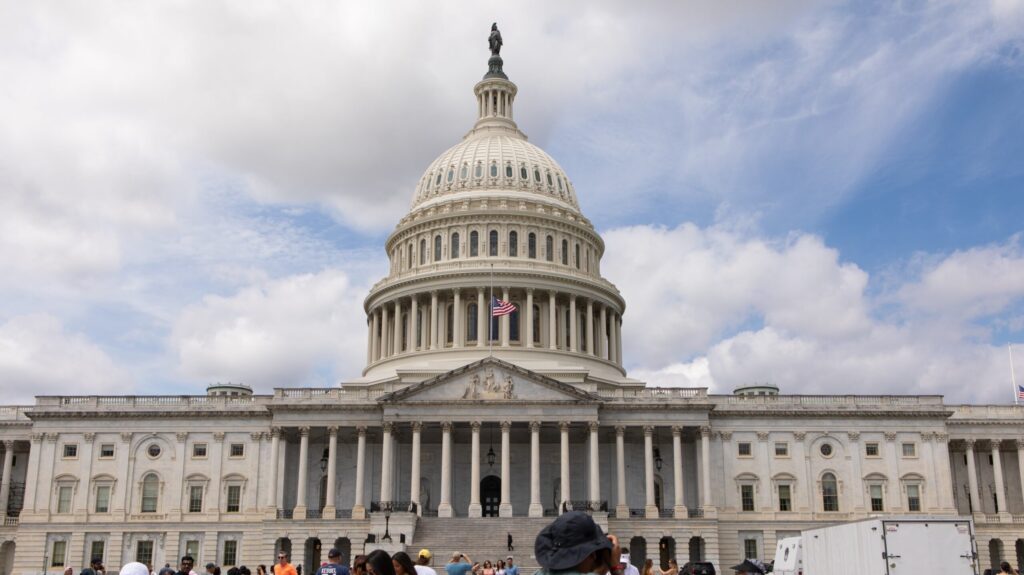
With midterm elections approaching, opinion polls suggest Republicans face a serious risk of losing their slim majority in Congress, especially in the House. Should Democrats regain control, they have signaled plans to obstruct key elements of Trump’s legislative agenda and have indicated that impeachment proceedings could be considered.
The coming months are therefore likely to see intensified debate over election laws, executive authority, and the balance of power between Congress and the White House.
What you should know
President Donald Trump has threatened to issue an executive order imposing nationwide voter ID requirements if Congress fails to pass the “SAVE America” election reform act.
The bill, which passed the House but faces challenges in the Senate, would mandate photo ID for voting and proof of citizenship for voter registration. Critics argue the measures could disenfranchise millions of Americans and note there is no evidence of widespread voter fraud.
Any executive action could face legal challenges, potentially reaching the Supreme Court, as constitutional questions remain over federal authority in election administration.