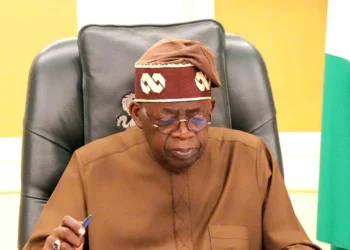
A large group of protesters led by supporters of Peter Obi and other civic activists marched to the National Assembly Complex in Abuja on Monday.
They are demanding that real-time electronic transmission of election results be included in the ongoing amendment of the Electoral Act. The action came amid nationwide debate and rising tension over changes the Senate made to the proposed Electoral Act Amendment Bill.
The march, which took place as the Senate brought together youths, civil society groups and members of opposition movements. Many of the demonstrators carried banners calling for results to be sent electronically from polling units directly to the Independent National Electoral Commission’s results portal, insisting this is vital for credible elections.
The protest movement adopted the name “Occupy National Assembly” for the demonstration in the federal capital. Participants expressed anger at the Senate’s decision earlier this month to remove a clause that would have made real-time electronic transmission a legal obligation, and instead retain the existing language that allows electronic transmission only after results are counted and announced at polling units.
Security was heavy at the scene, with personnel from the Nigeria Police Force, the Army and the Nigeria Security and Civil Defence Corps deployed to manage the crowd and keep order as the protesters held their ground at the entrance of the complex. The dispute began after the House of Representatives had approved a version of the bill in December that included a clear requirement for real-time electronic transmission of results as votes were tallied, a move seen by many as a step to reduce fraud and increase trust in election outcomes.
However, when the Senate passed its version of the bill in early February, it rejected the clause making it mandatory, keeping more general language on how results are transmitted. The Senate leadership has responded to the backlash by saying it did not remove electronic transmission itself but only the specific term “real-time,” arguing that the change will give the electoral commission flexibility to decide how best to send results given infrastructure challenges in parts of the country.
Former Senate President David Mark also weighed in, saying the National Assembly should let the electoral body decide what is feasible. Despite those explanations, a wide range of groups have continued to criticise the Senate’s action. The Nigeria Labour Congress has warned of possible nationwide protests or election boycotts if the law does not clearly require electronic transmission in real time, saying that the current lack of clarity weakens public trust in elections.
In the face of mounting public pressure, the Senate has scheduled an emergency session to reconvene on Tuesday, February 10, 2026, where lawmakers may revisit parts of the bill or respond further to the protests and the growing demands for clearer election rules.