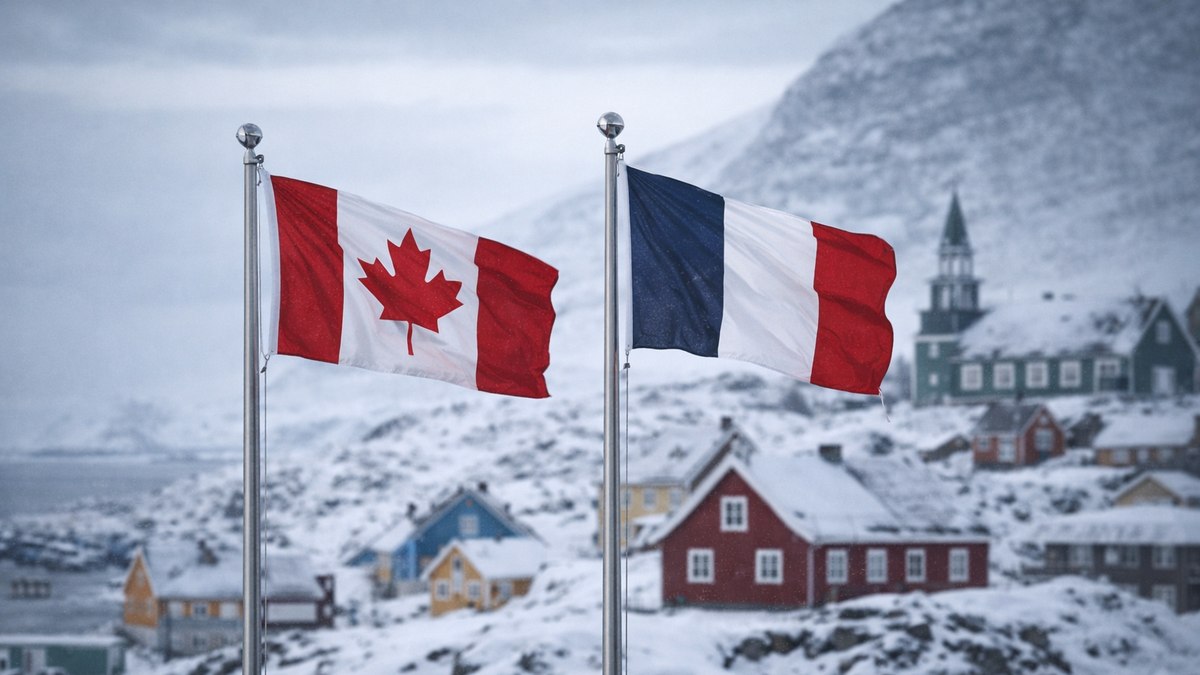
Canada and France, both of which have openly rejected US President Donald Trump’s assertion that Greenland should fall under American control, are set to open new consulates in Nuuk, the capital of the Danish autonomous territory, on Friday.
The move is being widely viewed as a clear diplomatic signal of support for Greenland’s local authorities and a broader pushback against Washington’s stance.
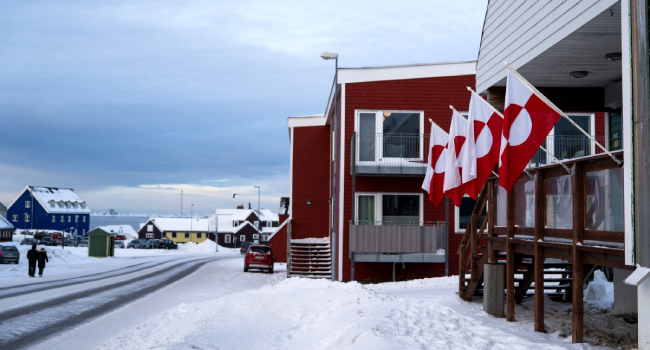
Since his return to the White House last year, Trump has repeatedly argued that the United States needs to take control of the strategically located and mineral-rich Arctic island, citing security considerations. His remarks sparked concern among European allies and Greenlandic leaders over sovereignty and territorial integrity.
Although Trump eased tensions last month by stepping back from earlier threats to seize Greenland, he said he had reached a “framework” agreement with NATO Secretary-General Mark Rutte aimed at securing greater US influence in the region.
Following this, a working group involving the United States, Denmark and Greenland was created to address Washington’s Arctic security concerns, though the specifics of the discussions have not been disclosed publicly.
Denmark and Greenland have acknowledged that they share concerns about security in the Arctic, but they have consistently stressed that sovereignty and territorial integrity remain a “red line” and are non-negotiable in any talks.
“In a sense, it’s a victory for Greenlanders to see two allies opening diplomatic representations in Nuuk,” said Jeppe Strandsbjerg, a political scientist at the University of Greenland. “There is great appreciation for the support against what Trump has said.”
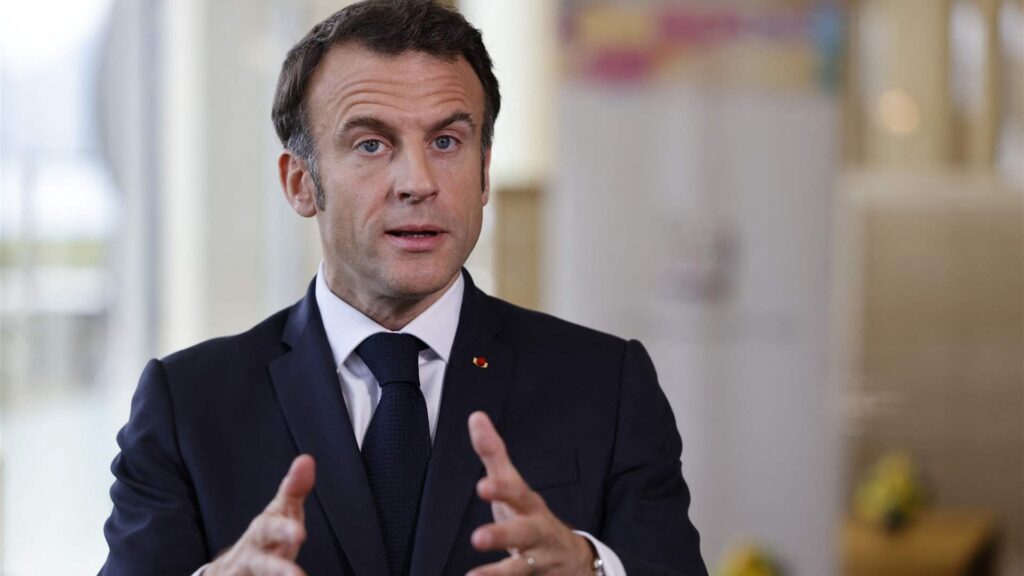
French President Emmanuel Macron first announced France’s intention to open a consulate during a visit to Nuuk in June, where he voiced Europe’s “solidarity” with Greenland and openly criticised Trump’s ambitions regarding the island.
France’s new consul, Jean-Noel Poirier, who previously served as ambassador to Vietnam, said his initial priority would be engagement and reassurance. “The first item on the agenda will be to listen to Greenlanders, to hear them, to let them explain in detail their position, and from our side to confirm to them our support, as much as they and the Danish side want,” Poirier told AFP before travelling from Copenhagen to Nuuk.
Canada, for its part, announced late in 2024 that it would establish a consulate in Greenland as part of efforts to deepen cooperation in the Arctic. According to French researcher and Arctic specialist Mikaa Blugeon-Mered, the decision came as Canada sought to reinforce its Arctic strategy in anticipation of Trump’s return to power.
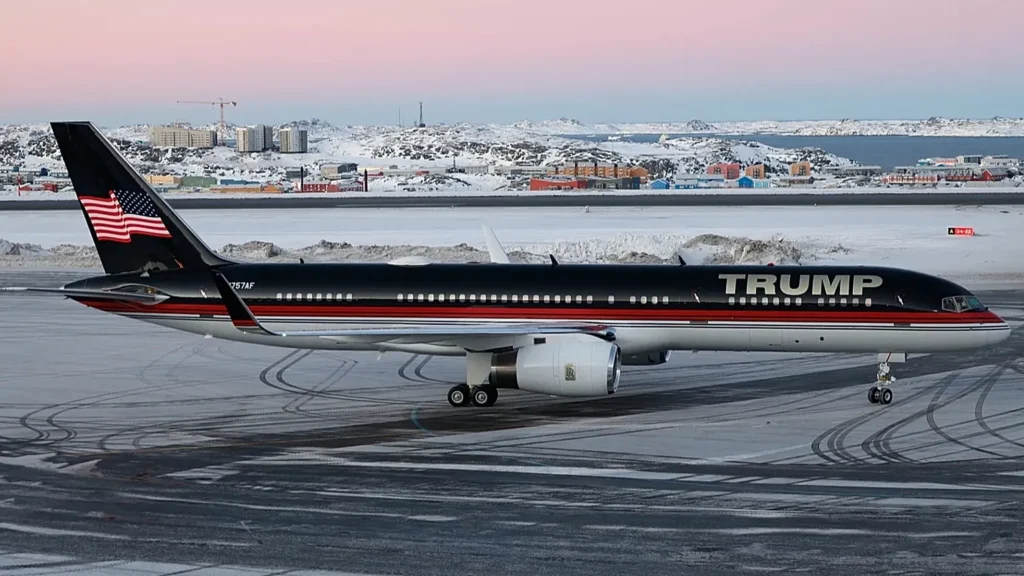
The dual consulate openings are also being interpreted as a broader geopolitical message. “It’s a way of telling Donald Trump that his aggression against Greenland and Denmark is not a question for Greenland and Denmark alone; it’s also a question for European allies and also for Canada as an ally, as a friend of Greenland and the European allies also,” said Ulrik Pram Gad, an Arctic expert at the Danish Institute of International Studies.
Christine Nissen, a security and defence analyst at the Europa think tank, described the move as part of a wider effort to internationalise the issue. “It’s a small step, part of a strategy where we are making this problem European,” she said, adding that “the consequences are obviously not just Danish. It’s European and global.”
Recognition
Beyond immediate geopolitical signalling, analysts say the new consulates also carry symbolic weight for Greenland’s long-term aspirations. Strandsbjerg noted that the French and Canadian missions, which will report to their respective embassies in Copenhagen, could help Greenland “practise” operating with greater independence, a goal many Greenlanders have pursued for years as they seek to loosen ties with Denmark.
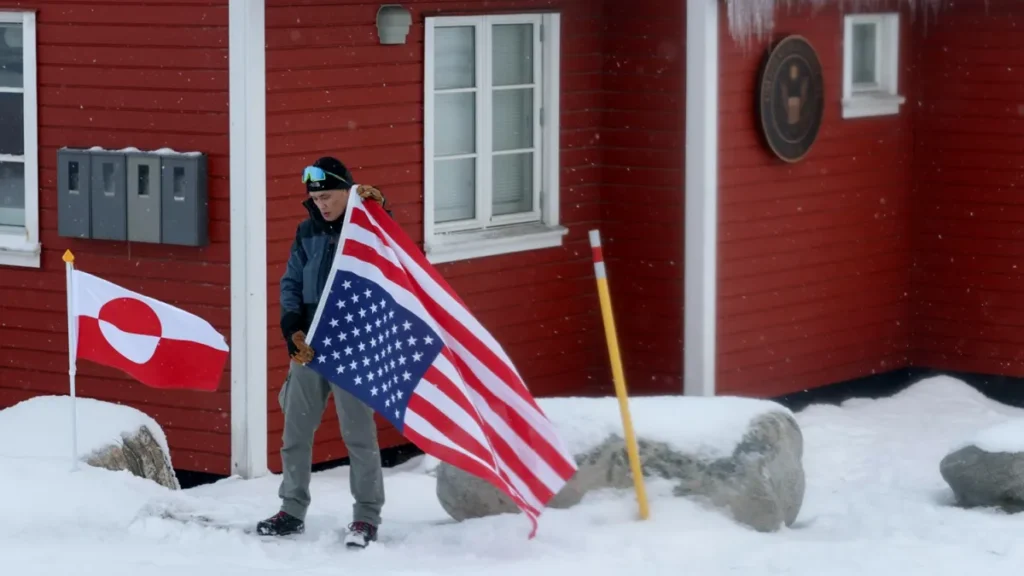
Nissen said the decision reflects recognition of Greenland’s expanding autonomy under its 2009 Self-Government Act. “In terms of their own quest for sovereignty, the Greenlandic people will think to have more direct contact with other European countries,” she explained.
Such direct engagement could gradually reduce Denmark’s central role by broadening Greenland’s international relationships. Pram Gad echoed this view, saying diversification would allow Greenland to lessen its reliance on Denmark by building stronger links in areas such as trade, investment, politics and economic cooperation.
Greenland has steadily expanded its diplomatic footprint over the years. It has maintained relations with the European Union since 1992, with the United States since 2014 and with Iceland since 2017.
Iceland opened a consulate in Nuuk in 2013, while the United States, which previously operated a consulate in the city from 1940 to 1953, reopened its mission in 2020. The European Commission also established an office in Greenland in 2024.
What you should know
The opening of French and Canadian consulates in Greenland is both a diplomatic gesture and a strategic signal.
It reinforces international support for Greenland’s autonomy and sovereignty amid renewed US pressure under President Donald Trump. At the same time, it reflects Greenland’s growing role in Arctic geopolitics, driven by security concerns, climate change and access to critical minerals.
The move also aligns with Greenland’s long-term ambition to expand its international partnerships and reduce dependence on Denmark.