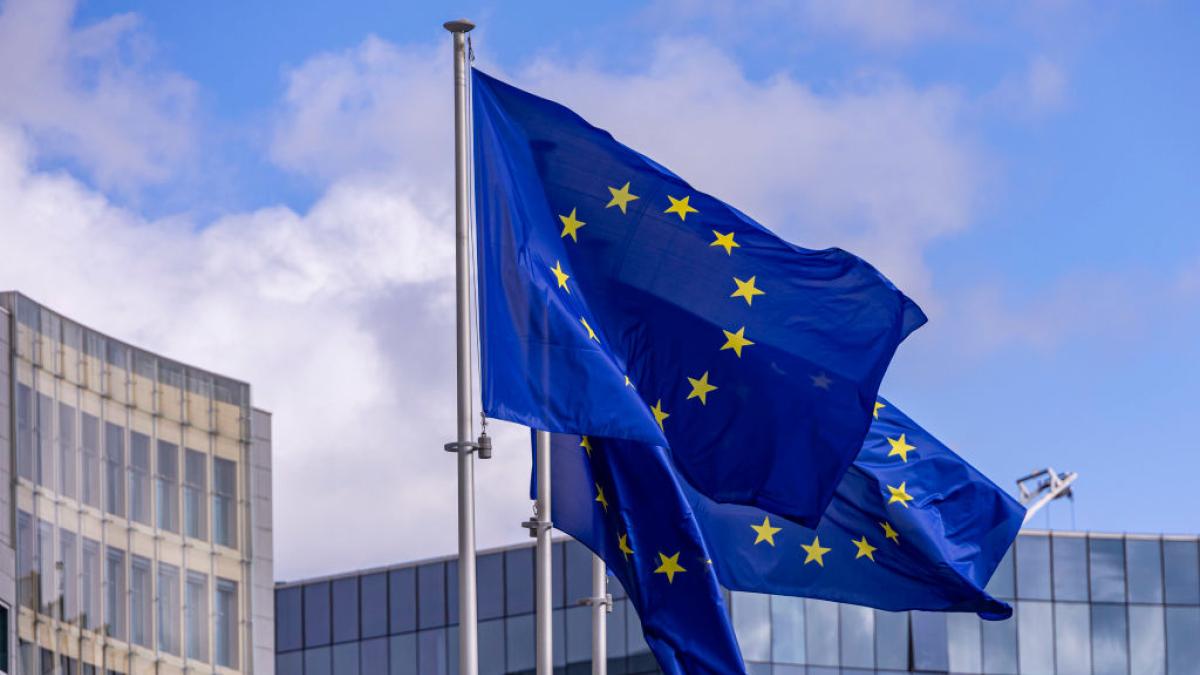
The European Union has bought itself more time in its trade dispute with the U.S., delaying tariffs on $109.8 billion in American goods for another six months, according to an official filing published in the EU’s legal gazette.
The move, which postpones potential duties on goods ranging from corn and motorcycles to dishwashers, comes after a dramatic de-escalation of tensions sparked by President Donald Trump’s recent claims over Greenland and his threats to impose new tariffs on European nations.
Just weeks ago, the transatlantic relationship appeared headed for a major trade conflict. Trump had threatened tariff action against eight European countries—six of them EU member states—in connection with his administration’s renewed interest in acquiring Greenland, the autonomous Danish territory that has strategic importance in the Arctic.
The European Commission, the EU’s executive arm, had its finger hovering over the trigger of a massive retaliatory package that would have hit American exporters hard across multiple sectors. However, the situation shifted rapidly when Trump stepped back from his tariff threats, stating that a deal on Greenland was “in sight.”
The 93 billion euro tariff package represents one of the EU’s most substantial trade weapons, carefully calibrated to inflict economic pain on politically sensitive U.S. industries. The targeted products—including agricultural commodities like corn alongside manufactured goods such as motorcycles and household appliances—were selected to maximize political pressure on the American administration.
This arsenal was originally assembled before the EU and the United States reached a comprehensive trade agreement at the end of July 2024. Following that deal, Brussels suspended the measures for six months, a suspension that was set to expire this past Saturday.
With the new extension, the tariffs will remain on ice from February 7 through August 6, giving both sides another half-year window to solidify their trade relationship.
The European Commission made clear in its filing that this is not a permanent stand-down. Officials indicated they will “keep the suspension under review in light of further developments in U.S. trade relations” and reserved the right to activate the tariffs or take additional measures if circumstances warrant.
This language suggests Brussels is maintaining a posture of cautious engagement—willing to give diplomacy room to work but keeping its economic leverage ready should the Trump administration‘s approach become more confrontational.
The extension reflects the complex calculus facing European policymakers: balancing the desire to avoid a damaging trade war with the need to demonstrate that threats against EU interests will be met with credible countermeasures. For now, at least, the temporary thaw in Greenland-related tensions has bought both sides more time to negotiate rather than retaliate.
WHAT YOU SHOULD KNOW
The EU has postponed its $110 billion retaliatory tariff package against the U.S. for another six months after President Trump backed down from his Greenland-related tariff threats.
While this prevents an immediate trade war, Brussels is keeping its economic weapons ready and will monitor the situation closely—meaning the threat of massive tariffs on American goods from corn to motorcycles remains just one policy shift away from activation. This is a temporary truce, not a permanent peace.