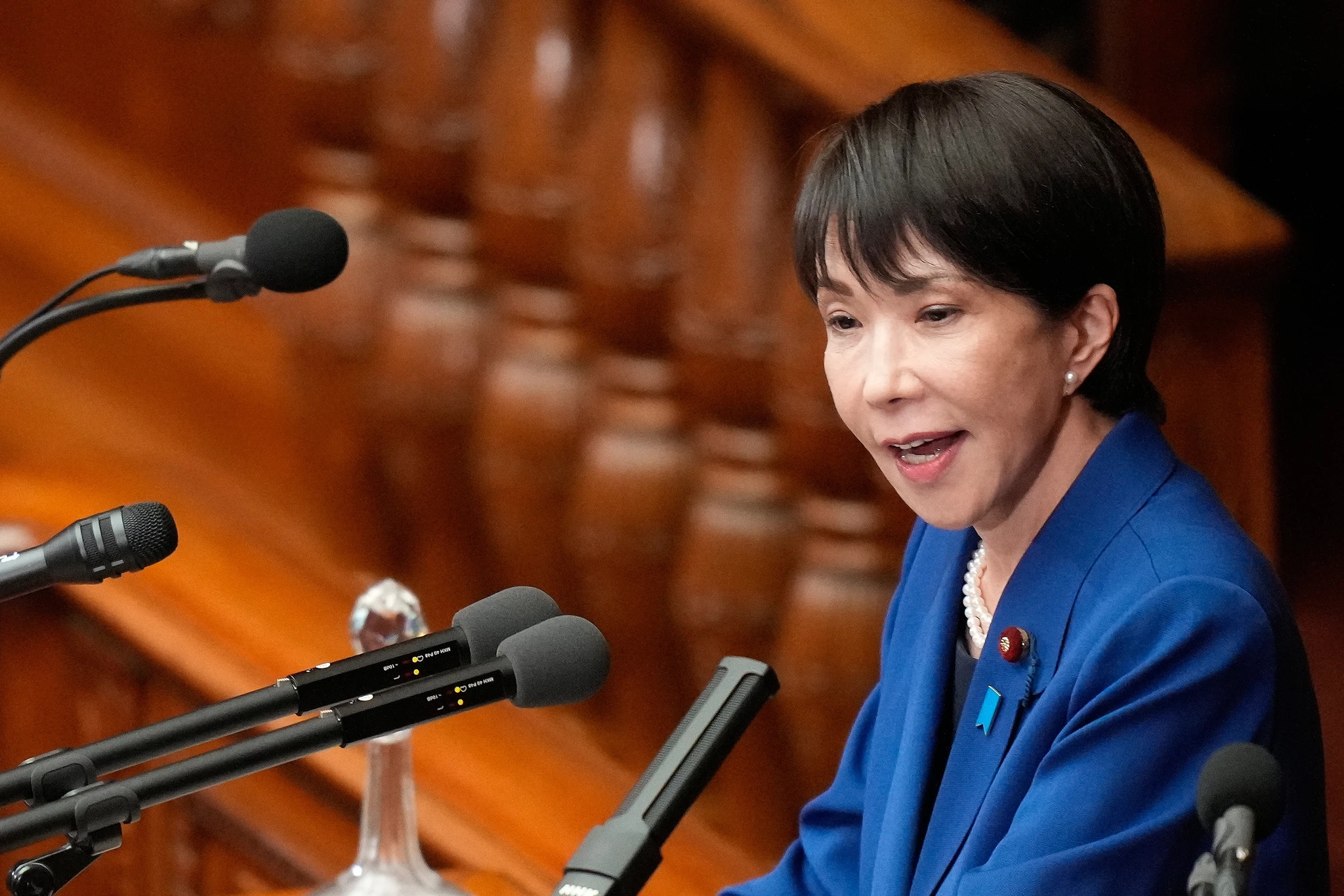
Japan is set to switch the world’s largest nuclear power plant back on next week, following the resolution of an alarm malfunction that briefly halted its first restart attempt since the 2011 Fukushima disaster.
Takeyuki Inagaki, head of the Kashiwazaki-Kariwa nuclear power plant operated by Tokyo Electric Power (TEPCO), disclosed at a press conference on Friday that the company plans “to start up the reactor on February 9”.
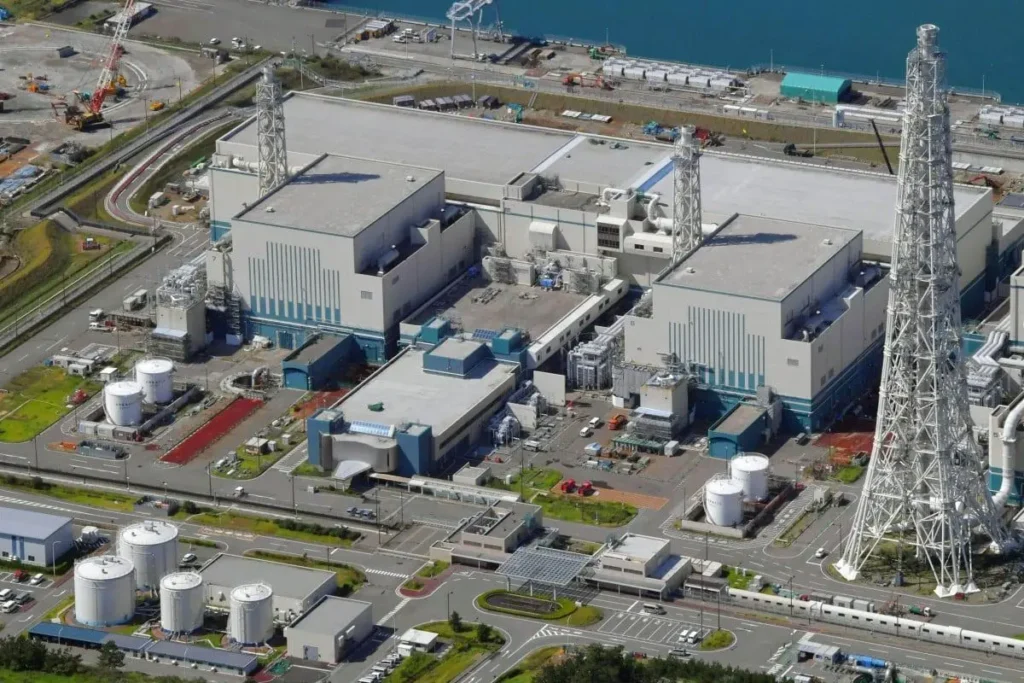
The decision follows an earlier restart on January 21, which was suspended the next day after an alarm from the facility’s monitoring system was triggered.
Inagaki explained that the alert was caused by a configuration error, noting that the system detected minor fluctuations in electrical current in one cable, even though the readings remained within acceptable safety limits.
According to him, TEPCO has since adjusted the alarm settings, confirming that the reactor is safe to operate.
He added that commercial operations are expected to begin on or after March 18, subject to the completion of another full inspection.
Kashiwazaki-Kariwa holds the distinction of being the world’s largest nuclear power plant in terms of potential capacity, although only one of its seven reactors is scheduled to resume operations at this stage.
The plant has remained inactive since Japan shut down its nuclear facilities in the aftermath of the massive earthquake and tsunami in 2011, which led to meltdowns at three reactors in the Fukushima nuclear plant.
Japan, which lacks abundant natural resources, is now seeking to revive nuclear energy as part of efforts to cut dependence on fossil fuels, meet rising electricity demand driven by artificial intelligence, and achieve carbon neutrality by 2050.
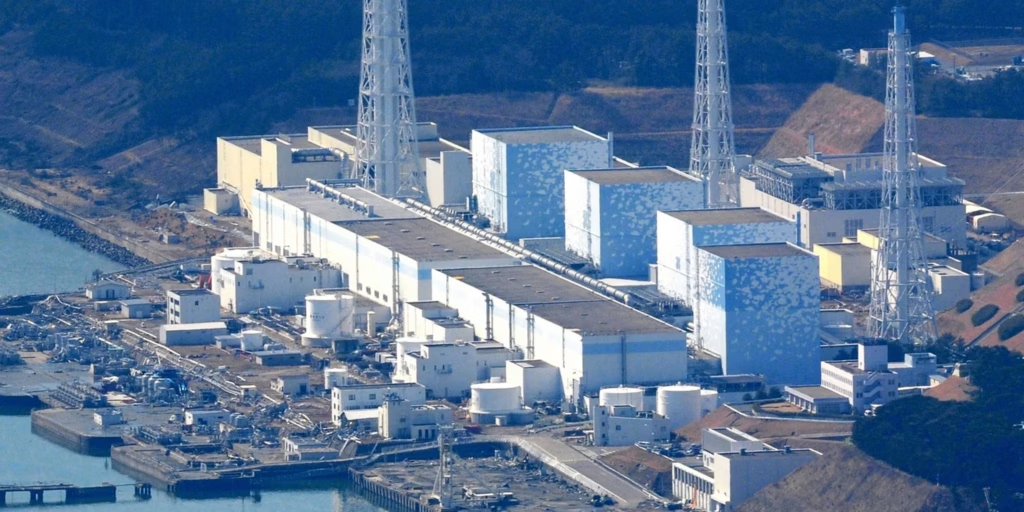
The Kashiwazaki-Kariwa restart marks the first return to operation of a TEPCO-managed nuclear unit since 2011. TEPCO is also responsible for the Fukushima Daiichi plant, which is currently undergoing decommissioning.
Public sentiment in the surrounding region remains sharply divided. A survey conducted by Niigata prefecture in September found that about 60 percent of residents oppose the restart, while 37 percent are in favour.
Opposition groups have also raised safety concerns. In January, seven groups submitted a petition bearing nearly 40,000 signatures to TEPCO and Japan’s Nuclear Regulation Authority, warning that the plant is located near an active seismic fault zone and recalling that it was affected by a strong earthquake in 2007.
What you should know
Japan’s plan to restart the Kashiwazaki-Kariwa nuclear power plant reflects a broader policy shift aimed at balancing energy security, climate goals, and economic demands.
After the Fukushima disaster, nuclear energy faced widespread public resistance, leading to prolonged shutdowns. However, rising fuel costs, emissions targets, and growing power needs are pushing the government back toward atomic energy.
Despite regulatory approval, public opposition remains strong, particularly in seismically active regions.
The restart is therefore both a technical milestone and a political test of public trust in nuclear safety oversight.