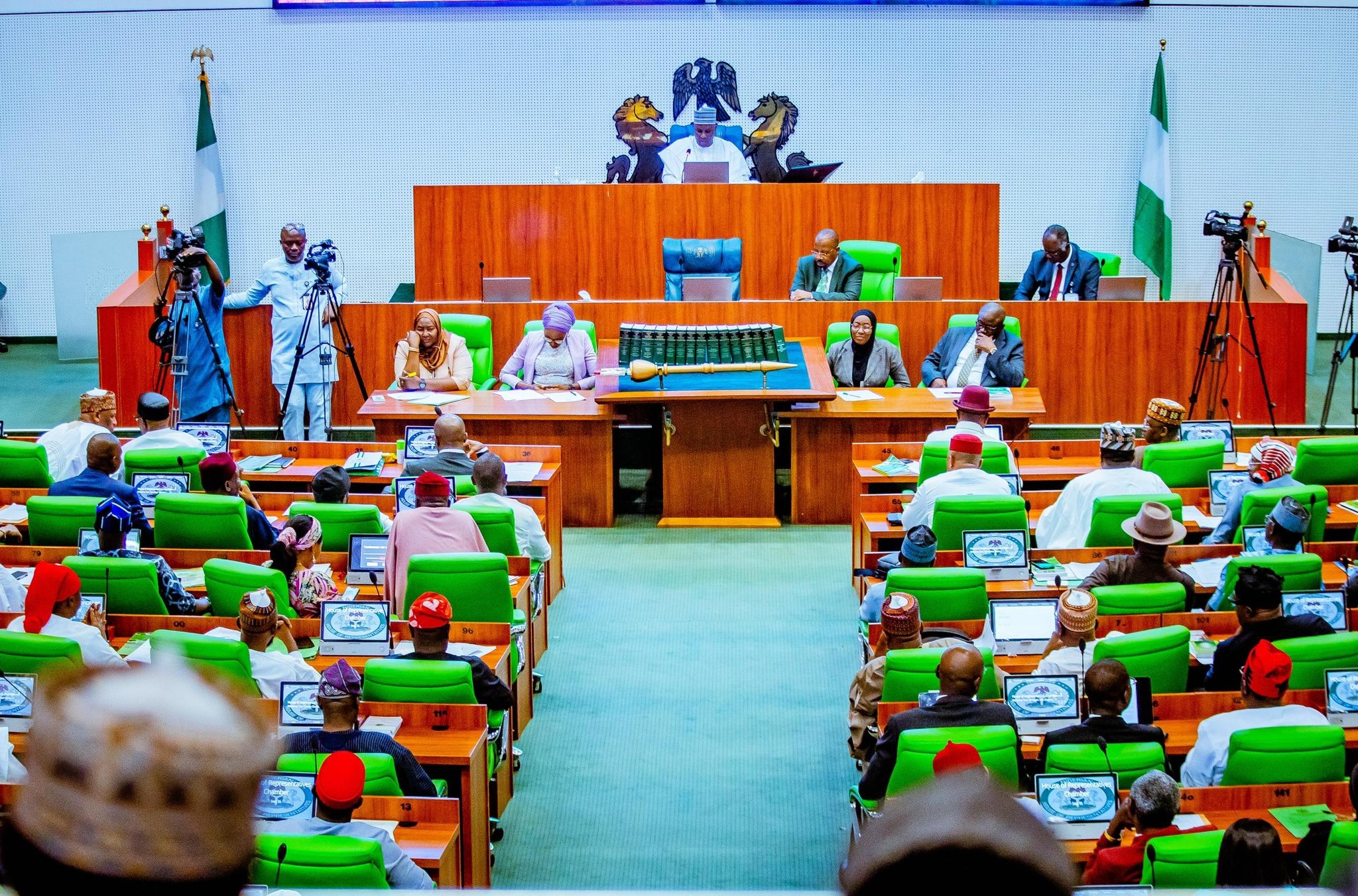
Senator Enyinnaya Abaribe has firmly maintained that the Senate approved the real-time electronic transmission of election results, rejecting media reports suggesting otherwise and warning that his personal integrity is being unfairly questioned over the issue.
Addressing journalists at a media briefing at the National Assembly on Thursday, Abaribe, flanked by 13 serving senators, clarified that the Senate did not approve the “transfer” of results as worded in the 2022 Electoral Act but instead passed the electronic transmission of results, stressing that the distinction was intentional and significant.

“I am concerned about reports in the media, and that is why we decided to make this clarification. What we passed is electronic transmission of results. I need to make this very clear,” he said.
The Abia South senator explained that the decision followed a lengthy legislative process that involved wide consultations with the Independent National Electoral Commission (INEC) and civil society organisations. According to him, a joint committee of the National Assembly held multiple retreats with stakeholders, leading to a consensus by both chambers in favour of electronic transmission of results.
He said the Senate later constituted an ad hoc committee to review the electoral reform report, which was subsequently considered during a closed-door executive session.
“That report was considered during a closed-door session. I can assure you, on my honour, that during the executive session we all agreed on electronic transmission of results in real time. At plenary yesterday, we also passed it,” Abaribe stated.
He noted that confusion arose during the plenary session, despite confirmation by the Senate President on the floor that electronic transmission had been approved. Abaribe further explained that although the Senate adjourned after plenary, it is yet to adopt the Votes and Proceedings, a procedural requirement before the conference committee can harmonise the Senate and House versions of the bill.
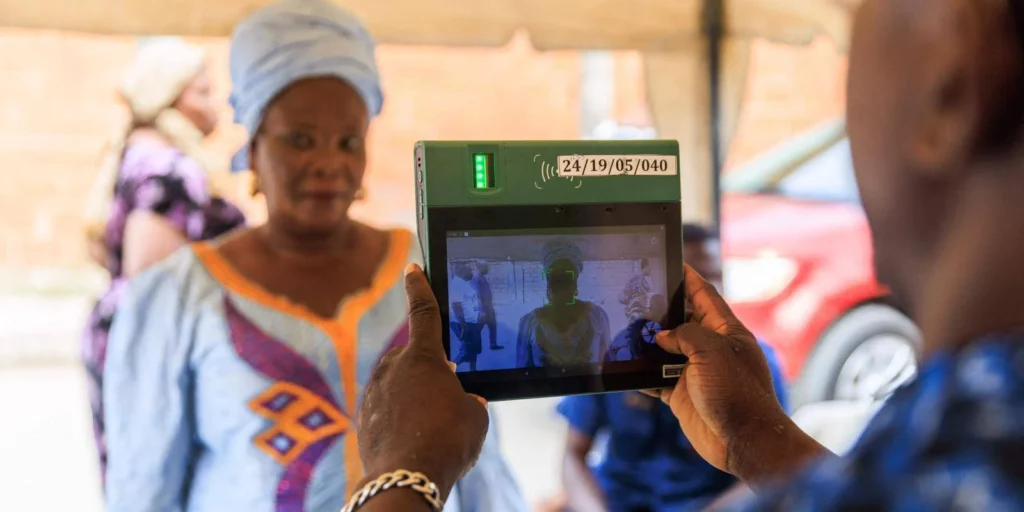
“There is still one more step left for the Senate to take. Until the Votes and Proceedings are adopted, the conference committee cannot take place. Either the House or the Senate version has to be adopted. A huge number of senators across party lines are with us,” he said.
Also speaking, Senator Aliyu Ningi said the process dated back to 2024 and involved extensive deliberations.
“We had about 27 different sessions as a committee. Some of us find this very painful, that public opinion is being pushed in a negative direction despite the work that has been done,” Ningi said.
Both senators stressed that the legislative process remains ongoing and that harmonisation cannot be concluded until all procedural steps are completed.
On the choice of words, Abaribe said the Senate intentionally adopted “transmission” instead of “transfer” to avoid ambiguity in the law.
“What is in the 2022 Act is ‘transfer’. We do not want a law that is vague or ambiguous. What we passed is electronic ‘transmission’ of results,” he said.

However, during the clause-by-clause consideration of the amendment, the Senate removed the word “transmission” and replaced it with “transfer,” consistent with the existing 2022 Electoral Act. The amendment, proposed by the Senate Chief Whip, was immediately seconded by the Deputy Senate President and adopted.
During the debate, Senate Chief Whip Senator Tahir Mongunu argued for retaining the exact wording of the existing law, a position supported by Deputy Senate President Jibrin Barau. Senate President Godswill Akpabio then struck the gavel, affirming the retention of the word “transfer” as contained in the current Act.
What you should know
The debate over electronic transmission of election results reflects deeper tensions within Nigeria’s electoral reform process.
While many lawmakers and stakeholders support real-time electronic transmission to enhance transparency and credibility, disagreements persist over legal wording and procedure. Senator Abaribe insists the Senate’s intention was clear, despite the final clause retaining the term “transfer.”
The issue remains unresolved until the Senate adopts its Votes and Proceedings and the conference committee harmonises both chambers’ versions of the bill, a step that could shape the conduct of future elections.