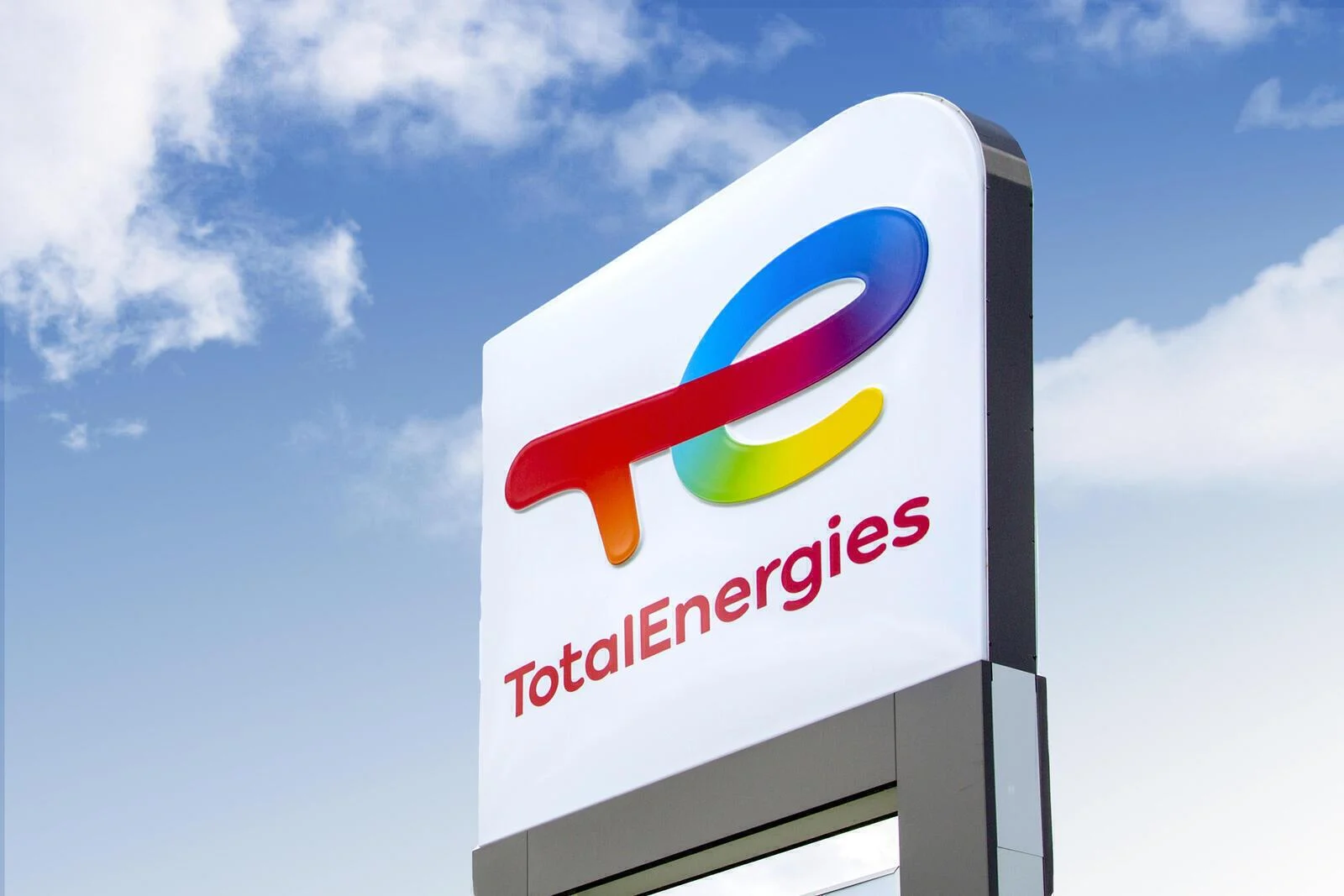
In a ceremony marking one of Africa’s most significant energy developments in recent years, French energy multinational TotalEnergies officially relaunched its massive liquefied natural gas project in northern Mozambique on Thursday, ending a five-year suspension triggered by devastating jihadist violence that has plagued the region.
TotalEnergies Chief Executive Patrick Pouyanne announced the full restart of the Mozambique LNG project during an event attended by President Daniel Chapo, formally lifting the force majeure declaration that has kept the $20 billion venture dormant since 2021.
“I am delighted to announce the full restart of the Mozambique LNG project … The force majeure is over,” Pouyanne declared, signaling renewed confidence in the security situation and the project’s viability despite ongoing regional instability.
The ambitious development in Cabo Delgado province, located on Mozambique’s northeastern border with Tanzania, came to an abrupt halt in March 2021 following a brutal jihadist assault on the coastal town of Palma that claimed an estimated 800 lives. The attack forced TotalEnergies to evacuate personnel and suspend all operations indefinitely, casting doubt over the future of what has been described as the largest private investment in African energy infrastructure.
The hiatus proved costly. TotalEnergies had previously lifted the force majeure status in October, paving the way for Thursday’s formal restart, but the French giant has been seeking $4.5 billion in compensation from the Mozambican government for cost overruns directly attributed to the prolonged delay.
President Chapo’s office emphasized the project’s strategic importance, describing the restart as “a significant milestone for the national economy” that “reaffirms the confidence of international partners in Mozambique’s energy, institutional, and human potential.”
The project is expected to generate thousands of jobs and transform Mozambique into one of the world’s leading LNG exporters, potentially reshaping the impoverished nation’s economic trajectory. However, the benefits remain contested.
Environmental organizations have sharply criticized the development, characterizing it as a “climate bomb” that will contribute significantly to global greenhouse gas emissions while delivering minimal tangible benefits to ordinary Mozambicans. According to World Bank data from 2022, more than 80 percent of the country’s population subsists on less than three dollars per day, raising questions about whether resource wealth will translate into improved living standards for the nation’s citizens.
While the region has not witnessed another attack on the scale of the 2021 Palma massacre, the security environment remains precarious. Jihadist insurgents continue to launch regular attacks against both civilians and security forces throughout northern Mozambique, perpetuating a climate of fear and instability.
The insurgency, which erupted in 2017, has exacted a heavy toll on the region. According to data compiled by the Armed Conflict Location & Event Data Project (ACLED), an NGO specializing in conflict zone monitoring, more than 6,200 people have been killed in the violence over the past eight years.
The restart of the TotalEnergies project represents a calculated gamble that improved security measures—likely including enhanced military protection and regional cooperation—can safeguard the massive industrial infrastructure and workforce required to bring the gas fields into production. Whether this confidence is justified remains to be seen, as Mozambique attempts to balance energy development ambitions with the ongoing humanitarian and security crisis in its northern provinces.
WHAT YOU SHOULD KNOW
TotalEnergies has restarted its $20 billion Mozambique gas project after a five-year suspension caused by jihadist violence that killed 800 people in 2021.
While the project promises to transform Mozambique into a major LNG exporter and create thousands of jobs, three critical concerns remain: ongoing insurgent attacks continue to threaten the region’s security, over 80% of Mozambicans still live in extreme poverty, raising doubts about who will actually benefit from the resource wealth, and environmental groups warn the project will significantly worsen climate change.
This restart represents a high-stakes bet on Africa’s largest energy investment, where economic promise collides with security risks, social inequality, and environmental consequences.