South Korea has become the first country in the world to see a broad and comprehensive law regulating artificial intelligence fully come into force, with specific provisions aimed at tackling the growing threat posed by deepfakes.
The Asian nation, which is home to global memory chip giants such as Samsung and SK hynix, has repeatedly stated its ambition to rank alongside the United States and China as one of the world’s top three artificial intelligence powers.
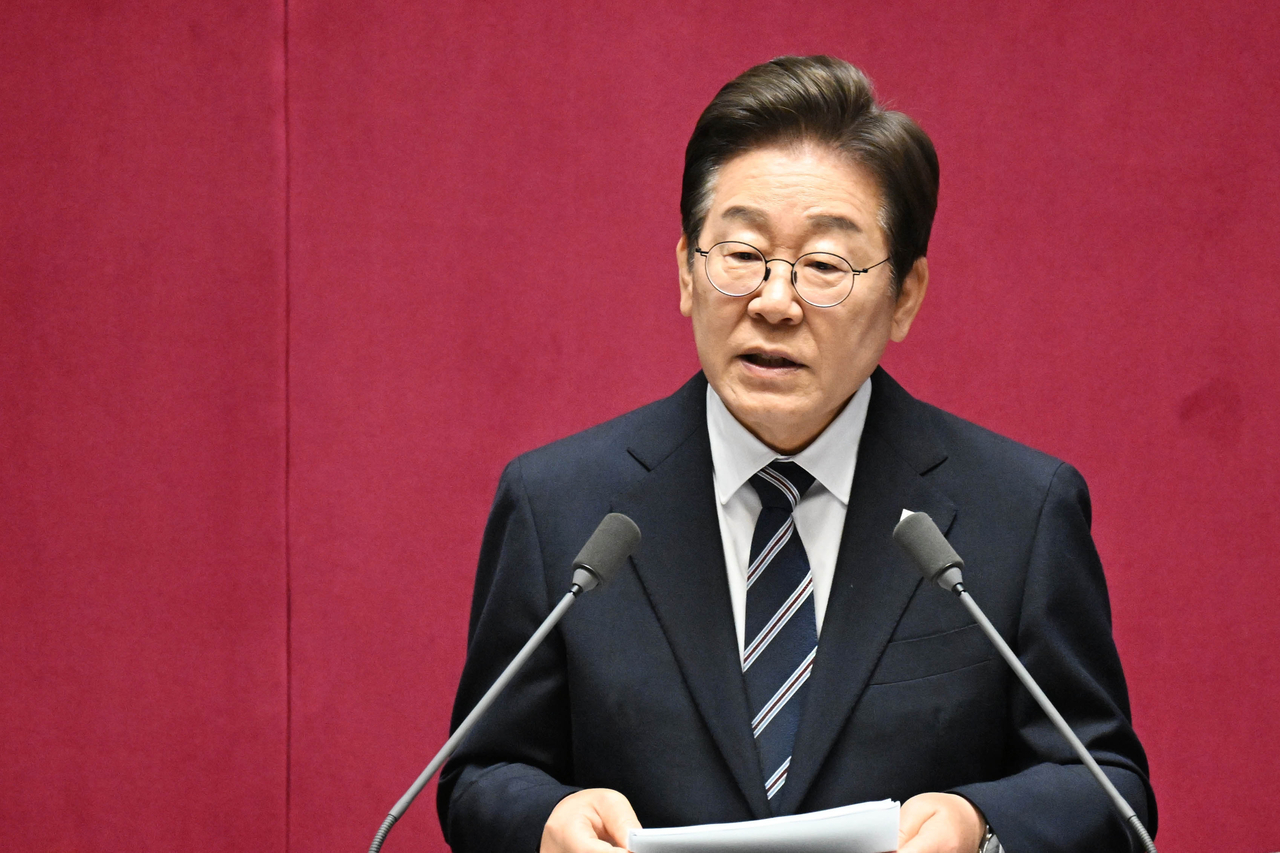
Announcing the development on Thursday, President Lee Jae Myung said, “The AI Basic Act comes into full effect today.”
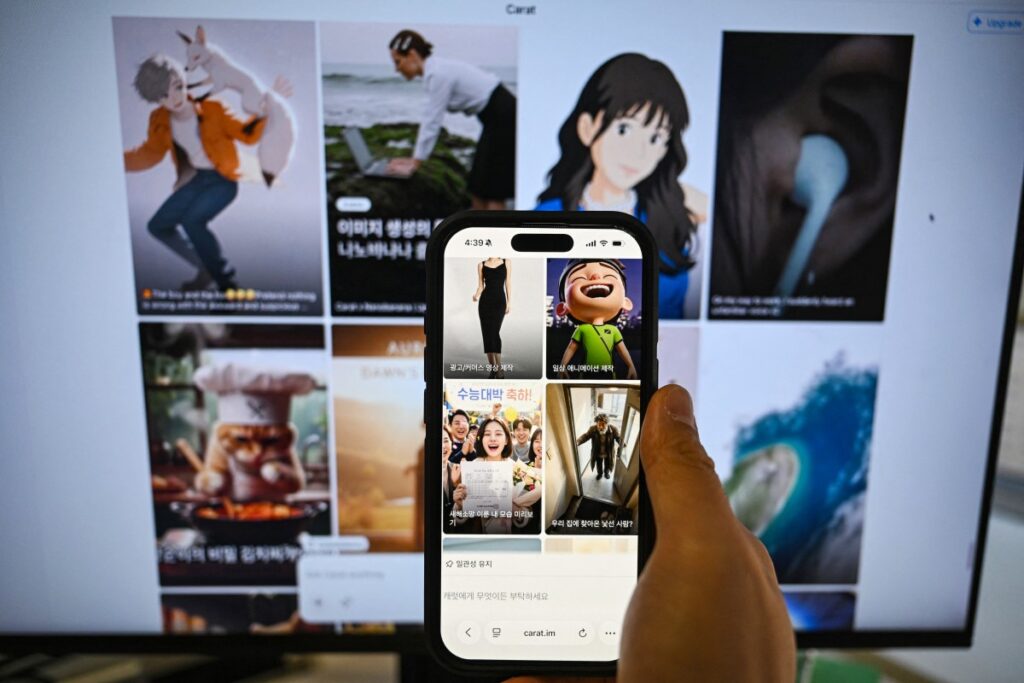
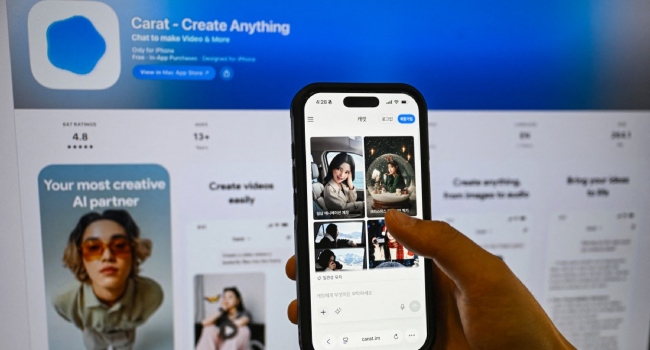
Under the new law, companies are required to notify users in advance whenever their products or services rely on generative artificial intelligence. The legislation also mandates that content generated by AI, including deepfakes that cannot easily be distinguished from real images, videos, or audio, must be clearly identified and labelled.
The AI Basic Act, which was passed in December 2024, is designed to “establish a safety- and trust-based foundation to support AI innovation,” according to a statement from the Ministry of Science and ICT.
Authorities said companies that violate the provisions of the law could face fines of up to 30 million won, equivalent to about $20,400.
South Korean media outlets described the legislation as the first comprehensive artificial intelligence regulation anywhere in the world to take full effect. The Ministry of Science and ICT, however, characterised it as the second such law globally to be enacted.
By contrast, the European Parliament has said it adopted the “world’s first rules on AI” in June 2024, but those measures are being rolled out in stages and are not expected to be fully applicable until 2027.
What you should know
South Korea’s AI Basic Act is a landmark step in global efforts to regulate artificial intelligence as its influence grows across industries and daily life.
The law focuses on transparency, accountability, and public trust, especially in response to rising concerns about generative AI and deepfakes being used for fraud, misinformation, and political manipulation. By requiring disclosure and clear labelling of AI-generated content, South Korea is positioning itself as a regulatory pioneer while still encouraging innovation.
The move may influence how other countries design their own AI laws in the coming years.