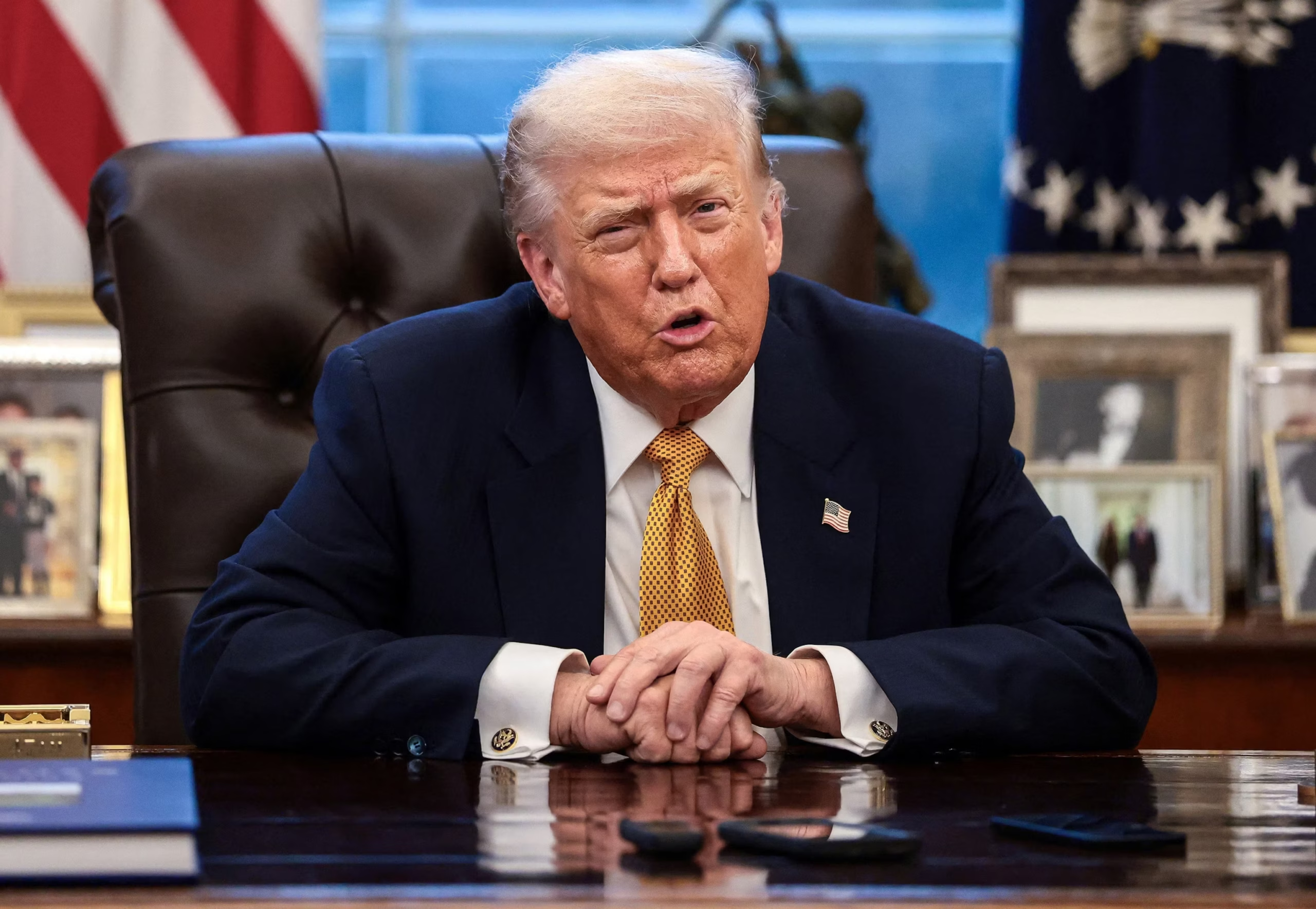
US President Donald Trump on Thursday warned that he could trigger a rarely used federal emergency law to deploy military forces domestically, after federal immigration agents were involved in violent confrontations in Minnesota that have sparked widespread protests.
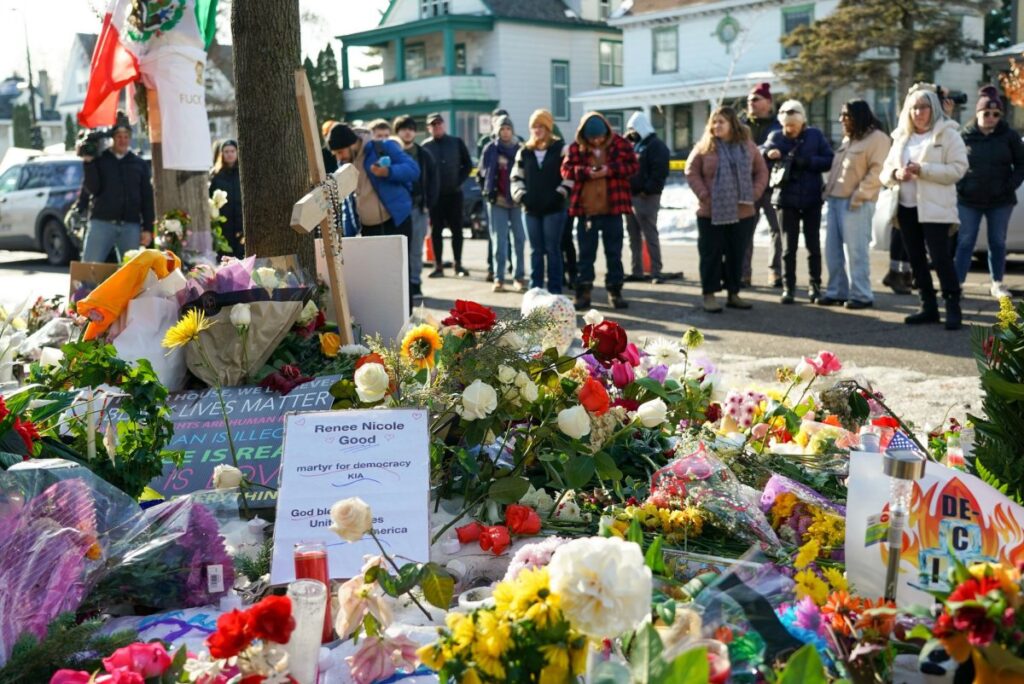
The comments came as anger and demonstrations surged in the wake of two shooting incidents involving Immigration and Customs Enforcement (ICE) officers in Minneapolis, including the fatal shooting of 37-year-old Renee Nicole Good earlier this month.
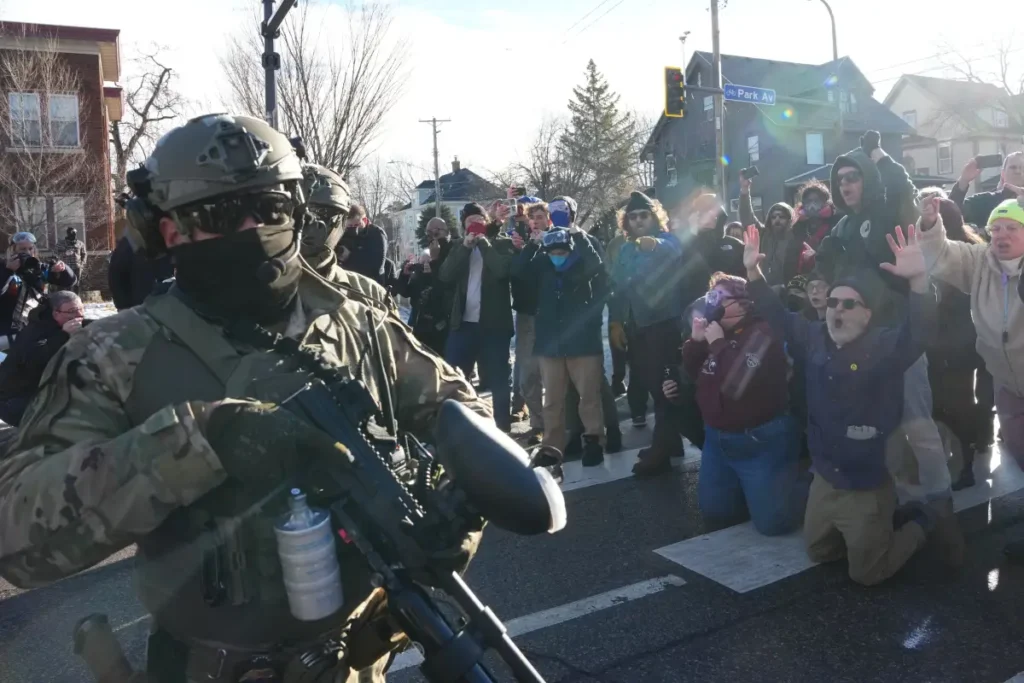
In a post on his Truth Social platform, Trump threatened to invoke the Insurrection Act, a contentious 19th-century statute that allows a US president to bypass restrictions on military involvement in domestic law enforcement if he deems it necessary to quell “armed rebellion” or “domestic violence” and enforce federal law.
Under the law, active duty forces or federalised National Guard units can be deployed to restore order without needing state consent.
“If the corrupt politicians of Minnesota don’t obey the law and stop the professional agitators and insurrectionists from attacking the Patriots of ICE, who are only trying to do their job, I will institute the INSURRECTION ACT,” Trump wrote, signalling his frustration with Minnesota’s Democratic leaders who have called for a tempered approach to federal enforcement operations.
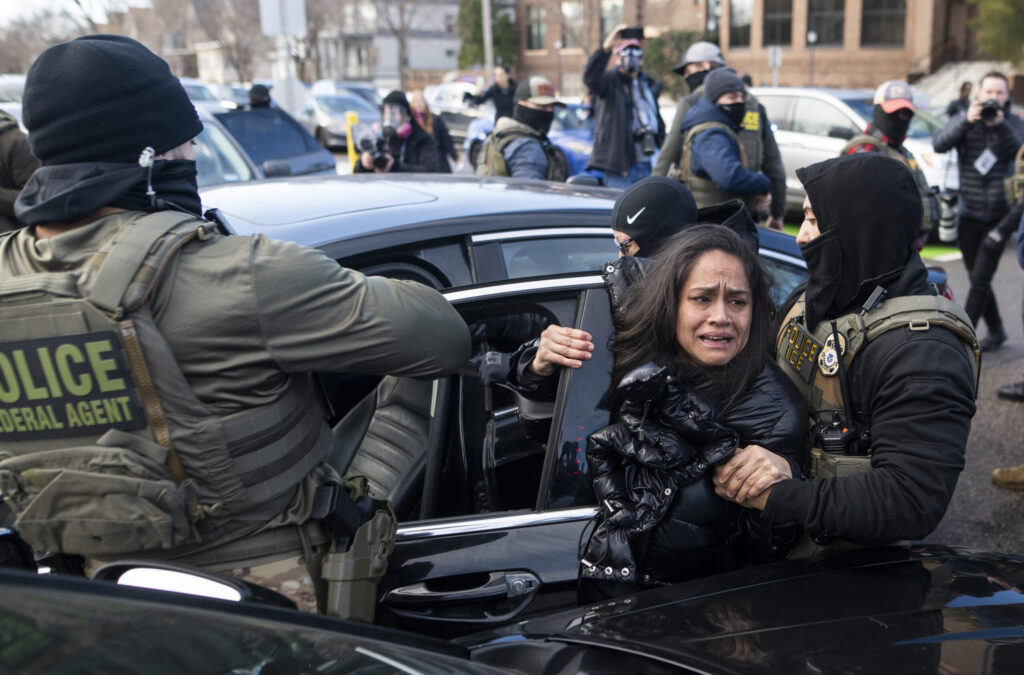
Protests in Minneapolis have intensified in recent days, with crowds denouncing federal immigration raids and aggressive tactics used by ICE agents. Demonstrators have clashed with federal officers, who have responded with crowd-control measures including tear gas and pepper balls.
Minnesota Governor Tim Walz, a Democrat, strongly condemned the actions of federal agents and called for peaceful protest. He accused the federal presence of creating chaos and urged both the public and the federal government to de-escalate tensions.
Walz highlighted violent incidents, including reports of agents “breaking windows” and detaining individuals in ways that alarmed local communities, framing the federal operation as heavy-handed.
In a related incident, Minneapolis Police Chief Brian O’Hara described how a separate ICE agent shooting occurred when an agent struggled with a suspect during an attempted arrest, firing shots that wounded a Venezuelan national. The man’s injury was not life-threatening and he was taken to a hospital, while two additional individuals were arrested.
The Insurrection Act has been invoked sparingly in American history, most recently in 1992 during the Los Angeles riots following the Rodney King verdict, after state officials requested federal assistance to restore order. Legal experts note that its use to address protest movements is highly unusual and could spark further legal and political challenges.
White House officials, including Homeland Security Secretary Kristi Noem, indicated that Trump’s warning was under serious consideration, though no formal action had been taken as of Thursday. Critics argue that the law is being cited to justify a militarised response to demonstrators who are exercising their rights to protest federal enforcement actions.
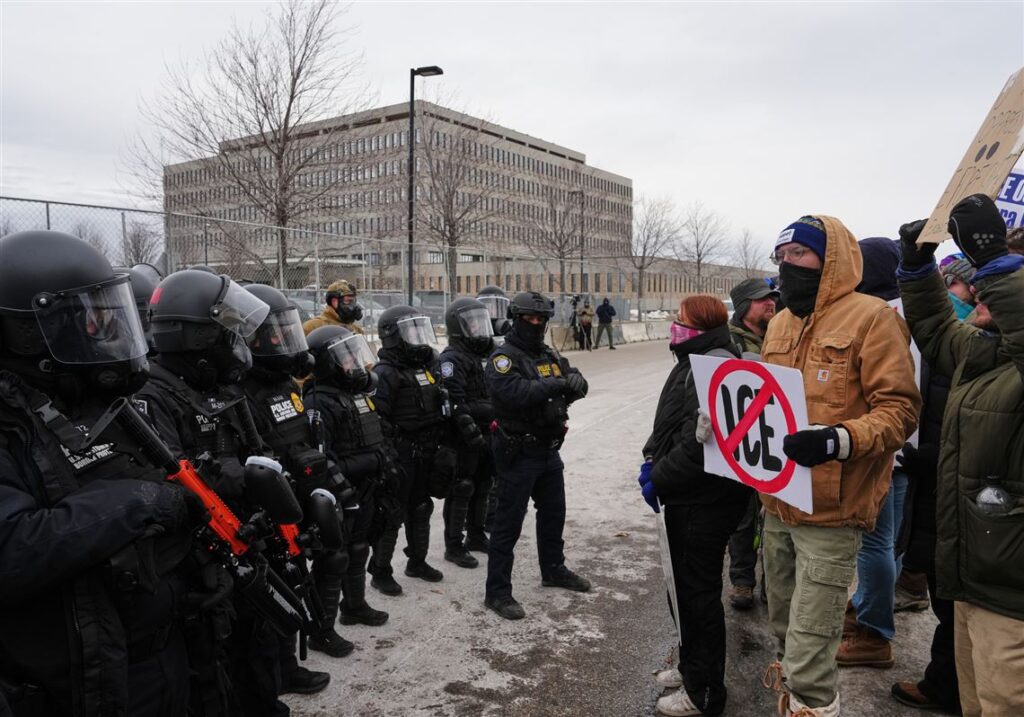
Locals and elected leaders in Minneapolis have called for ICE agents to be held accountable and for a transparent investigation into the fatal shooting that ignited the protests. Meanwhile, tensions remain high as both sides prepare for further confrontation, with many urging non-violent expression of dissent.
What you should know
The Insurrection Act is a historic US statute from 1807 that allows the president to deploy military forces in domestic situations where civil unrest, insurrection, or widespread lawlessness obstructs enforcement of federal laws.
Presidents have used the law sparingly, most recently in the early 1990s. Trump’s threat to invoke it in Minnesota comes amid turbulent protests over immigration enforcement and shootings involving ICE agents.
Supporters of Trump argue he is defending federal law enforcement; critics call the move an overreach that could escalate conflict between federal and state authorities and potentially undermine civil liberties.