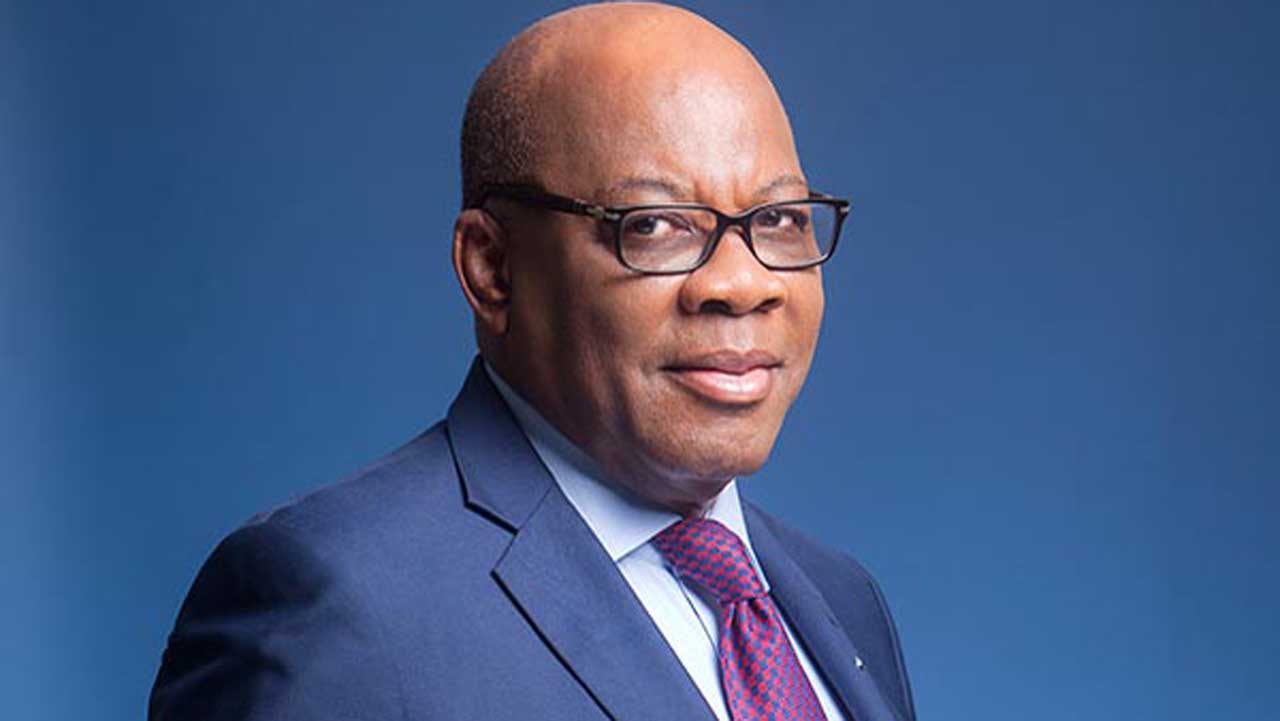
Former President of the Nigerian Bar Association (NBA), Olisa Agbakoba (SAN), has called for a sweeping reform of Nigeria’s healthcare system, describing its current state as a “national emergency” that requires urgent intervention by both the legislature and the executive.
In a press statement issued on Monday, the senior lawyer voiced deep concern over what he described as repeated and entirely avoidable deaths caused by medical negligence across hospitals in the country. He said the trend reflects a systemic failure that has gone unchecked for too long.
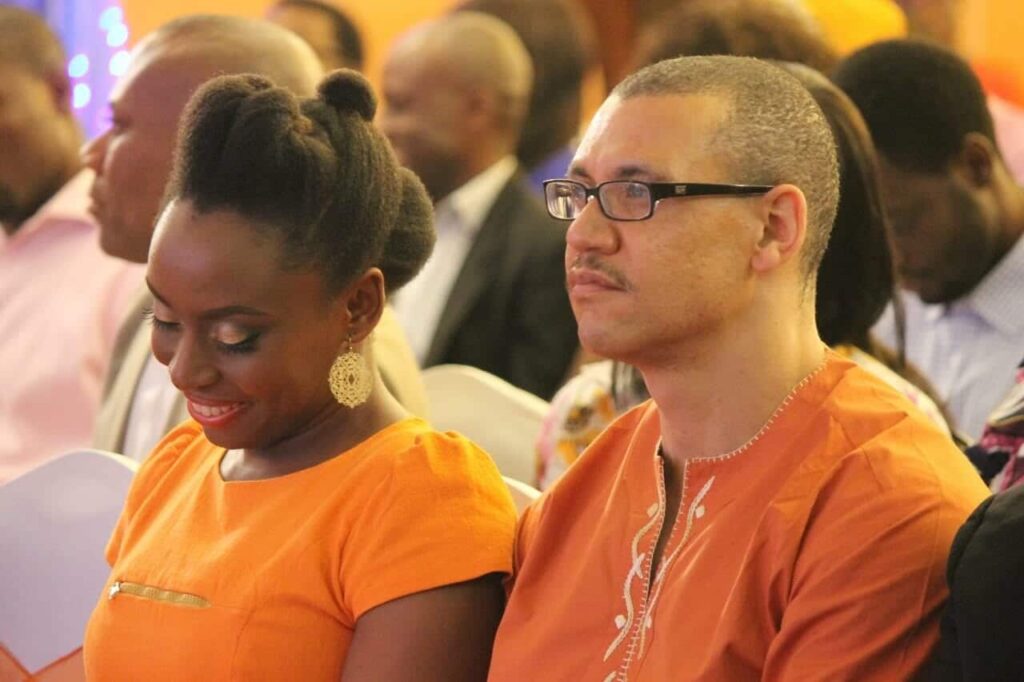
“The recent tragic loss of Nkanu Nnamdi, one of the twin sons of renowned author Chimamanda Ngozi Adichie and her husband, Dr. Ivara Esege, has once again brought this critical national crisis to the forefront of public consciousness,” Agbakoba said.
Drawing from decades of legal experience, he noted that medical malpractice has been a central focus of his professional work for over 20 years, during which he has been involved in more than 50 related cases. According to him, the death of the toddler during what should have been a routine medical procedure is emblematic of the alarming level of incompetence present in parts of Nigeria’s healthcare system.
“As my professional focus over the last 20 years has been medical malpractice, having been involved in over 50 cases, this unfortunate incident is yet another example of the unacceptable state of incompetence in some Nigerian hospitals. I am, quite honestly, not shocked that such a simple procedure at an acclaimed, reputable hospital has ended so terribly. Propofol, which was reportedly administered to Nkanu, requires exceptional care due to its potential for cardio-respiratory failure. An overdose can be fatal, and there appears to be a strong possibility of overdose in this case.”
Agbakoba praised the Lagos State Government for swiftly indicating its intention to probe the incident and also acknowledged Euracare Hospital’s willingness to cooperate with investigators. However, he warned that such probes must be genuinely independent and transparent, stressing that he has encountered cases where medical records were manipulated to shield culpable practitioners.
“I commend the Lagos State Government for its prompt commitment to investigate this matter. I equally commend the hospital, Euracare, for agreeing to cooperate with investigators. However, I must emphasise that such investigations must be genuinely independent and transparent. I have witnessed instances where medical records are altered to avoid culpability.”

He said the crisis has also affected him personally, revealing that his law firm is currently handling about 25 medical malpractice cases nationwide. He recounted personal experiences, including being misdiagnosed for a potentially serious illness and nearly losing his brother to a surgical procedure carried out by someone who falsely presented himself as a qualified surgeon.
Agbakoba referenced several tragic cases involving Nigerians, including Peju Ugboma and others who suffered severe or fatal outcomes due to negligence. These include a woman who lost both kidneys after a poorly handled surgery, a mother who died from haemorrhagic shock following childbirth due to delayed medical response, a 12-year-old child whose intestine reportedly went “missing” during treatment, a doctor jailed for setting a fracture without conducting an X-ray, and an elderly woman who died after being wrongly administered a paralysing injection during a routine hospital visit.
“These are not isolated incidents but symptoms of a systemic crisis demanding urgent intervention. My practice currently has over 20 complaints on this issue and is actively handling 25 cases.”
According to him, the root of the problem lies in the collapse of Nigeria’s legal and regulatory framework for healthcare delivery. He recalled that in earlier years, the sector operated under a strong supervisory system where Chief Medical Officers and Health Inspectors ensured compliance with standards and accountability among practitioners. He noted that the last person to hold the position of Chief Medical Officer of Nigeria was Dr. Samuel Layinka Manuwa.
Agbakoba argued that under the National Health Act and existing state health laws, this oversight structure has disappeared, leaving the sector overcentralised under the Federal Ministry of Health and allowing states to neglect their supervisory duties. He said this has created an environment where hospitals and practitioners operate with little fear of consequences.
He further criticised the current governance structure, saying Ministers and Commissioners of Health now combine policy formulation with regulatory enforcement, a situation he described as a fundamental failure of governance. He stressed that policy roles should be clearly separated from enforcement responsibilities, with independent bodies empowered to inspect facilities and ensure compliance with professional standards.
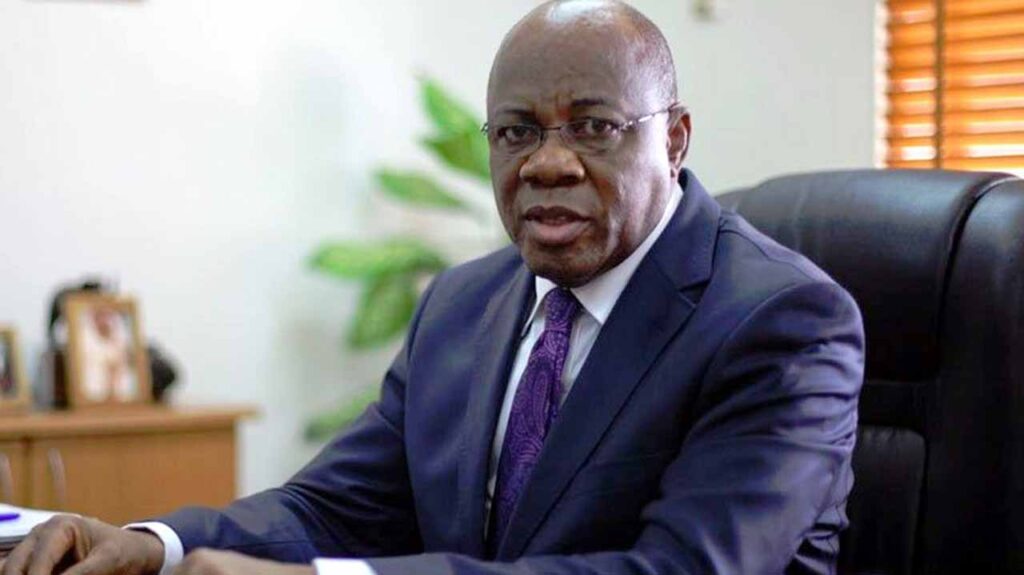
Expressing sympathy with victims and families affected by medical negligence, Agbakoba said the tragedy involving Chimamanda Adichie’s son has merely exposed a deeper crisis affecting countless Nigerians.
“I commiserate with all Nigerians who have been victims of medical negligence and with families who continue to suffer the devastating consequences of a broken healthcare regulatory system. The Chimamanda case has brought this national emergency further into public focus, but it represents only the visible tip of a much larger crisis affecting countless Nigerian families. I continue to speak out as loudly as I can that the state of medical care in Nigeria has reached a critical point, requiring emergency action.”
He concluded by insisting that the time for comprehensive reform is long overdue, warning that preventable deaths will continue unless decisive action is taken.
“We cannot continue to lose precious lives to preventable medical errors whilst the regulatory framework remains in shambles. This is a matter of national emergency that demands immediate legislative and executive action,” he stated.
What you should know
Olisa Agbakoba’s intervention highlights growing national outrage over medical negligence in Nigeria, intensified by the death of Chimamanda Ngozi Adichie’s son.
His comments point to deep regulatory failures, weak oversight, and blurred governance roles within the health sector.
With dozens of malpractice cases already in court, the call underscores rising pressure on government authorities to reform health laws, strengthen accountability mechanisms, and restore public trust in Nigeria’s healthcare system.