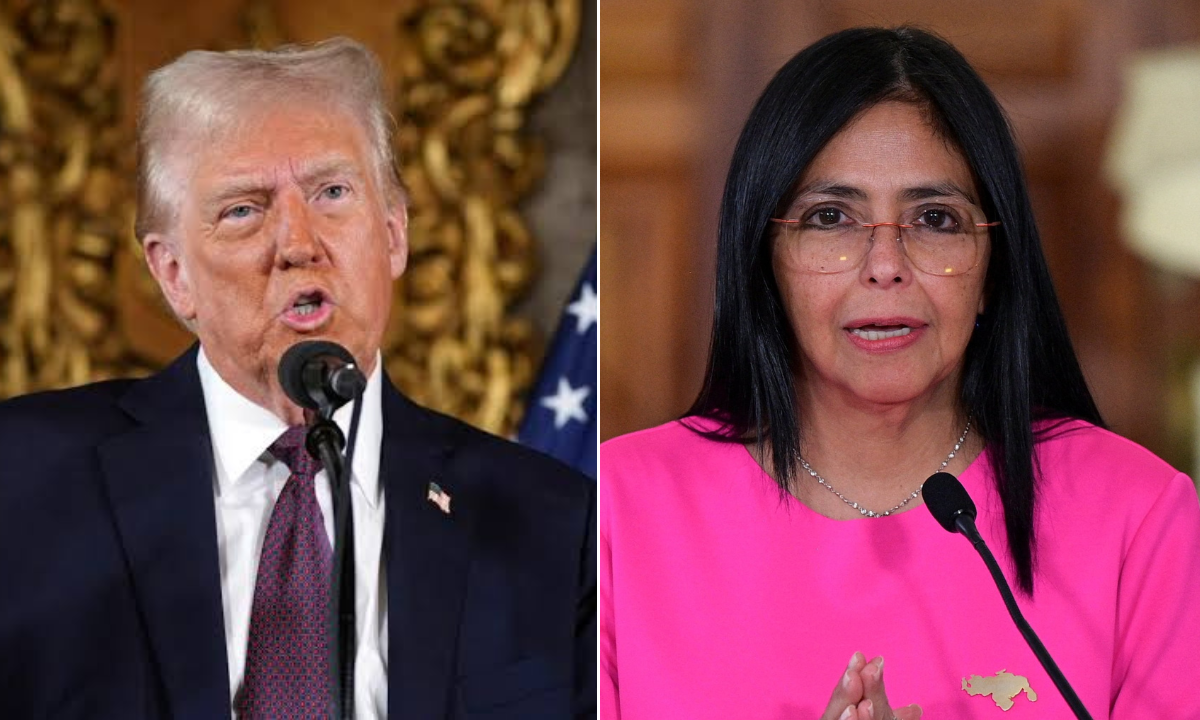
Venezuela announced on Friday that it had opened discussions with the United States on restoring diplomatic relations, just days after US forces removed Nicolas Maduro from power as president.
The move signalled growing cooperation following the arrest of the leftist leader and US President Donald Trump’s assertion that he was now “in charge” of the South American nation.
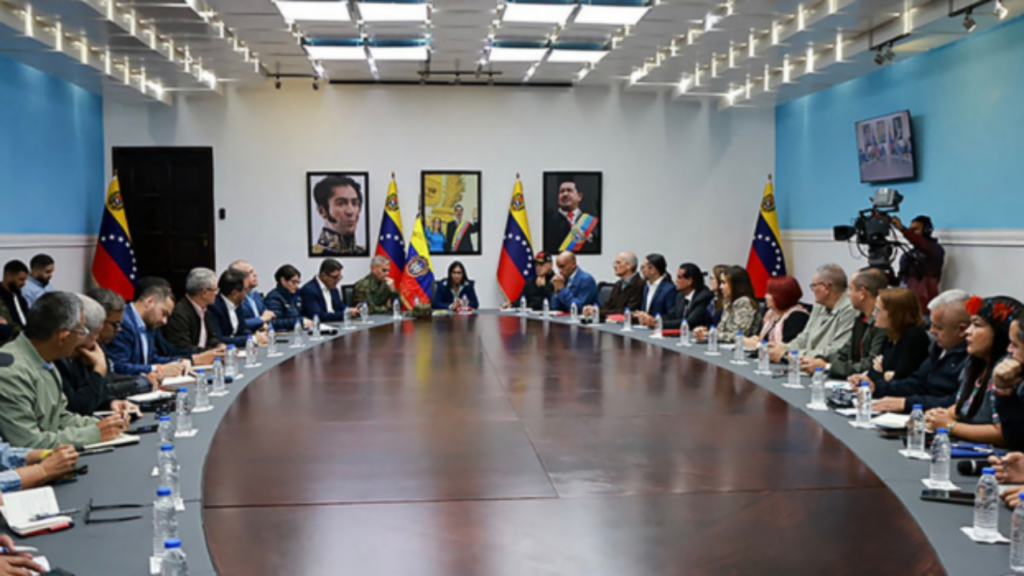
Officials disclosed that American diplomats were already in Caracas to hold talks on reopening the US embassy, while Trump, in Washington, was preparing meetings with oil executives as part of his plans to tap into Venezuela’s vast crude reserves.
Outside detention centres across the country, worried families gathered on Friday as authorities began releasing political detainees, a development Washington said was the result of its intervention.
“When I heard the news, I broke down,” said Dilsia Caro, 50, as she waited for the release of her husband, Noel Flores, who had been imprisoned for criticising Maduro.
Foreign Minister Yvan Gil said in a statement that the interim government led by Delcy Rodriguez “has decided to initiate an exploratory diplomatic process with the government of the United States of America, aimed at re-establishing diplomatic missions in both countries.”
A US official, speaking on condition of anonymity, confirmed that John McNamara, Washington’s top diplomat in neighbouring Colombia, alongside other officials, “traveled to Caracas to conduct an initial assessment for a potential phased resumption of operations.”
Venezuela also said it would respond in kind by dispatching a delegation to Washington.
Trump Signals Oil Push and Ends Planned Attacks
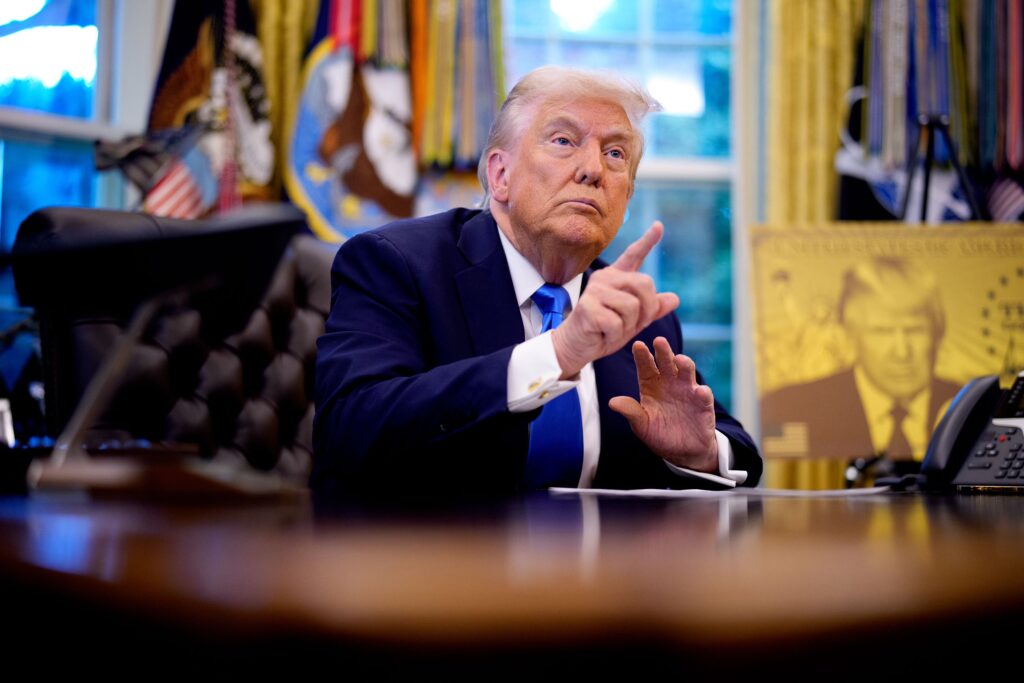
Earlier on Friday, Trump said he had shelved a second round of military strikes against Venezuela after receiving assurances of cooperation from the country’s new leadership.
The US president had previously hinted at further military action, citing Venezuela’s possession of the world’s largest proven oil reserves.
“Venezuela is releasing large numbers of political prisoners as a sign of ‘Seeking Peace,’” Trump wrote on his Truth Social platform.
“Because of this cooperation, I have cancelled the previously expected second Wave of Attacks.”
The United States also revealed on Friday that it had seized another tanker near Venezuelan waters as part of its enforcement of an oil blockade.
Trump claimed that oil firms had committed $100 billion in investments to rehabilitate Venezuela’s oil sector, which has deteriorated after years of sanctions and mismanagement.
He had earlier outlined a plan for the United States to sell between 30 million and 50 million barrels of Venezuelan oil, with the proceeds to be used at his discretion, while assuring that any funds sent to Caracas would only be spent on US-made goods.
Political Prisoners Freed as Talks Begin
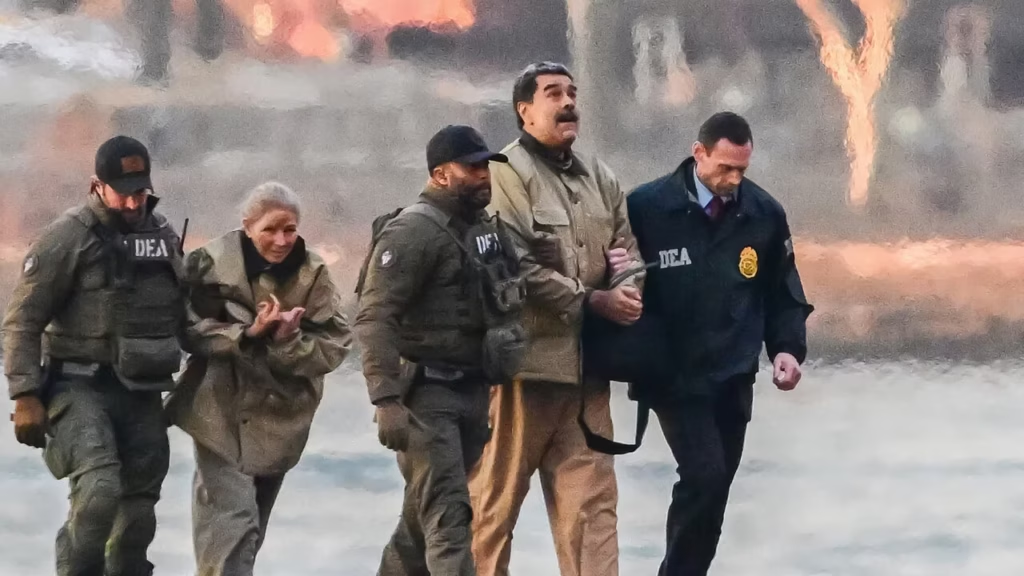
Authorities in Venezuela began freeing detainees on Thursday, marking the first such move since US forces detained Maduro during a deadly January 3 operation.
Among those released was former opposition presidential candidate Enrique Marquez, who had challenged Maduro in the disputed 2024 election.
Jorge Rodriguez, brother to interim leader Delcy Rodriguez and speaker of parliament, said “a large number of Venezuelan and foreign nationals” were being freed immediately in the interest of “peaceful coexistence.”
Although Washington had long questioned the legitimacy of Maduro’s rule, Trump previously downplayed democracy as a justification for the military action.
However, he confirmed that he would meet next week with opposition leader Maria Corina Machado, whom he had earlier dismissed as a “very nice woman” lacking the “respect” to govern.
“I understand she’s coming in next week sometime, and I look forward to saying hello to her,” Trump told Fox News.
Exiled opposition figure Edmundo Gonzalez Urrutia, who was awaiting news of his detained son-in-law on Friday, insisted that any democratic transition must acknowledge his claim to victory in the 2024 election, which Maduro was officially declared to have won amid widespread allegations of fraud.
Anger and Protests Erupt in Caracas
Maduro was captured in a special forces operation backed by airstrikes, an assault Caracas authorities say killed 100 people.
US troops transferred Maduro and his wife, Cilia Flores, to New York to face drug trafficking charges.
Despite pledging cooperation with Washington, Delcy Rodriguez said on Thursday that Venezuela was “not subordinate or subjugated.”
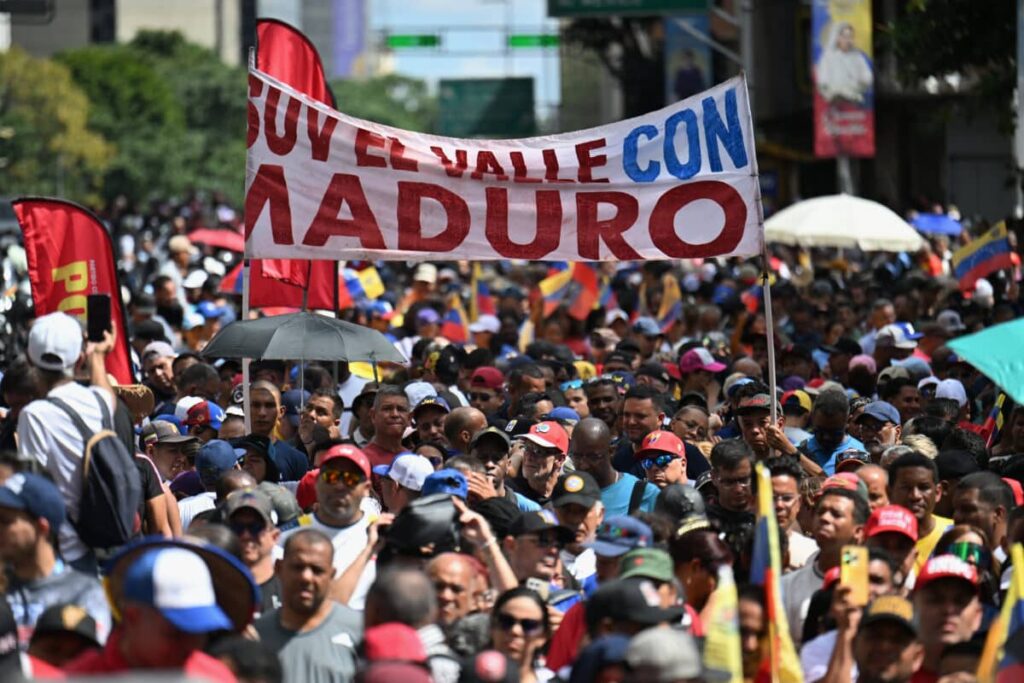
In Caracas, protesters once again filled the streets on Friday, demanding Maduro’s freedom in what has become a series of daily demonstrations.
“We don’t have to give one little drop of oil to Trump after all that he has done to us,” said Josefina Castro, 70, a civil activist.
“Our Venezuelan brothers died (in the attack), and that hurts.”
What you should know
The sudden diplomatic engagement between Venezuela and the United States follows a dramatic power shift triggered by US military action that removed Nicolas Maduro from office.
While Washington frames the move as a step toward stability, oil access, and the release of political prisoners, critics see it as a calculated effort to secure Venezuela’s vast energy resources. The interim government’s willingness to reopen talks highlights the fragile balance between cooperation and sovereignty, as public protests reveal deep divisions at home.
How these negotiations unfold could redefine Venezuela’s political future and its long-strained relationship with the United States.