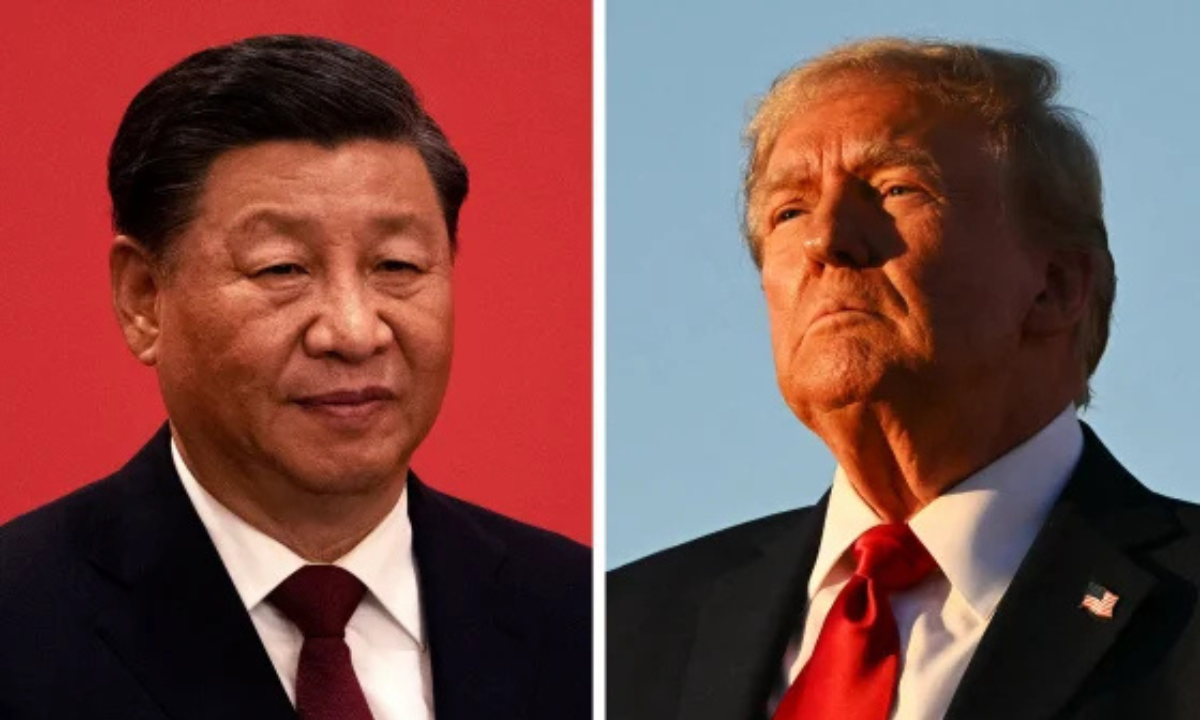
China on Wednesday issued a sharp rebuke of US President Donald Trump’s announced intention to intervene in Venezuela’s oil sector following the controversial US military operation in the South American country.
Beijing’s Foreign Ministry described the American actions as unjustified interference that tramples on Venezuela’s sovereignty and breaches core principles of international law.
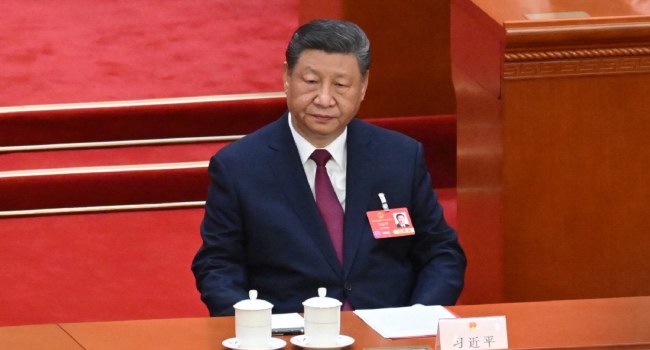
Chinese Foreign Ministry spokeswoman Mao Ning told reporters that Washington’s “outrageous use of force against Venezuela” coupled with demands that Caracas manage its natural resources according to an “America First” agenda amounted to harassment and coercion. She argued that such moves seriously violate international legal norms and damage the rights of the Venezuelan people.
Mao emphasized that Venezuela retains full sovereign control over its oil and other mineral resources, and that agreements between Caracas and foreign partners, including China, are legally binding and protected under international law. She insisted that legitimate interests of China and other nations with ties to Venezuela must be respected and safeguarded.
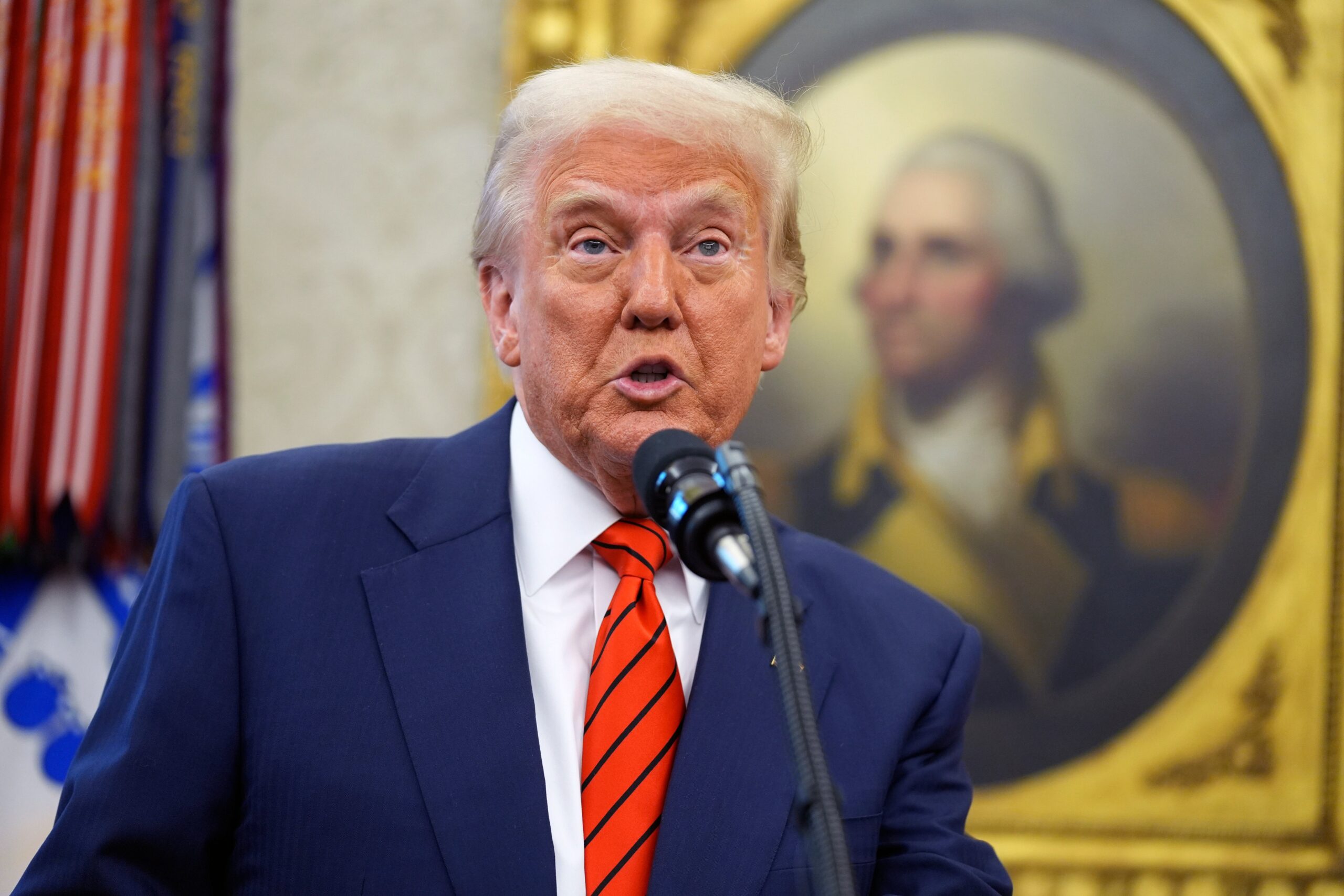
The criticism follows President Trump’s announcement on his Truth Social platform that Venezuela’s interim government would transfer between 30 million and 50 million barrels of sanctioned oil to the United States, with proceeds controlled by Washington.

Trump framed the plan as benefiting both Venezuelans and Americans, and US officials have signalled intent to revitalise Venezuela’s oil production through partnerships with major American energy companies.
China underscored that demands for exclusive US partnership in the Venezuelan oil industry, reportedly including pressure on Caracas to sever energy ties with countries such as China, Russia, Iran and Cuba, represent a form of “bullying” that undermines Venezuela’s freedom to pursue independent economic relations. Beijing also reiterated that cooperation with Venezuela is rooted in mutual respect between sovereign states, and that third-party pressures should not impede such cooperation.
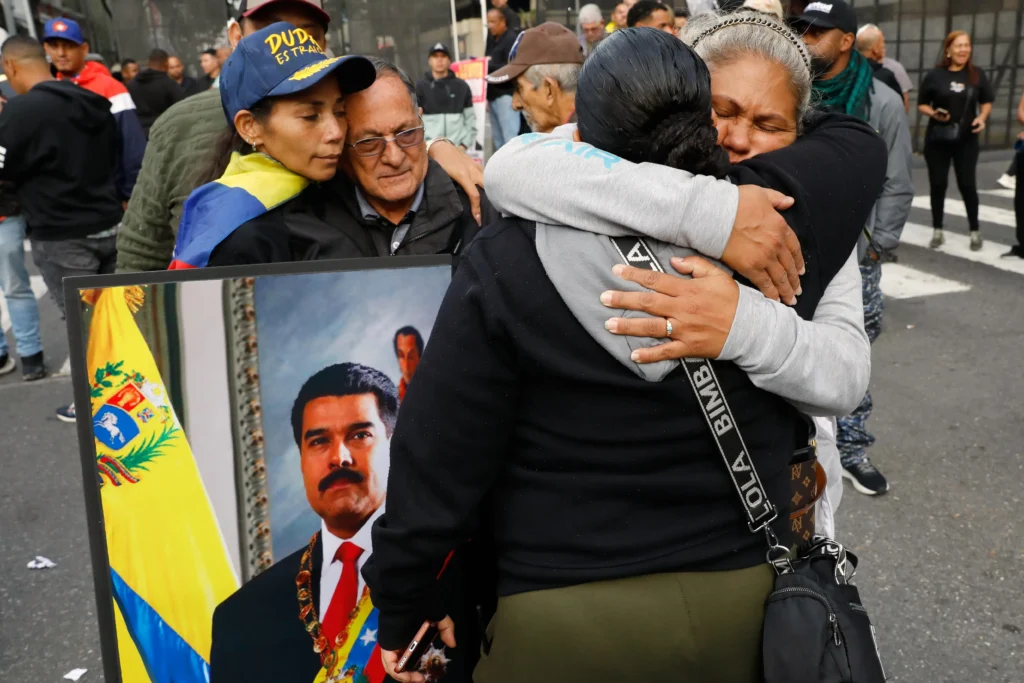
Beijing’s opposition aligns with broader international criticism of the US operation in Venezuela, which included the dramatic seizure of President Nicolás Maduro and his wife by US forces.
Many countries and international bodies have raised concerns that the intervention sets a troubling precedent and could destabilise geopolitical norms around sovereignty and resource management.
What you should know
China’s response highlights the geopolitical tensions triggered by the US move to control Venezuelan oil resources.
Beijing views the actions as a direct challenge to the principle of sovereign control over natural resources and a threat to its strategic interests in Venezuela, where it has longstanding economic ties. By framing the US demands as illegal “bullying,” China signals its willingness to contest unilateral actions that it says violate international law.
The issue underscores wider friction between major powers over influence in Latin America and control of energy assets in a shifting global landscape.