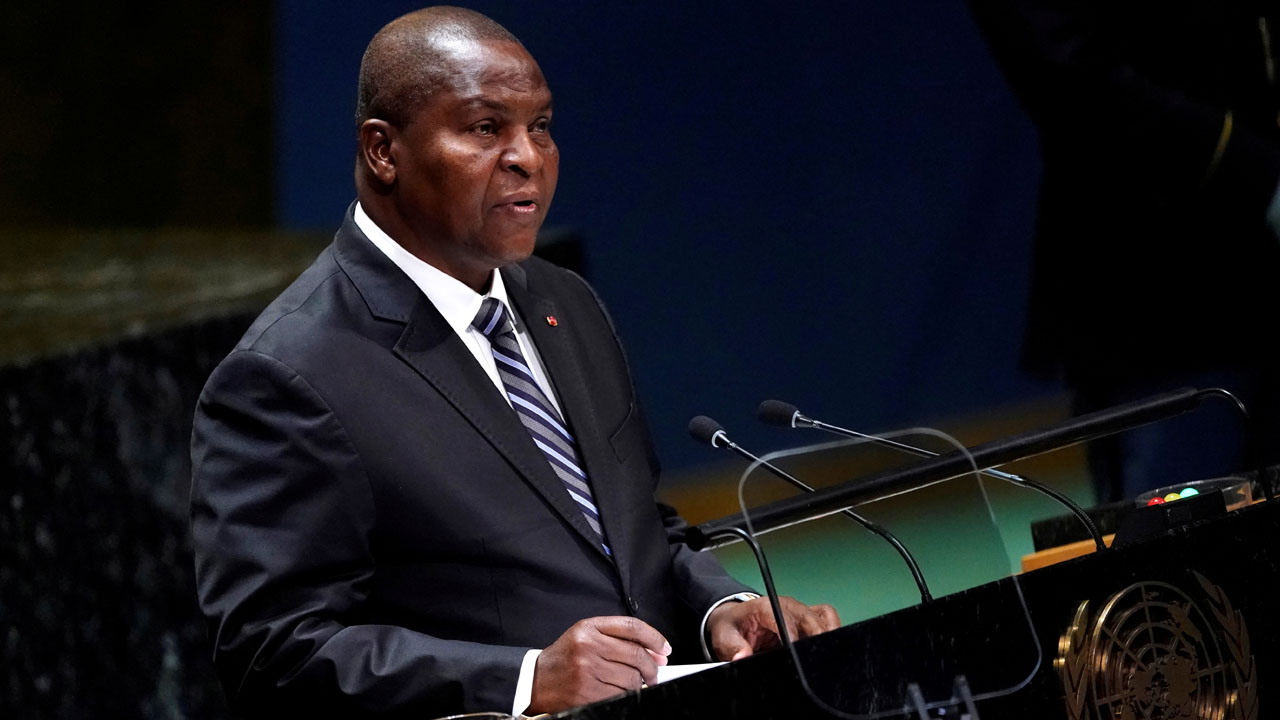
President Faustin-Archange Touadera has been returned as leader of the Central African Republic following provisional election results released Tuesday by the country’s electoral authority.
The 68-year-old incumbent, who had been widely tipped to secure another mandate, campaigned on his record of restoring a measure of calm to a country scarred by years of instability and conflict.
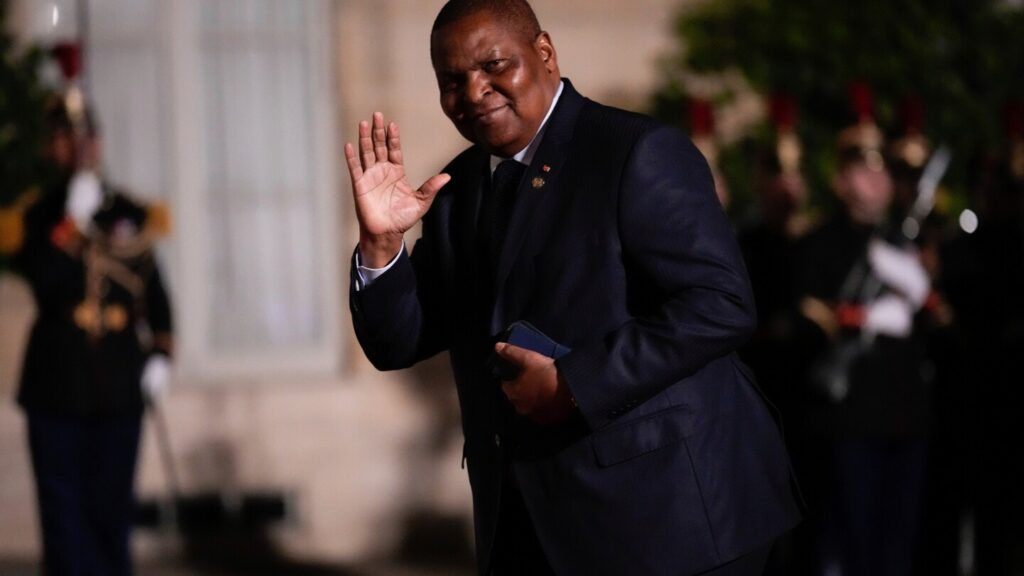
The National Authority of Elections said Touadera secured more than 76 percent of the votes cast, placing him well ahead of his closest challenger, Anicet-Georges Dologuele, who finished second with 15 percent.
Henri-Marie Dondra placed third after polling three percent. The December 28 vote also included elections for national, municipal and local legislative offices, with voter participation estimated at about 52 percent.
Final results are expected to be confirmed in mid-January once any legal challenges have been reviewed. The election followed the adoption of a new constitution in 2023, which cleared the way for Touadera to seek a third term and placed him in a strong position among seven candidates.
Sections of the opposition had urged supporters to stay away from the polls, denouncing the process as illegitimate and lacking meaningful political dialogue. Dologuele had earlier declared himself the winner, alleging widespread irregularities.
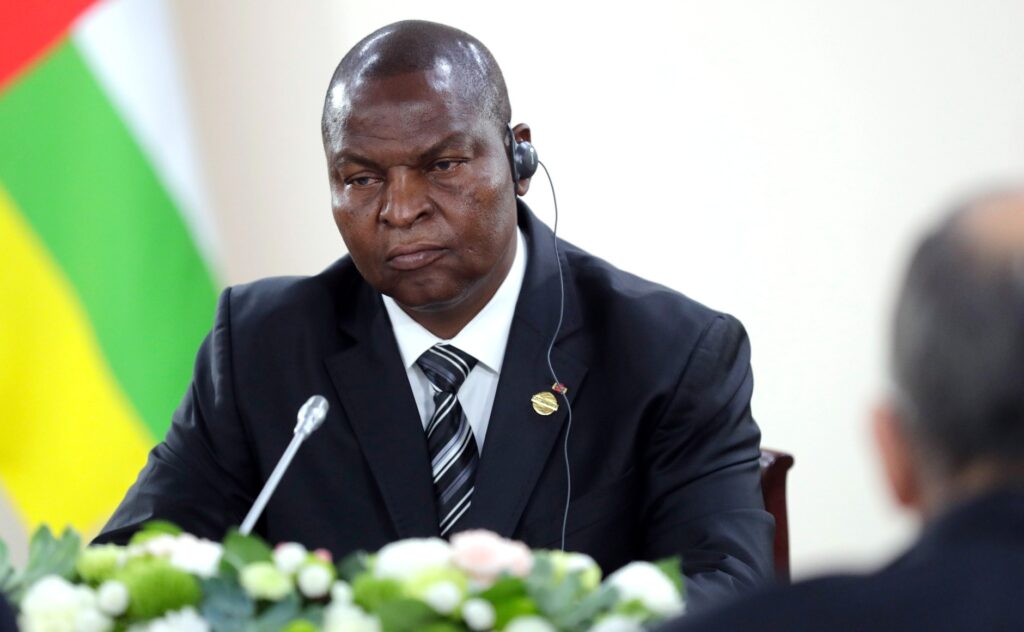
A spokesperson for Touadera rejected those claims as “false” and warned that such statements could trigger “unrest”. Dondra also called for the cancellation of the election results.
Despite the disputes, observers from the African Union said the polls were conducted peacefully, noting the absence of large-scale violence during voting.
Throughout the campaign, Touadera portrayed himself as a guarantor of stability in one of Africa’s poorest nations, which has endured repeated civil wars, coups and periods of authoritarian rule since independence from France in 1960. While insecurity has declined since his first election in 2016, clashes between armed groups and government forces still occur in parts of the country.
The president highlighted achievements such as improved security, new paved roads, public lighting along major routes and upgraded drainage systems in the capital. However, critics have labelled him “President Wagner”, citing his close ties with Moscow and reliance on Russian paramilitary forces to bolster national security.
In 2019, Touadera signed a controversial peace agreement with 14 armed factions involved in the civil war, integrating several former warlords into government in exchange for commitments to disarm.
He has also pointed to progress funded largely by international partners, including the rebuilding of the national army, free healthcare for women and young children and increased spending on higher education.
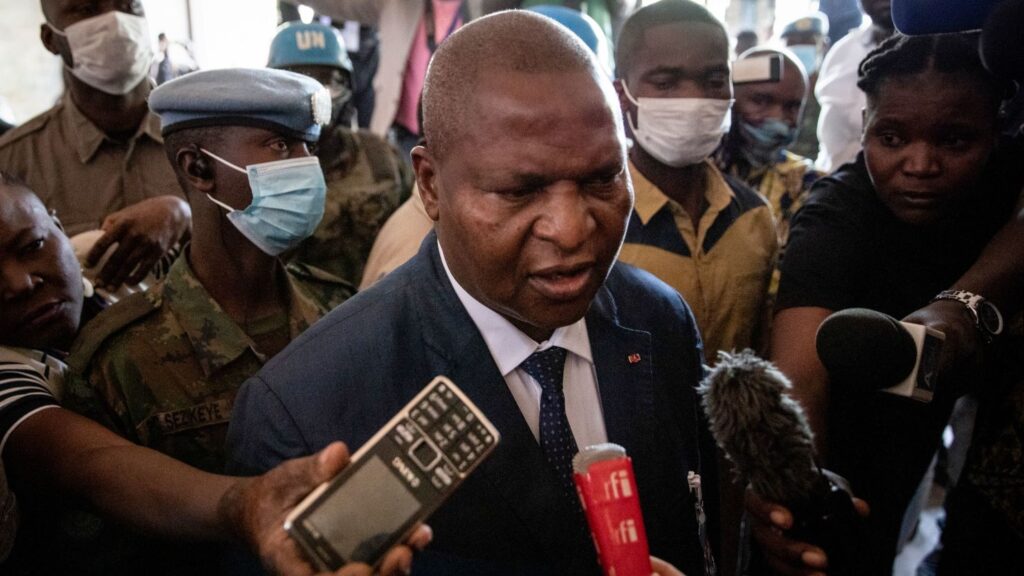
Nevertheless, opposition figures accused authorities of undermining fair competition. Both Dologuele and Dondra were reportedly prevented from travelling to rural areas to campaign and were forced to rely on local walkabouts and small-scale events. They also faced threats of disqualification over allegations of holding foreign citizenship.
Despite these tensions, Touadera now begins another term in office as the country continues to grapple with deep economic hardship. About 71 percent of Central Africans live below the poverty line, facing inadequate basic services, poor transport networks, high unemployment, limited access to education and training, and a rising cost of living.
What you should know
The re-election of Faustin-Archange Touadera marks a significant political moment for the Central African Republic, coming after constitutional changes that extended presidential term limits.
While authorities and international observers describe the vote as peaceful, opposition leaders dispute the process and question its credibility. Touadera’s leadership has brought relative stability compared to previous years, but poverty, insecurity and dependence on foreign support remain major challenges.
How his third term addresses political inclusion, economic hardship and long-term security will shape the country’s future direction.