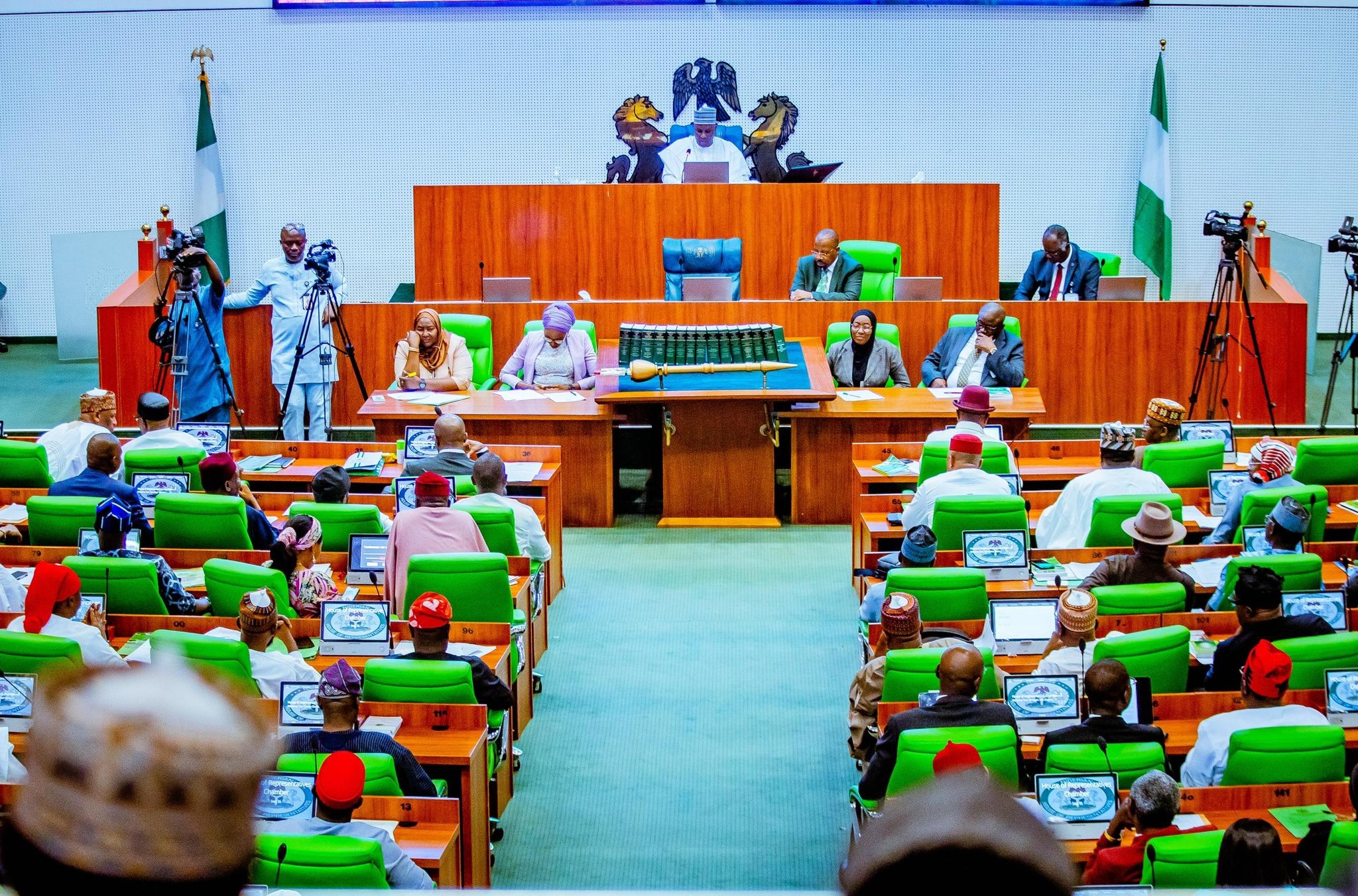
The House of Representatives has made public the certified copies of the four tax reform Acts recently signed into law by President Bola Tinubu, following growing public concern over alleged discrepancies and the circulation of unauthorised versions of the legislation.
The development was disclosed in a statement on Saturday by the spokesperson of the House, Akin Rotimi. According to him, the Speaker of the House, Tajudeen Abbas, ordered the immediate release of the Certified True Copies of the Acts, including the endorsement and assent pages signed by the president, to ensure public access for record purposes, verification and reference.
Rotimi explained that the decision, taken in agreement with Senate President Godswill Akpabio, followed allegations that versions of the tax laws in circulation were not the same as those passed by the National Assembly and assented to by the president.
The issue was first raised during plenary by Abdulsamad Dasuki (PDP, Sokoto), who alerted lawmakers to what he described as inconsistencies between the Bills approved by parliament and the versions later gazetted and released by the executive.
Dasuki cautioned that if the discrepancies were not addressed, they could erode legislative credibility and weaken public trust in the law-making process. His remarks sparked intense debate within and beyond the National Assembly, with legal practitioners, tax professionals and civil society groups calling for clarity and, in some cases, a halt to the implementation of the laws.
In response, Tajudeen set up a seven-member ad hoc committee chaired by Aliyu Betara, with Idris Wase, Sada Soli, Adedeji Faleke, Igariwey Iduma, Fred Agbedi and Babajimi Benson as members. The committee was mandated to investigate the circumstances surrounding the alleged alterations, determine how unauthorised versions entered public circulation and recommend measures to prevent a repeat.
Alongside the investigation, the Speaker directed an internal verification of the Acts and approved the public release of the certified versions to remove doubts, restore clarity and safeguard the integrity of the legislative record.
The four laws released are the Nigeria Tax Act, 2025; the Nigeria Tax Administration Act, 2025; the National Revenue Service (Establishment) Act, 2025; and the Joint Revenue Board (Establishment) Act, 2025.
The House described them as central to Nigeria’s modern tax reform agenda, designed to update revenue administration, boost compliance, cut inefficiencies, remove duplication and strengthen fiscal coordination across all levels of government.
Rotimi noted that Tajudeen provided firm leadership throughout the reform process, from stakeholder engagement and committee reviews to clause-by-clause consideration and extensive plenary debates, ensuring the reforms were inclusive, evidence-driven and aligned with the country’s fiscal realities.

Reassuring Nigerians, he said, “The National Assembly is an institution built on records, procedure, and institutional memory. Every Bill, every amendment, and every Act follows a traceable constitutional and parliamentary pathway.” He stressed that once a law is passed and assented to, its integrity is maintained through certification and legislative custody, leaving no ambiguity about what constitutes the law.
He further emphasised that the certified copies released by the National Assembly are the only authentic and authoritative versions of the four tax Acts, urging Nigerians to ignore any other documents in circulation. “Members of the public, institutions, professionals, and stakeholders are therefore advised to disregard and discountenance any other documents or versions in circulation that are not certified by the National Assembly, as such materials do not form part of the official legislative record,” the statement said.
What you should know
The release of the certified tax reform laws follows allegations that unauthorised and altered versions of the Acts were circulating publicly.
Lawmakers say the move is aimed at restoring public confidence, protecting legislative integrity and ensuring Nigerians rely only on verified legal documents. A special House committee is already investigating how the discrepancies emerged and how to prevent similar incidents.
The four laws are key to Nigeria’s tax reform drive and are expected to shape revenue administration and fiscal coordination nationwide.