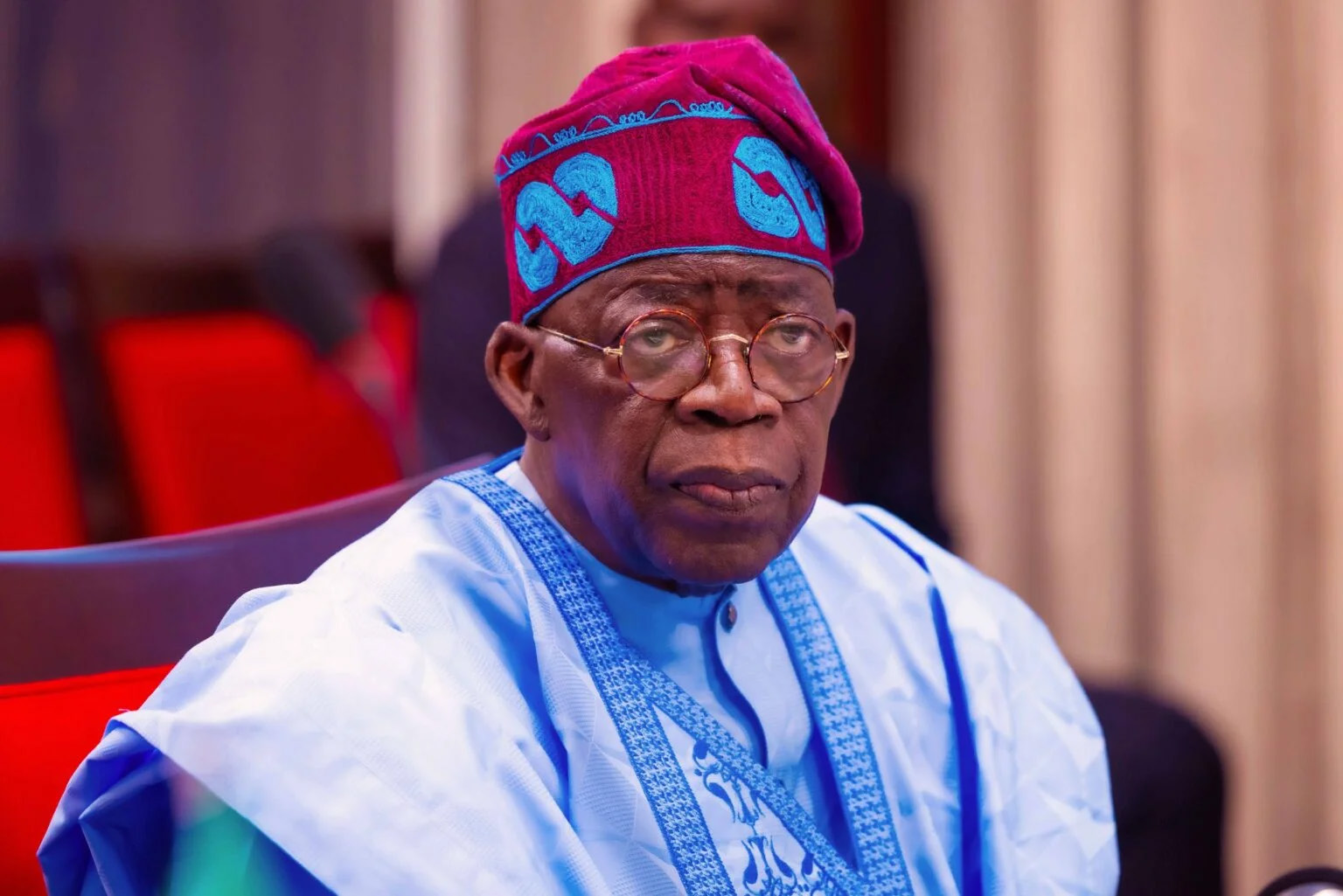
President Bola Ahmed Tinubu has delivered an optimistic assessment of Nigeria’s economic trajectory, promising Nigerians that inflation will continue its downward trend in 2026 as his administration doubles down on fiscal and monetary reforms that showed measurable success in the previous year.
Speaking in his New Year’s address on Wednesday, January 1, 2026, the President painted a picture of an economy that has weathered significant global headwinds to achieve what he described as a “strong economic note” at the close of 2025. The cornerstone of this achievement, according to Tinubu, is the steady decline in inflation, which fell below the government’s 15 percent target by year-end.
“Inflation declined steadily and reached below 15 percent, in line with our target,” President Tinubu declared. “In 2026, we are determined to reduce inflation further and ensure that the benefits of reform reach every Nigerian household.”
The President’s claims are backed by recent data from the National Bureau of Statistics, which showed headline inflation moderating to 14.45 percent in November 2025—a notable drop from the 16.05 percent recorded in October. This represents a significant turnaround for an economy that has grappled with persistent price pressures in recent years, driven by factors including exchange rate volatility, fuel subsidy removal, and supply chain disruptions.
What makes the achievement particularly noteworthy, according to economic analysts, is that the inflation decline occurred alongside sustained economic expansion. President Tinubu revealed that Nigeria recorded robust GDP growth in every quarter of 2025, with annualized growth expected to exceed four percent for the full year—a performance that suggests the administration has managed to balance price stability with economic vitality.
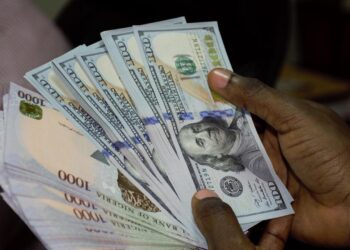
A key pillar of the government’s economic strategy has been the rebuilding of Nigeria’s foreign exchange reserves, which President Tinubu said now stand at $45.4 billion as of December 29, 2025. The president characterized this reserve position as “a substantial buffer against external shocks to the naira,” adding that the figure is expected to improve further in 2026.
This reserve accumulation has contributed to greater exchange rate stability—one of several macroeconomic indicators the president cited as evidence of improving fundamentals. Trade surpluses have also been recorded, reflecting stronger export performance and more disciplined import management.
Looking ahead to 2026, President Tinubu identified tax reform as a critical area of focus, describing the coming year as “a critical phase” in implementing changes aimed at creating what he called “a fair and competitive fiscal system” capable of sustainably raising revenue for infrastructure and social investments.
The president addressed the long-standing issue of multiple taxation—a persistent complaint among Nigerian businesses and citizens—announcing that efforts are underway to harmonize taxes across federal, state, and local government levels. He commended states that have already adopted harmonized tax laws in alignment with the national reform agenda.
“As inflation and interest rates moderate, we expect increased fiscal space for productive investment in infrastructure and human capital development,” Tinubu explained, linking fiscal discipline with the creation of room for growth-enhancing expenditure.
The president did not shy away from acknowledging that the economic reforms undertaken in 2025 were “difficult” for many Nigerians. The removal of fuel subsidies, foreign exchange market liberalization, and other structural adjustments imposed real costs on households and businesses, sparking criticism and public discontent in some quarters.
However, Tinubu maintained that these measures were “necessary” and insisted they are now “beginning to yield measurable results, particularly in inflation control and macroeconomic stability.” His message to Nigerians was one of patience and perseverance, calling for “unity of purpose” as the country navigates what he positioned as a transitional phase toward more sustainable prosperity.
“With patience, discipline, and unity of purpose, Nigeria will emerge in 2026 stronger and better positioned for sustained growth,” the president declared.
Despite the optimistic tone, significant challenges persist. While inflation has declined from its peak, prices remain elevated compared to historical norms, and many Nigerian households continue to struggle with the rising cost of living. Food inflation, in particular, remains a concern, driven by insecurity in farming communities, transportation costs, and seasonal factors.
Moreover, interest rates remain high as the Central Bank of Nigeria maintains its tight monetary stance to consolidate inflation gains—a policy that has constrained credit availability and raised borrowing costs for businesses.
The success of the administration’s 2026 agenda will depend on its ability to maintain macroeconomic stability while delivering tangible improvements in living standards for ordinary Nigerians—a balancing act that will test both policy execution and political will in the months ahead.
As Nigeria enters 2026, all eyes will be on whether President Tinubu’s administration can deliver on its promise to push inflation lower while ensuring that the benefits of economic reform are felt beyond statistical indicators, reaching the households and communities where they matter most.
WHAT YOU SHOULD KNOW
President Tinubu’s New Year message centers on three critical promises for 2026: Nigeria’s inflation, which dropped to 14.45% in November 2025 from over 16% in October, will decline further; foreign reserves now stand at a healthy $45.4 billion, providing currency stability; and sweeping tax reforms will reduce the burden of multiple taxation while creating fiscal space for infrastructure investment.
The bottom line: After a difficult year of economic reforms, the government claims its policies are working—inflation is falling, GDP growth exceeded 4%, and macroeconomic indicators are improving.
However, the real test in 2026 will be whether these statistical gains translate into tangible relief for ordinary Nigerian households still grappling with high living costs. The administration is asking citizens for continued patience, promising that the pain of reform will soon give way to sustainable prosperity.