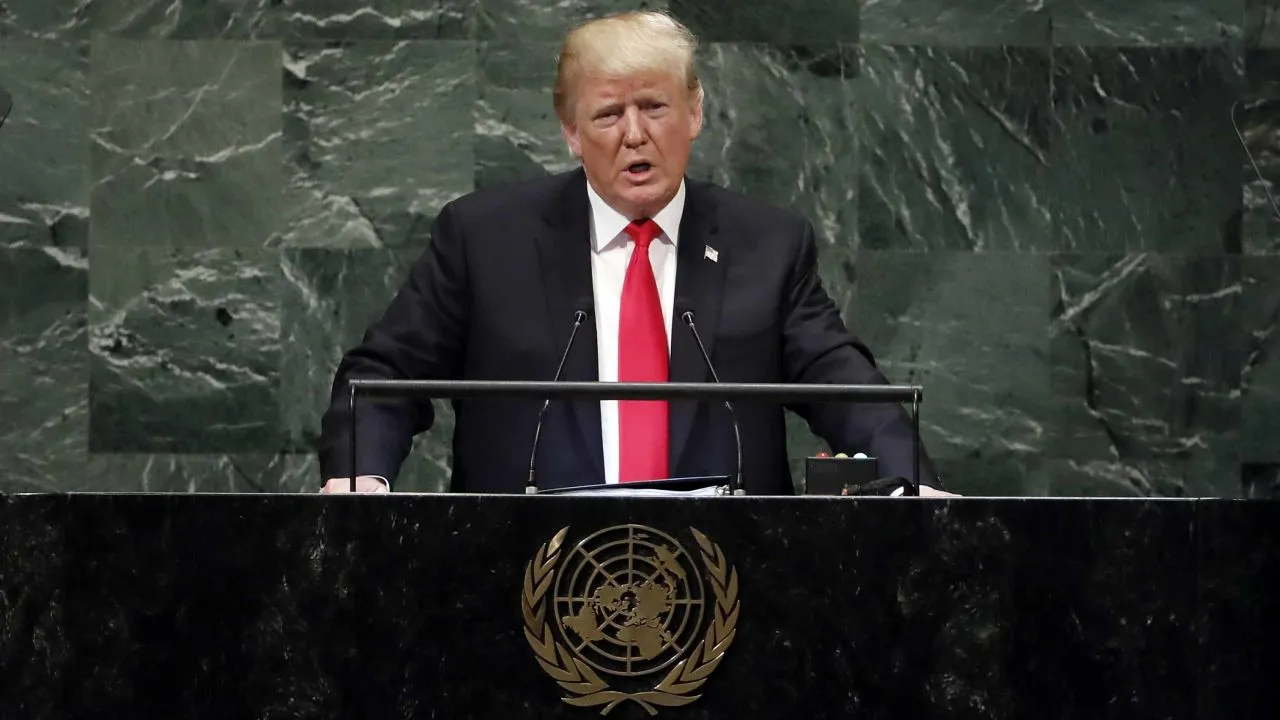
Washington is set to pledge $2 billion for United Nations humanitarian assistance in 2026, a State Department source confirmed to AFP, a figure that marks a steep reduction from the levels provided in recent years.
United Nations data show that while the United States remains the world’s largest humanitarian aid donor, its contributions dropped sharply in 2025 to $2.7 billion. This compares with about $11 billion in both 2023 and 2024 and more than $14 billion in 2022.
The new pledge is expected to be formally announced later on Monday in Geneva.
Earlier this month, UN humanitarian chief Tom Fletcher launched the organization’s Global Humanitarian Appeal for 2026, seeking $23 billion to support 87 million of the world’s most vulnerable people. The appeal places strong emphasis on severe crises in Gaza, Ukraine, Sudan, Haiti, and Myanmar.
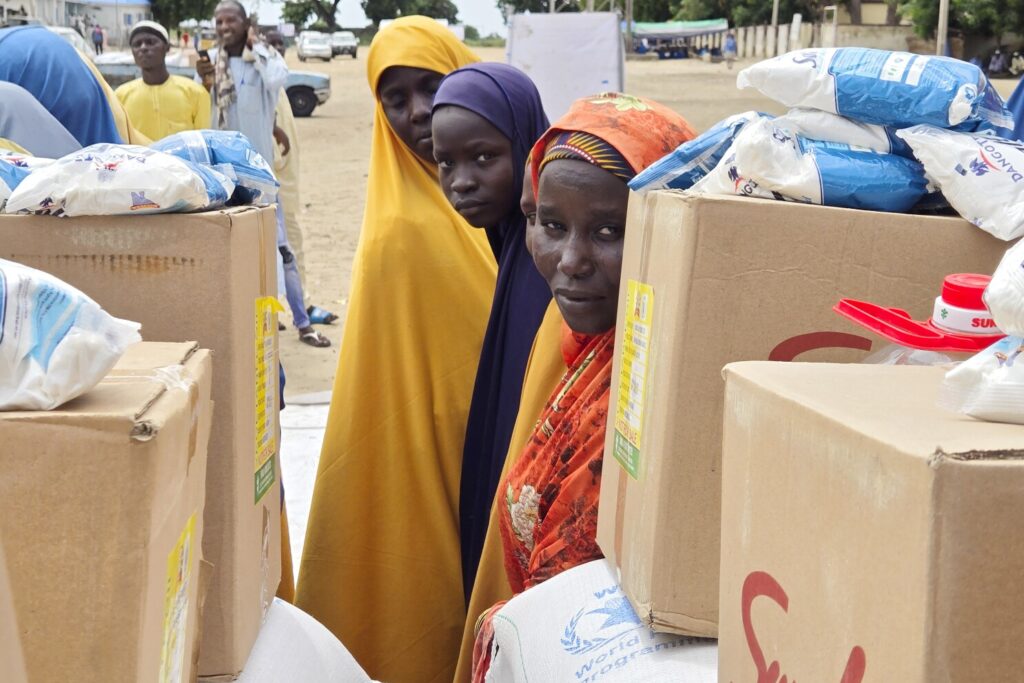
Both the funding target and the number of people covered have been significantly reduced in recent years, as the UN adjusts to what it describes as a new reality following cuts to US foreign aid spending under President Donald Trump.
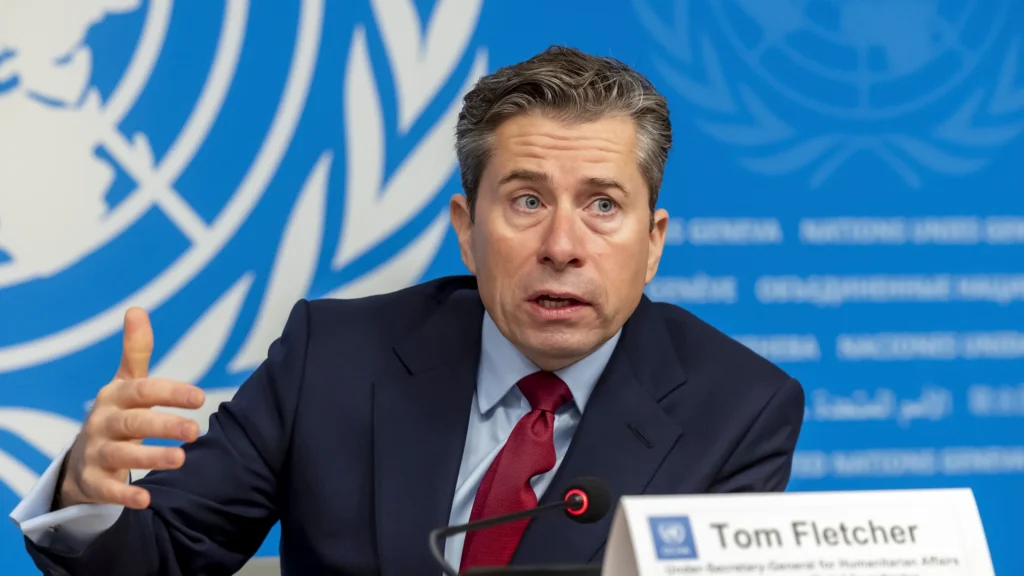
At the launch of the appeal, Fletcher said it was “based on excruciating life-and-death choices”, expressing hope that Washington would recognise the priorities outlined, alongside reforms aimed at improving aid efficiency, and decide to “renew that commitment” to humanitarian support.
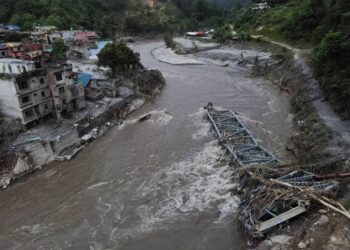
The United Nations has repeatedly stressed that the smaller appeal does not reflect reduced humanitarian needs. Instead, it estimates that around 240 million people worldwide — affected by conflict, disease outbreaks, natural disasters, and climate change—currently require emergency assistance.
In 2025, the UN appealed for more than $45 billion but received only about $12 billion, the lowest funding level in a decade. As a result, it was able to assist just 98 million people, around 25 million fewer than the previous year.
What you should know
The United States has historically been the backbone of global humanitarian funding, often accounting for a significant share of UN emergency aid budgets.
The sharp reduction in US contributions has forced the UN to scale back its ambitions, prioritising only the most extreme cases. While appeals are shrinking, global humanitarian needs continue to rise due to protracted conflicts, climate-related disasters, and economic instability.
Aid agencies warn that sustained underfunding could worsen food insecurity, displacement, and mortality in already fragile regions.