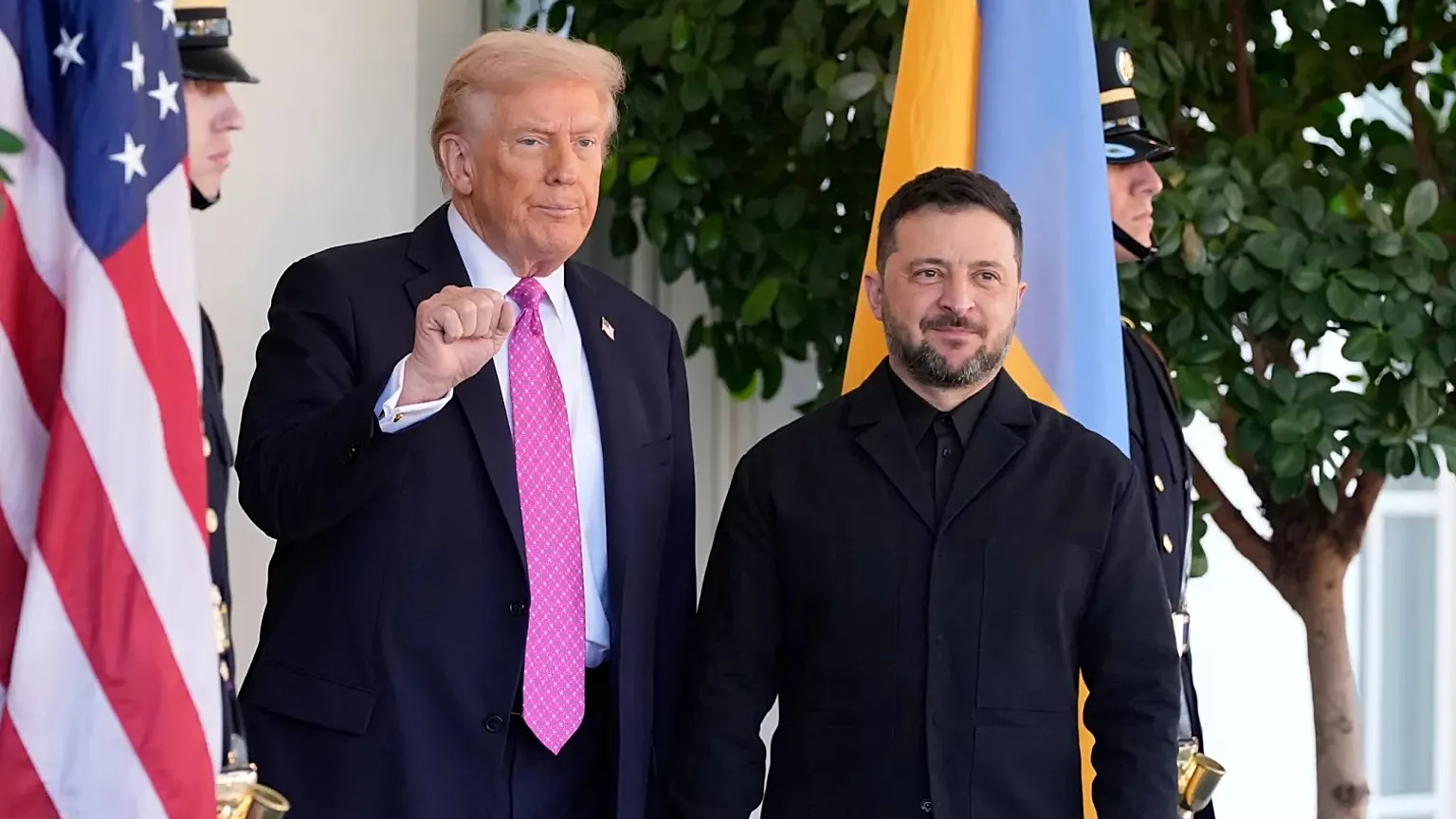
Ukrainian President Volodymyr Zelensky is set to meet United States President Donald Trump on Sunday, aiming to secure his endorsement for a new proposal designed to end the nearly four-year war with Russia.
The talks, scheduled to take place at Trump’s Mar-a-Lago residence in Florida, mark the first face-to-face meeting between both leaders since October, when Trump declined Kyiv’s request for long-range Tomahawk missiles.
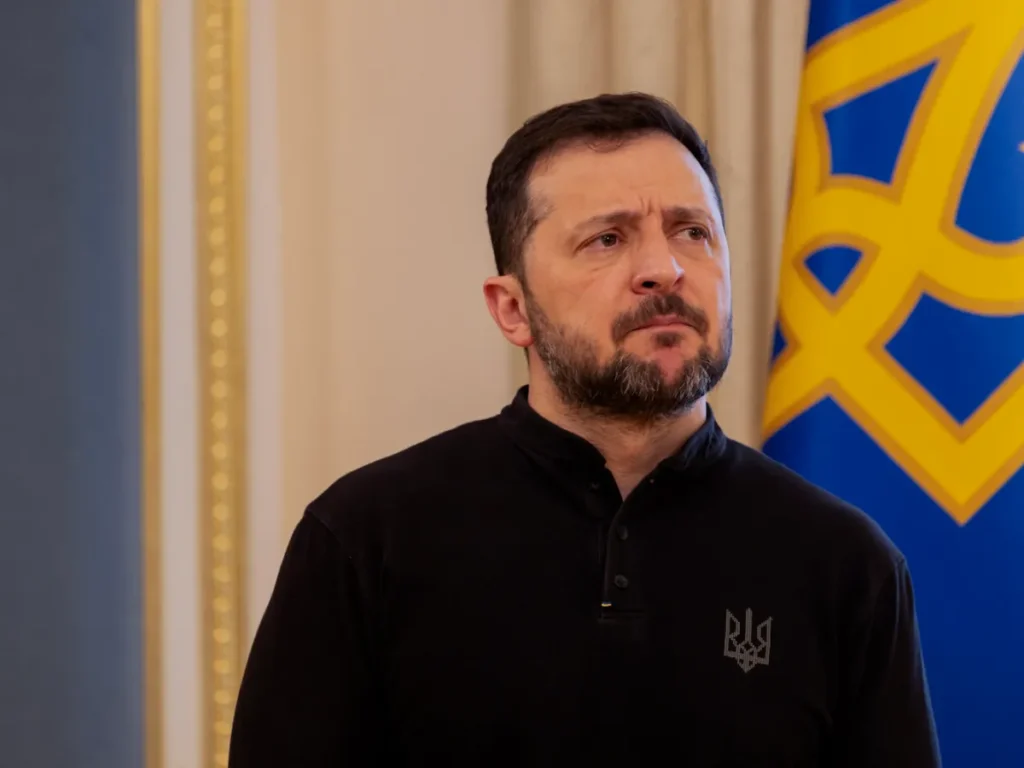
The proposed 20-point peace framework is the outcome of weeks of intense negotiations between Ukraine and the United States, but it has yet to receive Moscow’s approval. The meeting comes amid heightened tensions following a large-scale Russian missile and drone attack on Kyiv, which Zelensky said clearly demonstrated Moscow’s stance.
“This attack is again, Russia’s answer on our peace efforts. And this really showed that Putin doesn’t want peace,” Zelensky said while speaking during a stopover in Canada on Saturday.
The Ukrainian leader expressed hope that discussions with Trump would be “very constructive,” stressing that recent events underlined the urgency of diplomatic efforts. Zelensky also used his visit to Canada to hold a conference call with European leaders, who, according to German Chancellor Friedrich Merz, pledged their full support for Ukraine’s push for peace.
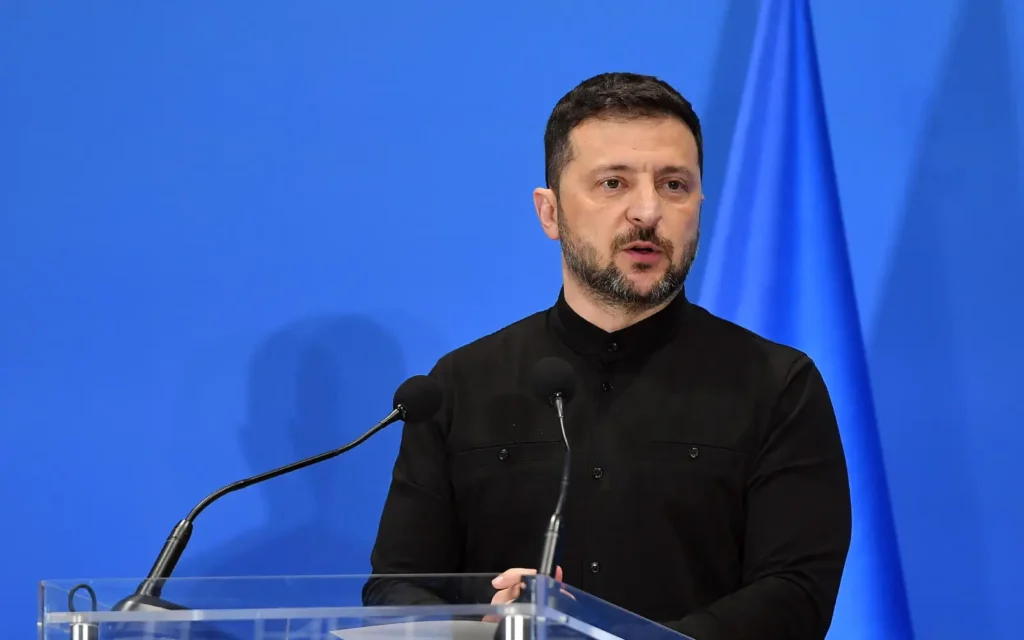
European Union leaders Ursula von der Leyen and Antonio Costa reiterated that Europe’s backing for Ukraine would remain steadfast and vowed to keep pressure on the Kremlin. Russia, however, accused Ukraine and its European allies of attempting to derail earlier US-brokered peace initiatives. Russian Foreign Minister Sergei Lavrov said Moscow would continue engaging American negotiators but criticised Europe, stating, “After the change of administration in the US, Europe and the European Union have become the main obstacle to peace.”
Lavrov further alleged that European leaders were preparing for confrontation, adding, “They are making no secret of their plans to prepare for war with Russia.” He claimed European political ambitions had blinded leaders to the welfare of both Ukrainians and their own citizens.
Trump has so far adopted a cautious stance on the new proposal. “Zelensky doesn’t have anything until I approve it,” he said in an interview with Politico. “So we’ll see what he’s got.”
The plan under discussion would effectively freeze the conflict along current front lines and could require Ukrainian forces to pull back from parts of the east to establish demilitarised buffer zones. While this represents Kyiv’s clearest signal yet of potential territorial compromise, it does not include a withdrawal from the 20 percent of the Donetsk region still under Ukrainian control, a key demand from Moscow.
Ending the wars in Ukraine and Gaza has been a central promise of Trump’s second term, though he has admitted frustration with both sides over the lack of progress toward a ceasefire.
Zelensky said security guarantees would be central to Sunday’s discussions. “Security guarantees must be simultaneous with the end of the war, because we must be confident that Russia will not start aggression again,” he said. “We need strong security guarantees. We will discuss this and we will discuss the terms.”
Ukraine continues to press for increased military and financial support from Western partners, particularly in drone technology. During the Canadian visit, Prime Minister Mark Carney announced fresh economic assistance worth CAN$2.5 billion to support Ukraine’s post-war recovery.
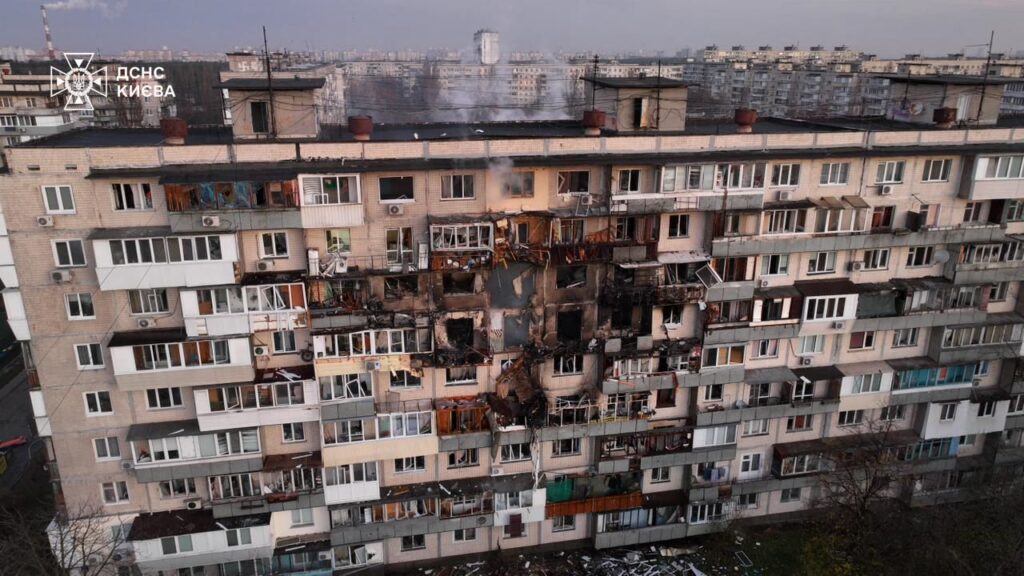
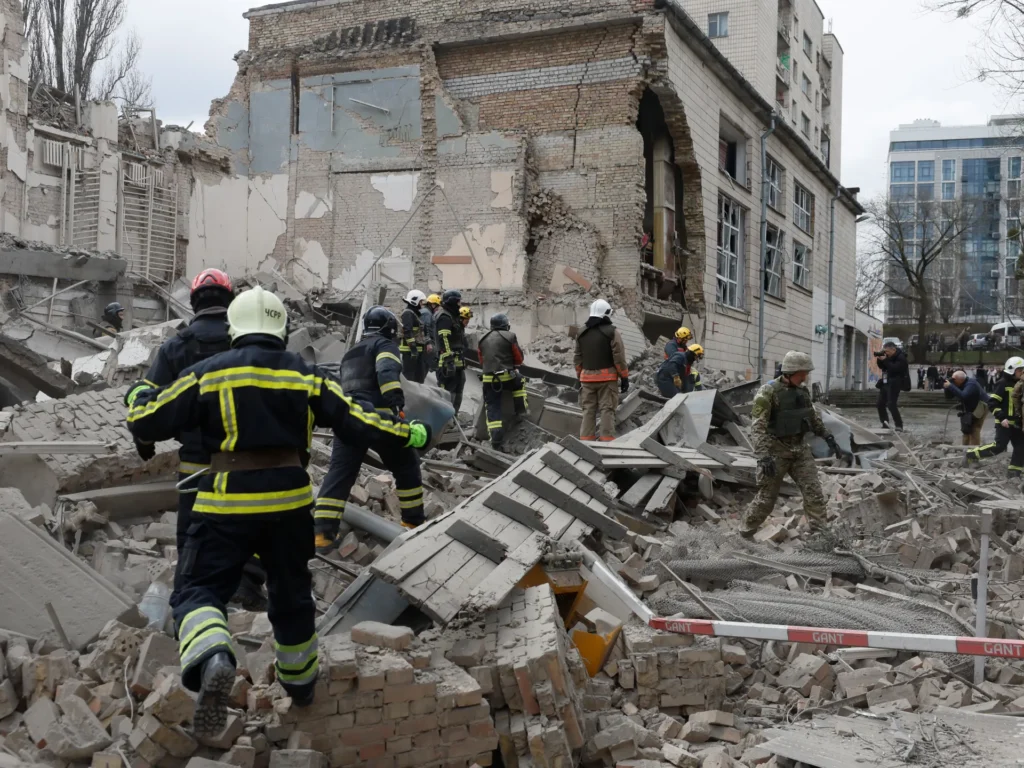
The urgency of the talks was underscored by the latest Russian assault, which involved hundreds of drones and dozens of missiles striking Kyiv and surrounding regions, leaving large numbers of residents without electricity and heating amid freezing conditions.
What you should know
The Ukraine war began in 2022 following Russia’s full-scale invasion and has since reshaped global geopolitics.
President Zelensky is under growing pressure to balance military resistance with diplomatic solutions, especially as Western support faces political shifts. Donald Trump’s return to office has introduced uncertainty into US policy toward Ukraine, with a stronger emphasis on negotiations. Europe remains firmly aligned with Kyiv, while Russia insists territorial concessions are non-negotiable.
Any US-backed peace deal would significantly influence the direction of the conflict and Ukraine’s future security arrangements.