The Chairman of the Presidential Committee on Fiscal Policy and Tax Reforms, Taiwo Oyedele, has declared that the January 1, 2026 commencement date for the Nigerian Tax Act and the Nigerian Tax Administration Act remains fixed and will not be altered.
Oyedele made this known on Friday in Lagos while addressing journalists after a meeting with President Bola Tinubu. The meeting was also attended by the Chairman of the Federal Inland Revenue Service, Zacchaeus Adedeji, and the Chairman of the National Tax Policy Implementation Committee, Joseph Tegbe.
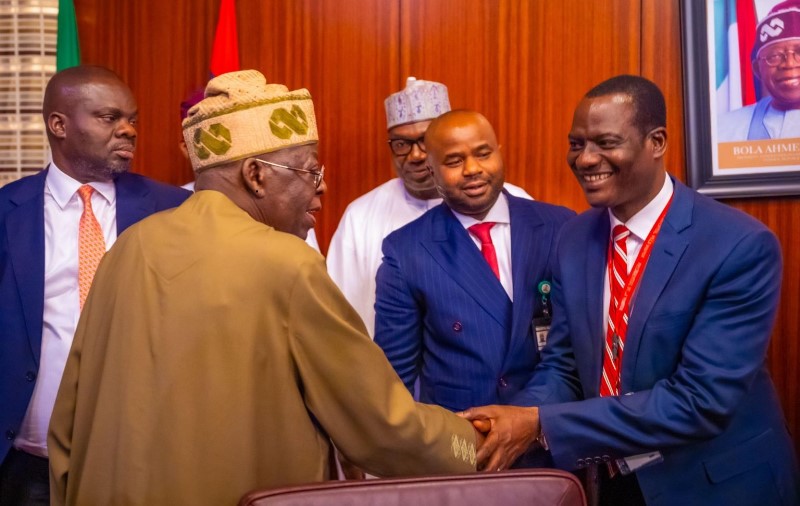
“The plan to commence the new laws on January 1, 2026, will go ahead as planned on schedule because these reforms are designed to provide relief to the Nigerian people,” Oyedele said.
He explained that the reforms are structured to ease the tax burden on citizens and businesses while stimulating growth. According to him, “Bottom 98 per cent of workers will see either no Pay As You Earn (PAYE) tax or lower taxes to be paid, small businesses 97 per cent of them will be exempted from Corporate Income Taxes, Value Added Tax (VAT), and Withholding Tax, and large businesses will see a drop in the taxes that they pay.”
“The whole idea is to try and promote economic growth, inclusivity as well as shared prosperity for our people,” he added.
Oyedele also welcomed the position of the National Assembly amid allegations surrounding alterations to the newly signed tax laws, stating that the Federal Government is willing to engage lawmakers to resolve issues raised by Nigerians, including opposition figures.
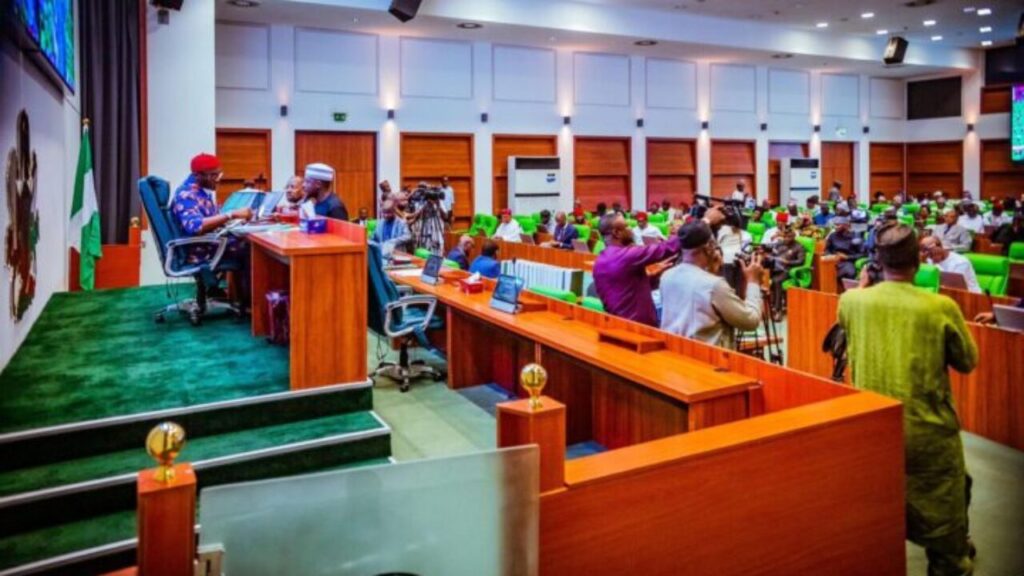
The reforms have generated controversy following claims by a member of the House of Representatives, Abdussamad Dasuki, who alleged discrepancies between the tax laws passed by lawmakers and the versions that were later gazetted.
Dasuki said his legislative rights were violated, insisting that the documents made public did not accurately reflect what was debated and approved by the National Assembly.
“Before you can say there is a difference between what was gazetted and what was passed, we have what has not been gazetted. We don’t have what was passed,” he said.
“The official harmonised bills certified by the clerk, which the National Assembly sent to the President, we don’t have a copy to compare. Only the lawmakers can say authoritatively what we sent.
“It should be the House of Representatives or Senate version. It should be the harmonised version certified by the clerk. Even me, I cannot say that I have it. I only have what was presented to Mr President to sign.”
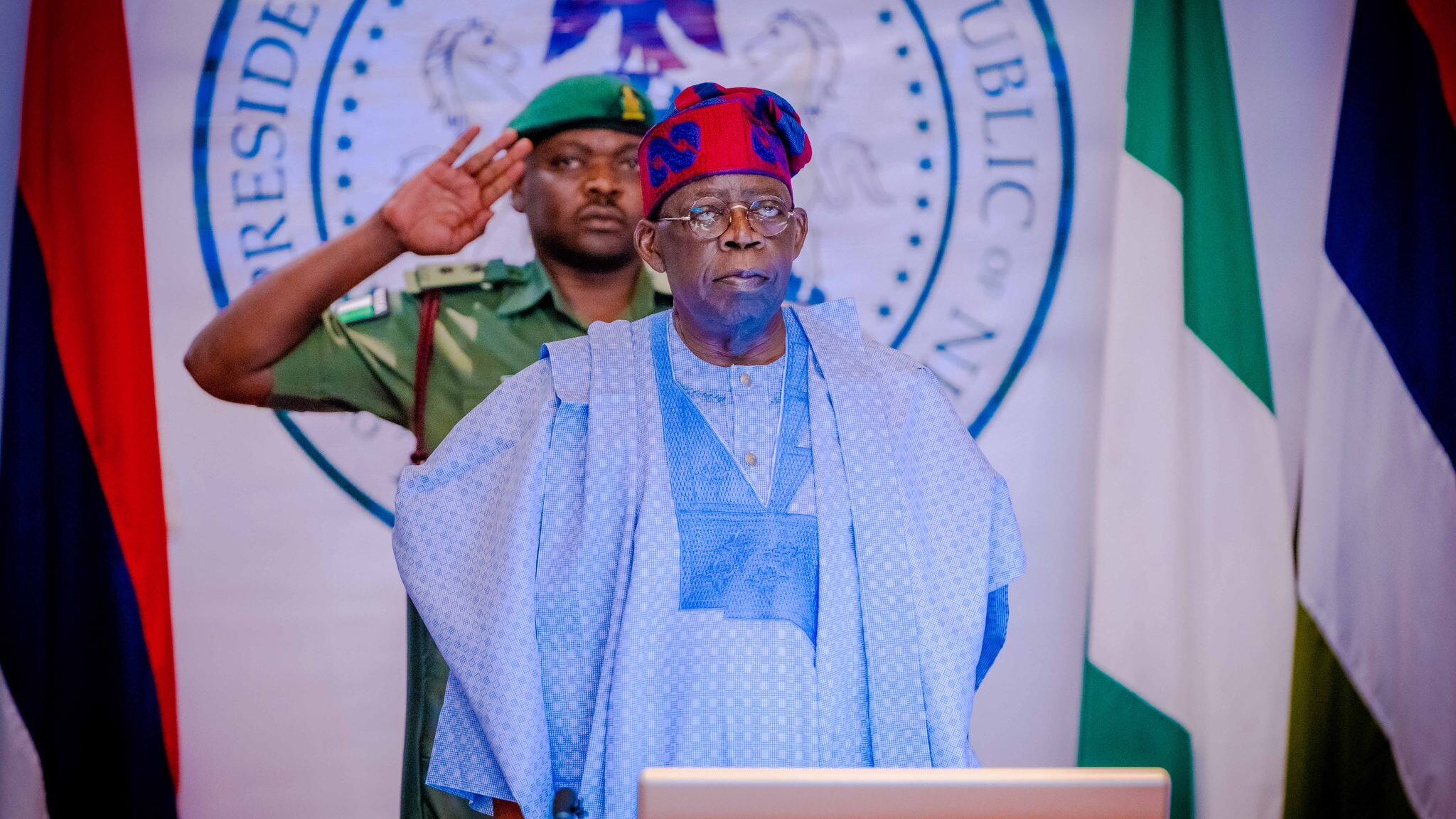
President Tinubu recently signed four tax reform bills into law, a move the Federal Government has described as the most comprehensive overhaul of Nigeria’s tax system in decades.

Despite strong resistance from some federal lawmakers, particularly from the northern part of the country, the tax reform laws were eventually passed and are scheduled to take effect on January 1, 2026.
The new legal framework includes the Nigeria Tax Act, the Nigeria Tax Administration Act, the Nigeria Revenue Service (Establishment) Act, and the Joint Revenue Board (Establishment) Act, all to operate under a unified authority known as the Nigeria Revenue Service.
What you should know
The Nigerian tax reforms signed into law by President Bola Tinubu aim to restructure how taxes are collected and administered across the country.
The reforms are designed to reduce the burden on workers and small businesses while improving efficiency and compliance among large corporations. Although the laws have sparked controversy over alleged discrepancies between legislative approvals and gazetted versions, the Federal Government insists the reforms are pro-growth and inclusive.
Authorities say consultations with lawmakers and stakeholders will continue ahead of the January 1, 2026 implementation date to ensure transparency, public trust, and smooth execution nationwide.