Gold prices edged lower in Friday trading, succumbing to pressure from a resurgent U.S. dollar and tactical year-end positioning by institutional investors.
However, the yellow metal remained on track to close the week in positive territory, buoyed by mounting speculation that the Federal Reserve will deliver additional interest rate cuts in 2025 following unexpectedly soft inflation data.
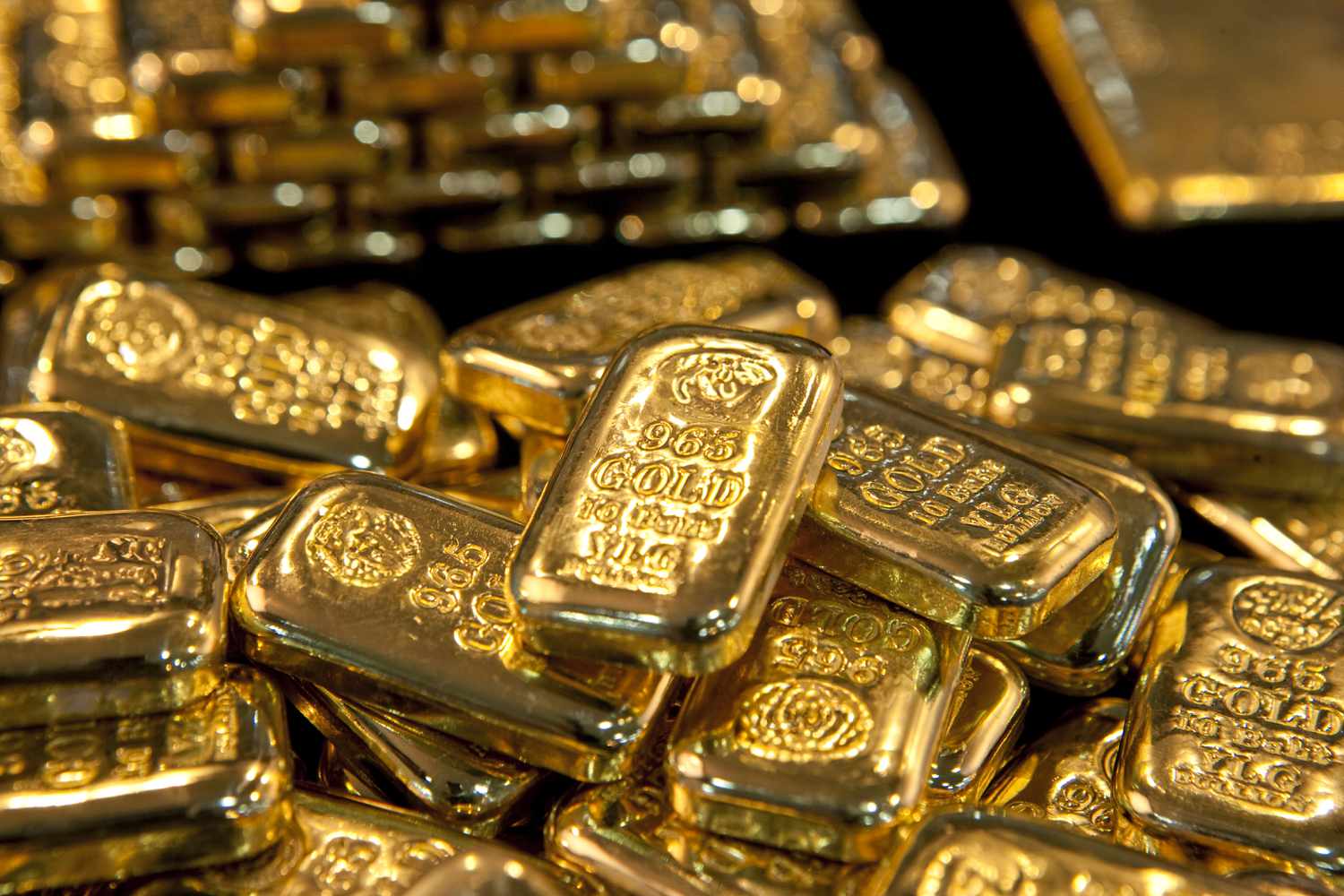
Spot gold declined 0.1% to $4,326.37 per ounce as of 1111 GMT, but the modest Friday pullback did little to dampen the metal’s weekly performance. Gold was set to post a 0.6% gain for the week, having clawed back toward the record highs established in October—a testament to the enduring appeal of safe-haven assets amid economic uncertainty.
U.S. gold futures mirrored the downward pressure, slipping 0.2% to $4,354.80, as traders locked in profits ahead of the holiday period.
Silver Steals the Spotlight with Historic Rally
While gold treaded water, silver emerged as the star performer in the precious metals complex. Spot silver advanced 0.8% to $65.93 per ounce on Friday and was poised to close the week up a remarkable 6%, following a surge to an all-time peak of $66.88 on Wednesday.
The white metal’s extraordinary 128% year-to-date gain has been driven primarily by robust industrial demand, particularly from the renewable energy and electronics sectors. Silver’s performance has handily outpaced gold’s impressive 65% annual advance, underscoring a fundamental shift in market dynamics as industrial applications compete with traditional investment demand.
Dollar Strength Weighs on Gold
The U.S. dollar climbed to its highest level in more than a week on Friday, creating a headwind for dollar-denominated commodities. A stronger greenback makes gold more expensive for holders of other currencies, potentially dampening international demand.
“Gold is seeing some minor pressure today likely due to some end-of-year positioning and general quietness ahead of the holidays,” explained Zain Vawda, analyst at MarketPulse by OANDA. However, Vawda emphasized that “recent softer U.S. economic data has helped prospects of rate cuts next year”—a development that typically supports gold prices by reducing the opportunity cost of holding non-yielding assets.
Inflation Data Fuels Rate Cut Speculation
The catalyst for gold’s weekly resilience came from Wednesday’s U.S. inflation report, which showed consumer prices rising 2.7% year-over-year in November—notably below the 3.1% increase economists had anticipated. The softer-than-expected reading reinforced the narrative that the Federal Reserve’s aggressive tightening campaign is successfully cooling price pressures without precipitating a severe economic downturn.
Federal Reserve Bank of Chicago President Austan Goolsbee responded to the data by suggesting that sustained moderation in inflation “can open the door for more interest rate cuts next year.” His comments aligned with market sentiment, as federal funds rate futures showed a slightly increased probability of the Fed trimming rates at its January policy meeting.
Lower interest rates typically benefit gold by reducing yields on competing assets like bonds and by potentially weakening the dollar.
Bullish Long-Term Outlook
Investment bank Goldman Sachs issued an optimistic forecast on Thursday, projecting gold prices will climb 14% to $4,900 per ounce by December 2026 in its base-case scenario. The firm cited “structurally high central bank demand and cyclical support from Fed interest rate cuts” as the primary drivers.
Central banks worldwide have been aggressive buyers of gold over the past two years, seeking to diversify reserves away from dollar-denominated assets—a trend analysts expect to persist given ongoing geopolitical tensions and currency concerns.
Asian Demand Shows Signs of Fatigue
Despite the constructive global backdrop, physical gold demand in key Asian markets showed weakness. In India, gold discounts widened to their largest in over a month as record-high prices deterred buyers during the traditional wedding season—typically a period of peak consumption.
Chinese dealers, meanwhile, offered their steepest markdowns since late August 2020, suggesting that even value-conscious consumers are balking at current price levels. The softness in Asia’s two largest gold-consuming nations bears watching, as sustained weakness could limit upside potential for prices.
Platinum Group Metals Surge
The platinum group metals delivered stellar performances. Platinum rose 0.2% to $1,919.41 per ounce after touching a more than 17-year high on Thursday, while palladium held steady at $1,695.22 following an intraday climb to a nearly three-year peak.
Both metals were positioned for solid weekly gains, with palladium on track for its best week since September 2024. The rally reflects tightening supply dynamics and expectations of sustained demand from the automotive sector, despite the ongoing transition to electric vehicles.
Market Outlook
As 2025 approaches, precious metals markets appear poised for continued volatility. The interplay between dollar strength, Federal Reserve policy, physical demand from Asia, and institutional positioning will likely dictate near-term price action.
For now, the fundamental backdrop remains supportive: inflation is moderating, rate cuts are on the horizon, and central banks continue accumulating gold reserves. Whether these tailwinds can propel gold to new record highs—and sustain silver’s historic rally—will be one of the compelling narratives to watch in the months ahead.
WHAT YOU SHOULD KNOW
Gold prices dipped on Friday on dollar strength but remained up for the week, supported by soft U.S. inflation data that’s fueling expectations of Federal Reserve rate cuts in 2025. The real story, however, is silver’s explosive 128% year-to-date surge—driven by industrial demand—which has dramatically outpaced gold’s 65% gain.
With Goldman Sachs projecting gold at $4,900/oz by late 2026 and rate cuts on the horizon, precious metals remain attractive, though record-high prices are dampening physical demand in key Asian markets. Lower interest rates ahead favor gold, but silver’s industrial boom is stealing the show.