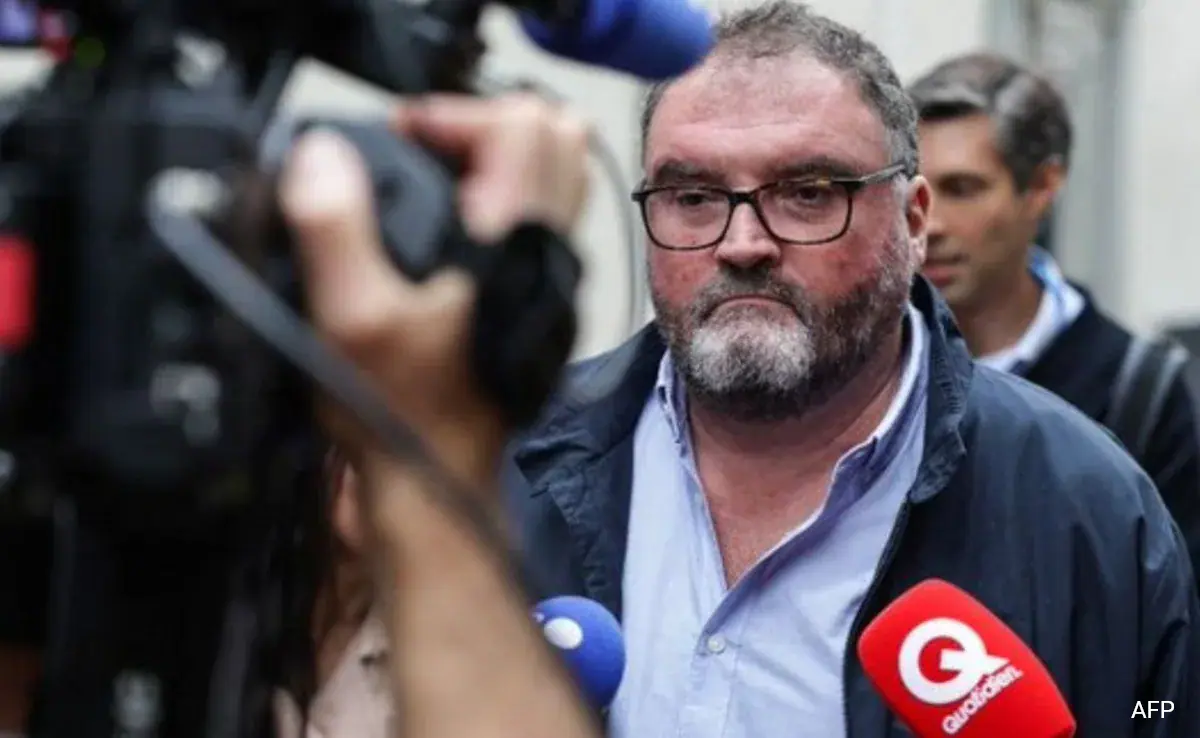
A court in France on Thursday handed a life sentence to a medical doctor found guilty of poisoning 30 patients, both children and adults, in a case that resulted in 12 deaths and sent shockwaves through the country’s healthcare system.
The convicted doctor, Frederic Pechier, aged 53, worked as an anaesthetist in two private clinics in the eastern city of Besancon, where a series of unexplained cardiac arrests occurred between 2008 and 2017. Investigators later concluded that the incidents were not coincidental.
Among the victims, 12 patients could not be revived. The youngest, four-year-old Teddy, survived two cardiac arrests during what was supposed to be a routine tonsil surgery in 2016, an incident that later became central to the investigation.

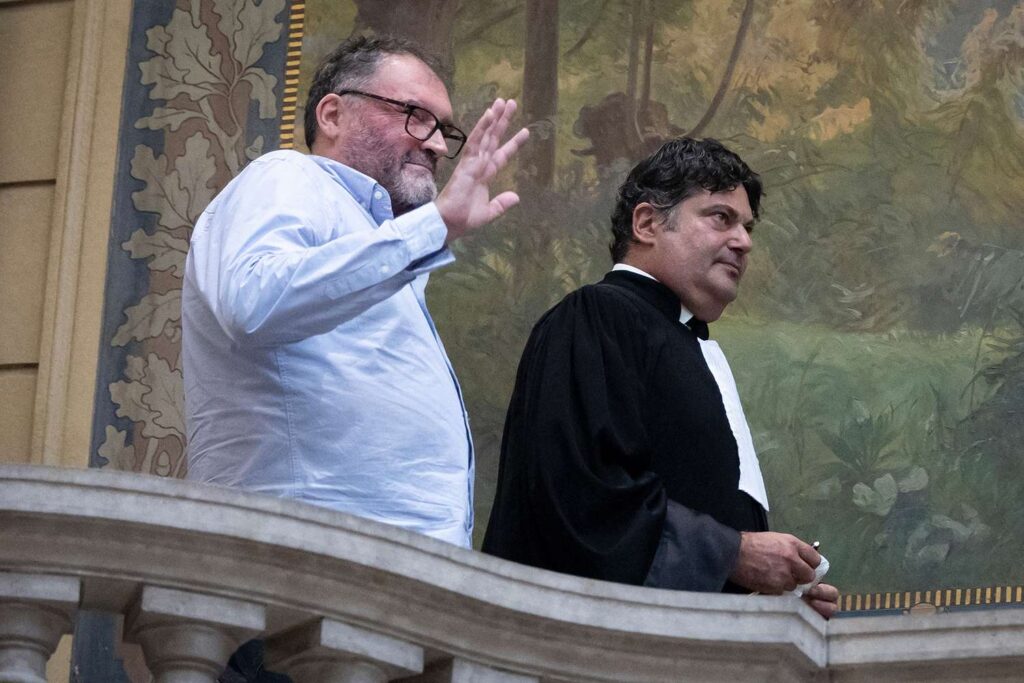
Delivering the verdict, presiding judge Delphine Thibierge ordered Pechier’s immediate incarceration, declaring, “You will be incarcerated immediately.” The convicted doctor, who had remained free throughout the investigation, showed little visible reaction in court.
The oldest of the alleged victims was 89 years old. Authorities opened a formal investigation in 2017 after a troubling pattern of cardiac arrests during surgeries involving patients who had been classified as low-risk.
Over the course of a trial lasting more than three months, prosecutors argued that Pechier deliberately poisoned patients by contaminating intravenous bags with substances including potassium, local anaesthetics, adrenaline and, in some cases, anticoagulants. According to the prosecution, these substances were intended to cause cardiac arrest or severe bleeding in patients treated by colleagues.
Prosecutors told the court that Pechier “used medicine to kill,” accusing him of acting out of personal vendettas against co-workers. They argued that his actions were designed to inflict psychological harm on colleagues with whom he had professional conflicts and to “feed his thirst for power.”
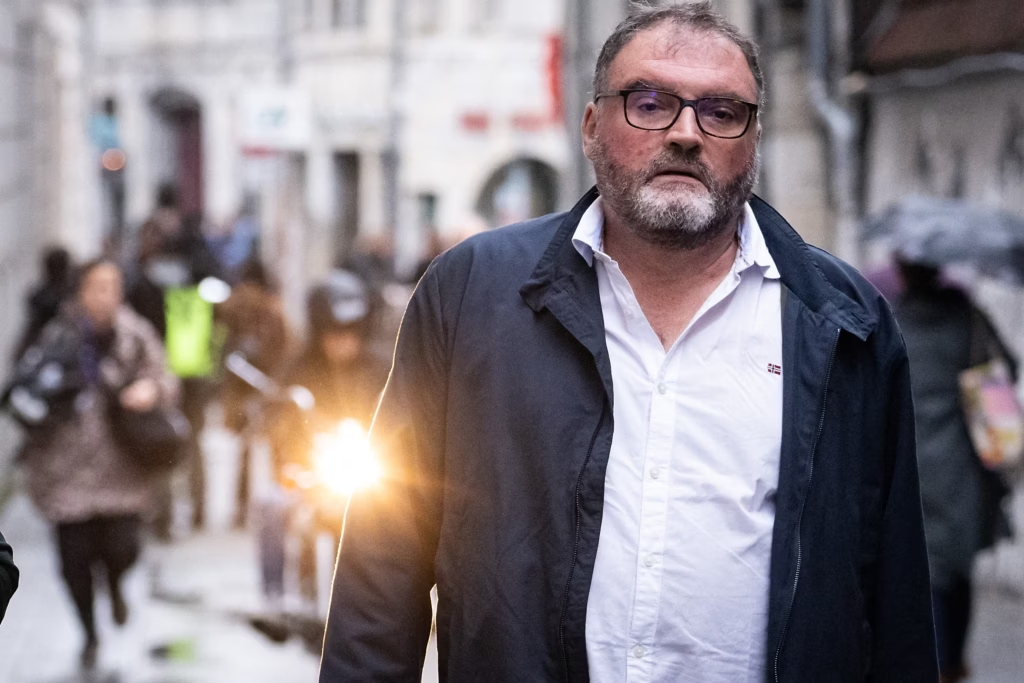
Throughout the investigation and trial, Pechier maintained his innocence. He claimed that most of the incidents were the result of “medical errors” committed by other healthcare workers. While acknowledging that someone had been poisoning patients at one of the clinics, he insisted that he was not responsible, stating, “I am not a poisoner.”
Testimony from colleagues painted a complex picture. One described Pechier as a highly skilled doctor with an “oversized ego,” while others spoke of professional tensions within the clinics.
During emotional testimony earlier this month, Pechier revealed that he attempted to take his own life in 2021, years after the investigation began.
The case has drawn comparisons with other high-profile medical scandals in Europe. In May, another French court sentenced retired doctor Joel Le Scouarnec to 20 years in prison after he admitted to sexually abusing or raping 298 patients, most of them children, between 1989 and 2014. That case raised serious questions about oversight within the medical profession, particularly how warnings from colleagues failed to stop the abuse.
Berlin Case
The French verdict comes just months after a separate case in Germany involving a doctor accused of murdering patients came before the courts. In Berlin, a 40-year-old palliative care specialist, identified by German media as Johannes M., went on trial accused of killing 15 patients.
German prosecutors allege that Johannes M. murdered 12 women and three men between September 2021 and July 2024 by administering lethal injections. Victims ranged in age from 25 to 94. In some instances, he allegedly set fire to patients’ homes to conceal the crimes.
Prosecutor Philipp Meyhoefer told the Berlin court that the doctor visited patients “under the pretext of providing medical care,” describing him as someone who acted as “master of life and death.” Investigators said suspicions arose after a colleague noticed an unusual number of patient deaths linked to fires.
Johannes M. was arrested in August, initially in connection with four deaths. Further investigations later led to 15 murder charges being filed against him in April.
What you should know
The conviction of Frederic Pechier highlights serious concerns about patient safety, internal oversight and accountability within healthcare systems.
The case exposed how a trusted medical professional allegedly exploited access to critical drugs to harm patients over nearly a decade. It also underscores the importance of early detection of unusual medical patterns and swift intervention when red flags emerge.
Similar cases in France and Germany have intensified calls for stronger monitoring of medical staff, better whistleblower protections and more robust institutional safeguards to prevent abuse of power in healthcare settings.