Britain is confronting what health authorities describe as an extraordinary surge in severe influenza cases, with senior officials warning that the pressure on the National Health Service has reached a critical point.
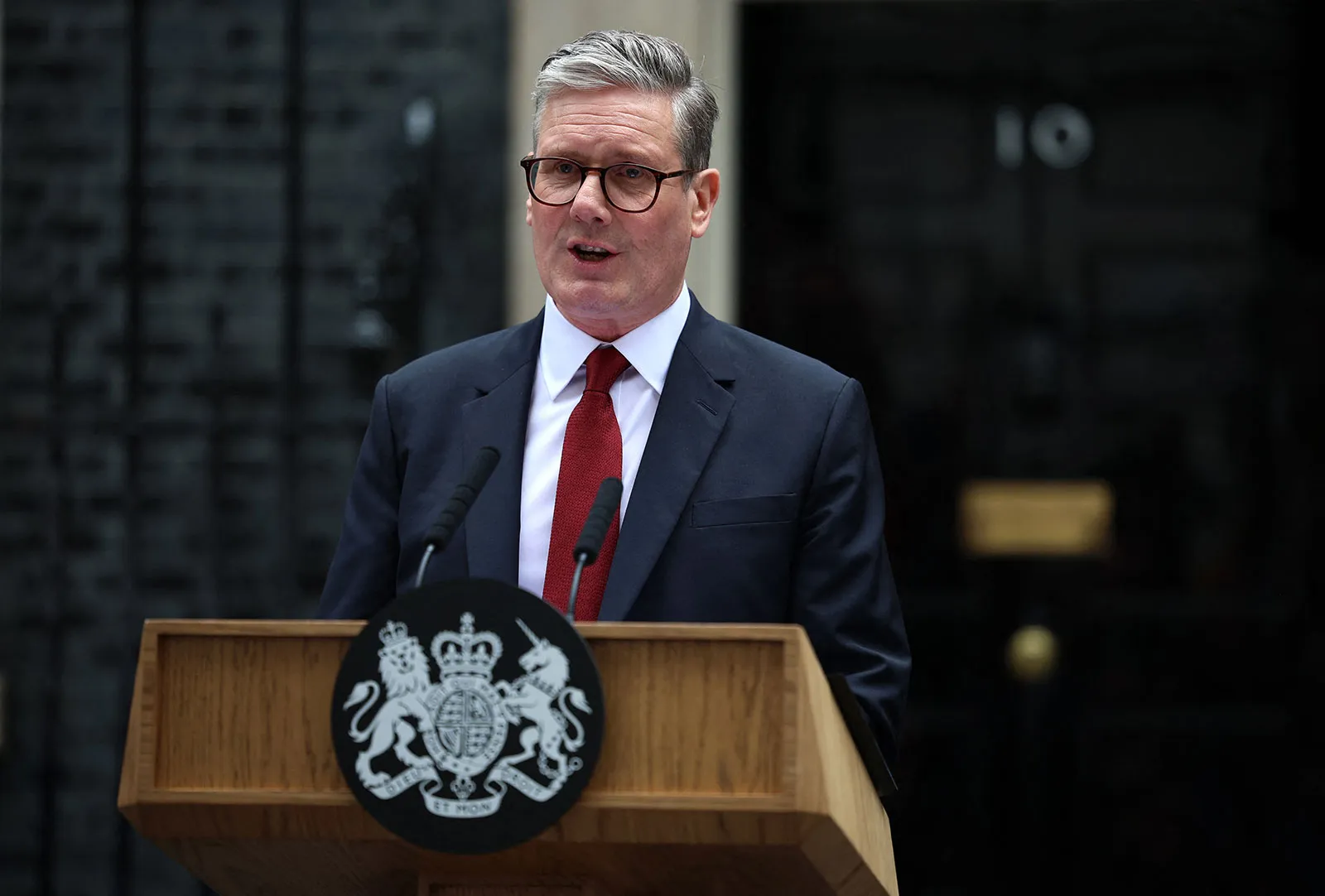
The alarm was raised as Prime Minister Keir Starmer strongly criticised plans by resident doctors to embark on a five-day strike next week, calling the move irresponsible at a time when hospitals are already under intense strain.
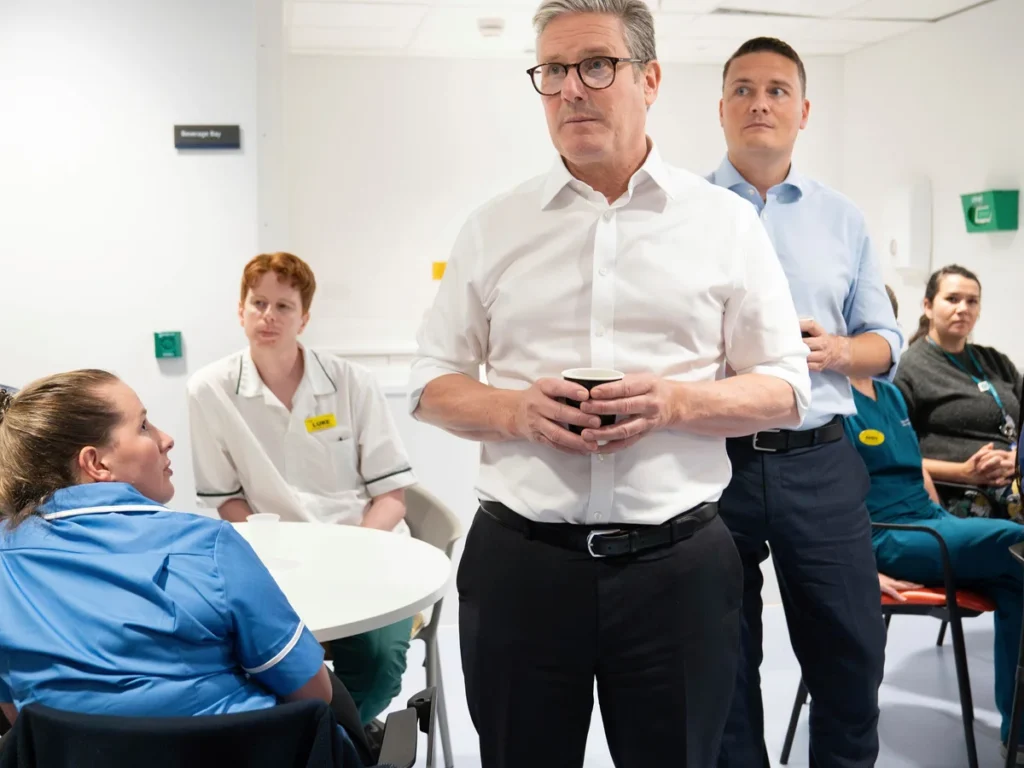
In an article published in The Guardian on Friday, Starmer wrote that the “super flu” epidemic sweeping the country means this is the NHS’s most precarious moment since the pandemic, underlining the gravity of the situation facing the healthcare system. He argued that industrial action scheduled just before Christmas would have far-reaching consequences for patients and frontline services.
According to the prime minister, the proposed walkout by resident doctors “should not happen. They are reckless. They place the NHS and patients who need it in grave danger.” His comments followed the release of new NHS data showing that flu admissions have reached unprecedented levels for this point in the year.
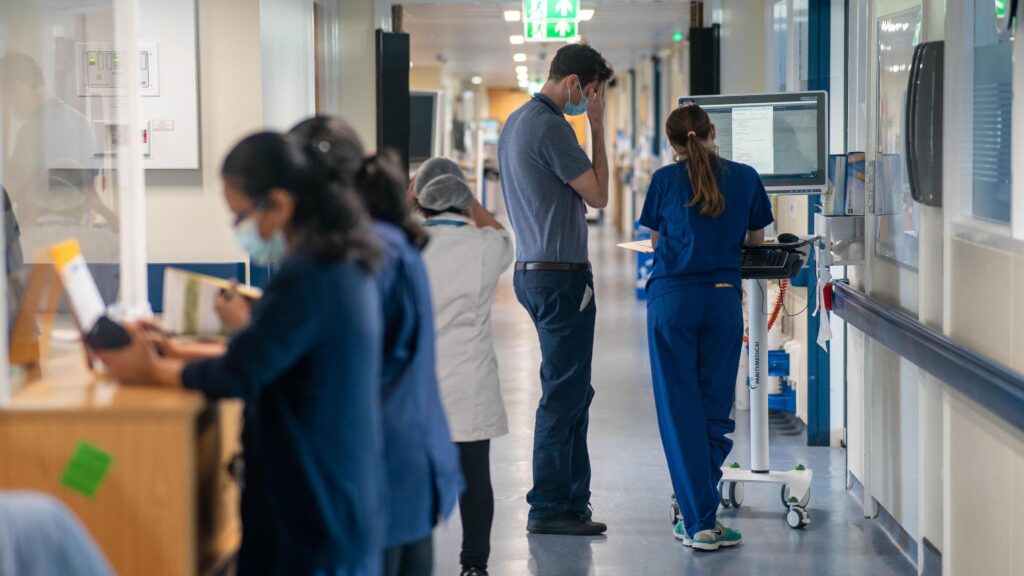
Official figures published on Thursday revealed that the number of flu-related hospital cases surged by 55 per cent in a single week, with an average of 2,660 patients admitted daily during the past week. Health leaders say the scale and speed of the rise are unlike anything normally seen at this stage of winter.
NHS National Medical Director Meghana Pandit warned that the combination of soaring demand and looming industrial action could push the health service into a worst-case scenario. She said, “With record demand… and an impending resident (junior) doctors strike, this unprecedented wave of super flu is leaving the NHS facing a worst-case scenario for this time of year.”
Health Secretary Wes Streeting echoed the concern, telling The Times that hospital admissions could still triple before the outbreak peaks. He described current conditions in hospitals as “inexcusable,” stressing that services are already stretched to their limits.
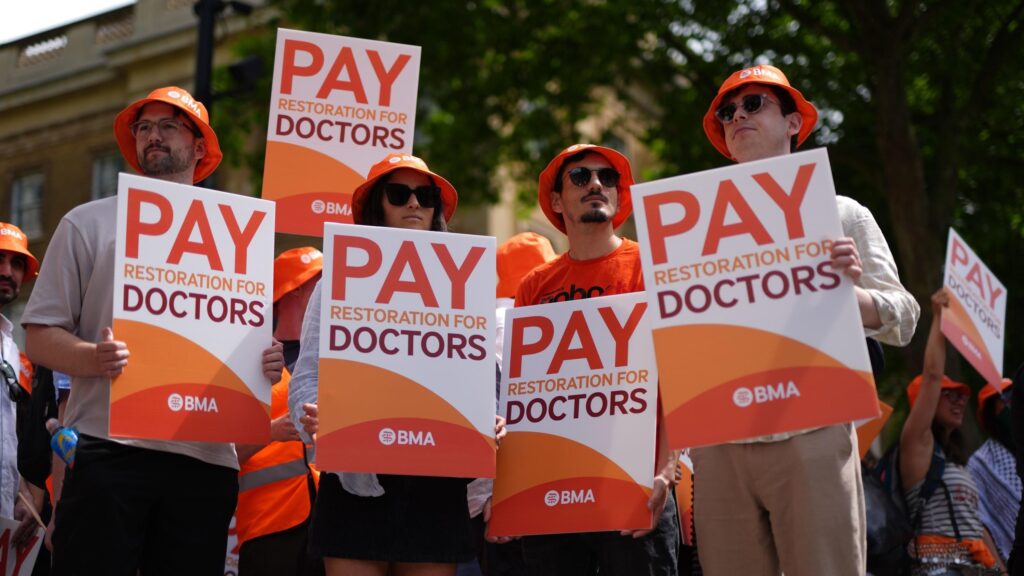
The state of the NHS has become a defining political challenge for Starmer’s Labour government, which is under mounting pressure to reduce long waiting times and stabilise hospital services. Repeated industrial actions by doctors and consultants have complicated efforts to clear backlogs, with the planned strike set to become the 14th such walkout since March 2023 if it proceeds.
Resident doctors, who work below consultant level, remain locked in a dispute with the government over pay levels and limited access to training posts. In a bid to ease tensions, Streeting has agreed to prioritise UK-trained doctors for specialist training roles and confirmed that the number of training places will be increased.
Starmer insisted that the government had made significant concessions, saying, “A good deal is on the table,” and appealing directly to medics to accept it. “My message to the doctors is simple—take it,” he added.
However, Streeting has drawn a firm line on pay, stating that the government “cannot and will not move on pay,” particularly after resident doctors received a 28.9-per-cent pay rise over the past three years, including what he described as the highest public sector pay award in the last two years.
The British Medical Association, which represents resident doctors, maintains that an additional 26 per cent increase is necessary to restore pay eroded by years of settlements below inflation. The union is expected to put the government’s latest offer to its members in an online ballot, which closes on Monday.
What you should know
The UK is experiencing an unusually severe flu outbreak that is already overwhelming hospitals, with admissions rising sharply week on week.
Health leaders warn that the situation could deteriorate further as winter progresses. At the same time, a planned strike by resident doctors has heightened concerns about patient safety and service disruption. The government argues it has made fair offers on training and pay, while doctors’ representatives insist compensation still lags behind inflation.
The standoff places additional pressure on an NHS still recovering from the pandemic and facing intense political scrutiny.