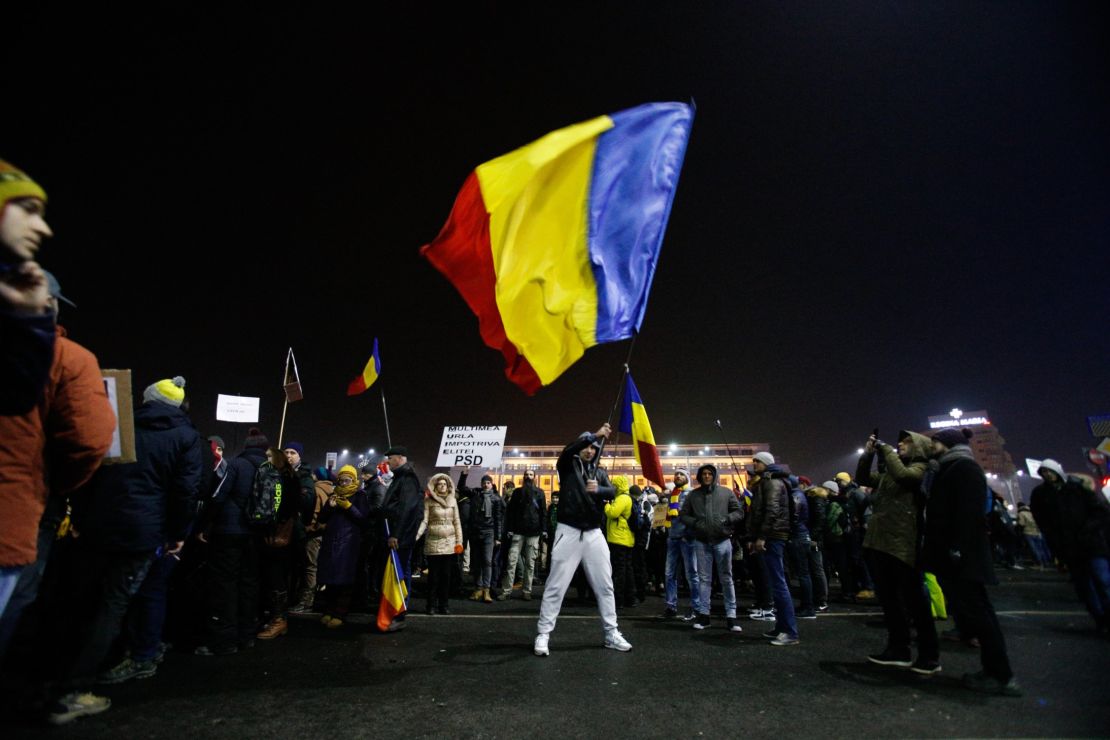
Romanians gathered in Bucharest on Friday to protest alleged corruption within the country’s judiciary, following claims that senior court officials exerted undue pressure on judges and prosecutors.
The demonstrations come amid renewed concerns over judicial independence in the eastern European nation, which continues to rank among the most corruption-affected members of the European Union, according to Transparency International’s corruption perception index.
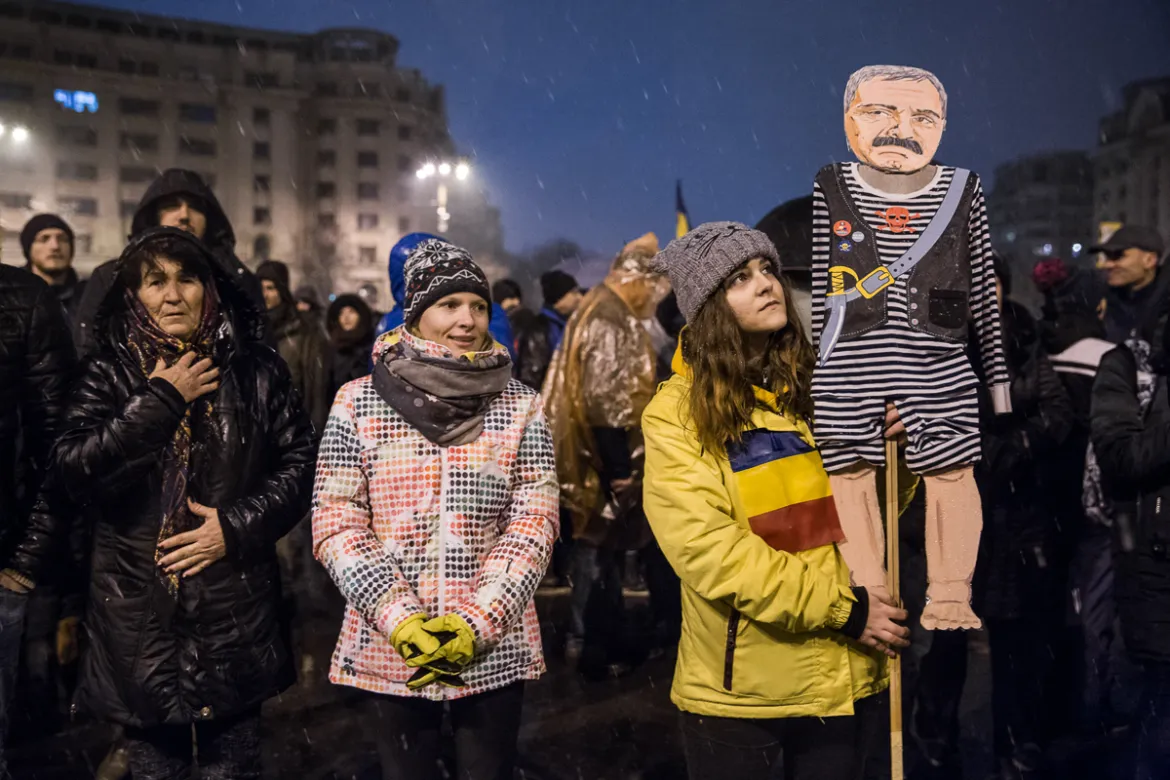
The latest wave of protests began on Wednesday after investigative media platform Recorder released an exposé containing testimonies from magistrates. The report alleged that certain cases were deliberately prolonged and that members of the judiciary faced internal pressure when handling sensitive matters. The revelations quickly sparked public outrage and reignited long-standing frustrations over systemic corruption in Romania’s justice system.
On Friday, protesters assembled outside government buildings in the capital, calling for the dismissal of the justice minister, the head of the High Court, and other senior judicial figures. Demonstrators chanted slogans such as “justice, not corruption,” “thieves,” and “we see you,” as they voiced anger at what they described as a system designed to protect itself from accountability.
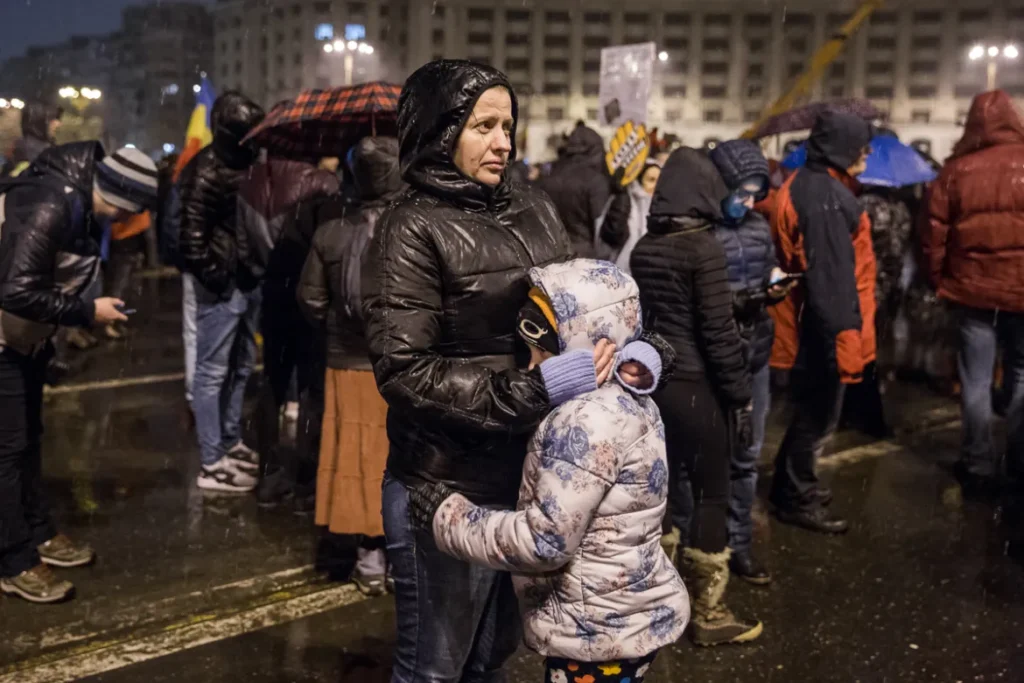
“Civil society does not accept a system that is inherently corrupt and designed to be manipulated from within,” said Vlad Voinea, a 40-year-old IT professional who attended the protest while carrying his young daughter. His remarks echoed a broader sentiment among demonstrators who say trust in the justice system has been severely eroded.
Another protester, 31-year-old Mihnea Mihai, held a placard reading “Respect for honest magistrates.” He explained that he joined the demonstration to support judges and prosecutors who had spoken out publicly. According to him, showing solidarity would help encourage others within the system to share their experiences and expose wrongdoing.
Similar protests were also reported in other cities across Romania, indicating that the anger was not limited to the capital. Since its release, the Recorder investigation has amassed more than 3.5 million views on YouTube in a country with a population of about 19 million, highlighting the scale of public interest and concern.
In response to the exposé, the Bucharest Court of Appeals, one of the institutions named in the report, held a press conference to defend its conduct. However, during the briefing, a judge from the court broke ranks and publicly confirmed the existence of internal pressure. Judge Raluca Morosanu told journalists that magistrates were “simply terrorised with disciplinary actions,” lending further credibility to the allegations raised in the investigation.
Following these developments, hundreds of judges and prosecutors signed an open letter condemning what they described as “deep and systemic dysfunctions” within the justice system. The signatories also expressed solidarity with colleagues who had shown “the courage to raise awareness of the problems and pressures within the justice system.”
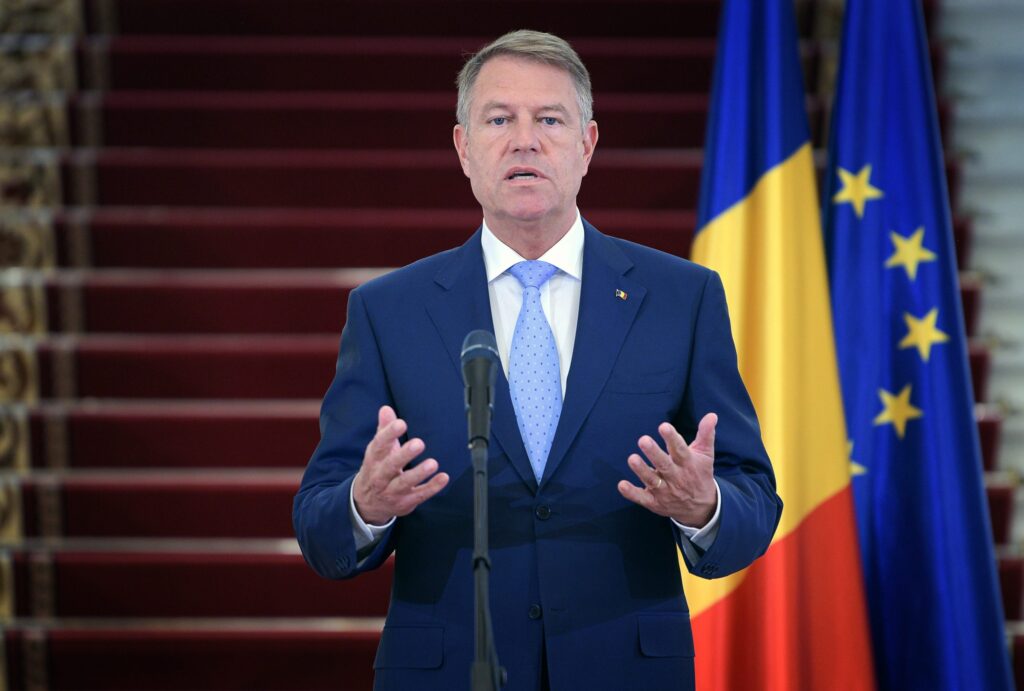
President Nicusor Dan responded by inviting magistrates to discussions scheduled for December 22. In a Facebook post, he acknowledged the seriousness of the situation, stating that when hundreds of judges and prosecutors report “a problem with integrity in the justice system, things are very serious.”
Concerns about judicial corruption have long plagued Romania. In November, parliament adopted a new national defence strategy that explicitly identified corruption, including within the judiciary, as one of the country’s major vulnerabilities, underscoring the issue’s implications for both governance and national security.
What you should know
Romania is witnessing renewed public anger over alleged corruption within its judiciary following an investigative report that accused senior court officials of pressuring judges and manipulating cases.
The revelations have triggered nationwide protests, public statements from magistrates, and political attention from the presidency.
Judicial corruption has been a persistent challenge in Romania, affecting public trust and drawing scrutiny from both domestic watchdogs and international observers.