Germany on Friday formally accused Russia of orchestrating cyber operations aimed at its air traffic control systems and attempting to interfere in the country’s February general election, announcing that it had summoned the Russian ambassador in Berlin to lodge an official protest.
A spokesperson for the German Foreign Ministry said national security agencies had gathered conclusive evidence linking the incidents to hacker groups operating under Russia’s military intelligence service, the GRU. According to the spokesman, extensive intelligence analysis allowed authorities to clearly trace responsibility back to Moscow.
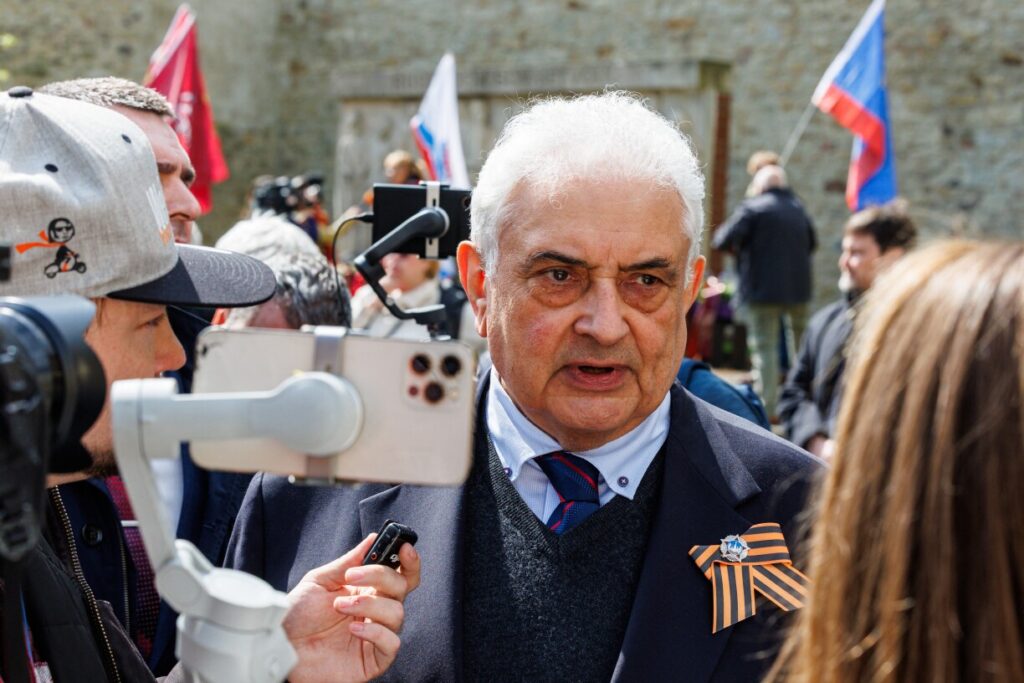
“Based on comprehensive analysis by the German intelligence services, we have been able to clearly identify the handwriting behind it and prove Moscow’s responsibility,” the spokesman said while addressing reporters.
He explained that investigators were now able to directly attribute the cyberattack on German Air Safety in August 2024 to the hacker group known as APT28, also referred to as Fancy Bear. “We can now clearly attribute the cyberattack against German Air Safety in August 2024 to the hacker collective APT28, also known as Fancy Bear,” he stated. “Our intelligence findings prove that the Russian military intelligence service GRU bears responsibility for this attack.”
Beyond the cyber incident, German authorities also accused Russia of attempting to manipulate the outcome of the February parliamentary election, which resulted in a victory for the conservative bloc led by Chancellor Friedrich Merz, while the far-right Alternative for Germany (AfD) recorded its strongest-ever showing by finishing second.
“Second, we can now state definitively that Russia, through the Storm 1516 campaign, sought to influence and destabilise the most recent federal election,” the spokesman said.

He noted that a Moscow-based think tank backed by the GRU, along with affiliated networks, had circulated artificially generated images, deepfakes, and other misleading digital content. The intention, he said, was to inflame social divisions and weaken public confidence in Germany’s democratic institutions.
The ministry stressed that it possessed “absolutely solid proof” of Russia’s involvement, although further details could not be made public because doing so would reveal sensitive intelligence methods. When contacted for comment, the Russian embassy in Berlin declined to respond immediately to the allegations.
Germany also signalled that it would not let the matter rest. The spokesman warned that Berlin was preparing “a series of countermeasures to make Russia pay a price for its hybrid actions, in close coordination with our European partners.” He said Germany would back new targeted sanctions against individuals involved in hybrid operations at the European level, though he did not identify specific names.
In addition, he disclosed that from January, European Union member states would begin monitoring cross-border movements of Russian diplomats within the Schengen Area. The objective, he said, was to improve information sharing and reduce intelligence-related risks.
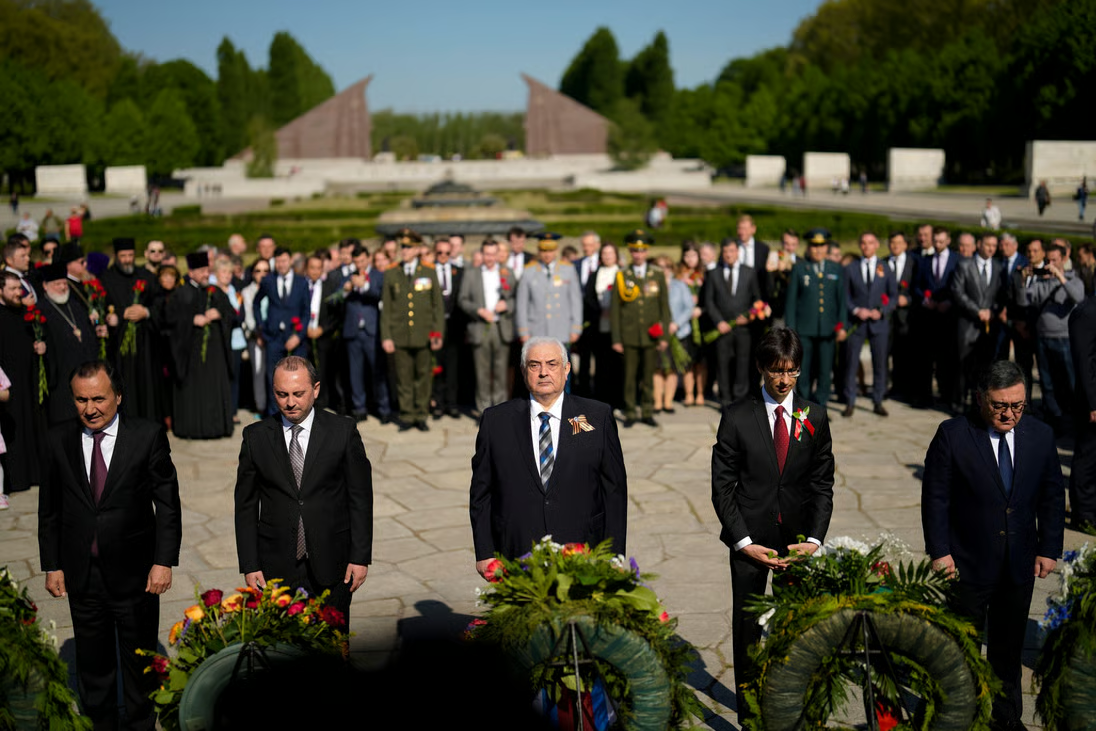
Across Europe, governments remain on heightened alert over alleged Russian espionage, drone surveillance, sabotage attempts, cyber intrusions, and disinformation campaigns. Germany, which has become Ukraine’s second-largest provider of aid since Russia launched its full-scale invasion in 2022, has previously accused Moscow of being linked to drone flights observed near several European airports.
Chancellor Merz has argued that such incidents demonstrate an effort by Russian President Vladimir Putin to unsettle Europe through unconventional means. “It is Russia that is trying to destabilise us in Germany and in Europe ever more ruthlessly with hybrid methods of war,” Merz said in October. “We will defend ourselves against them now and in the future.”
What you should know
Germany says it has firm intelligence evidence that Russia’s military intelligence service was behind cyberattacks on its air traffic control systems and efforts to influence its February general election.
Authorities claim these actions were part of a broader strategy to destabilise German society, undermine democratic trust, and spread disinformation using deepfakes and coordinated online campaigns. Berlin has summoned the Russian ambassador, warned of sanctions, and announced tighter monitoring of Russian diplomats across the EU.
The accusations come amid wider European concerns over alleged Russian hybrid warfare tactics.