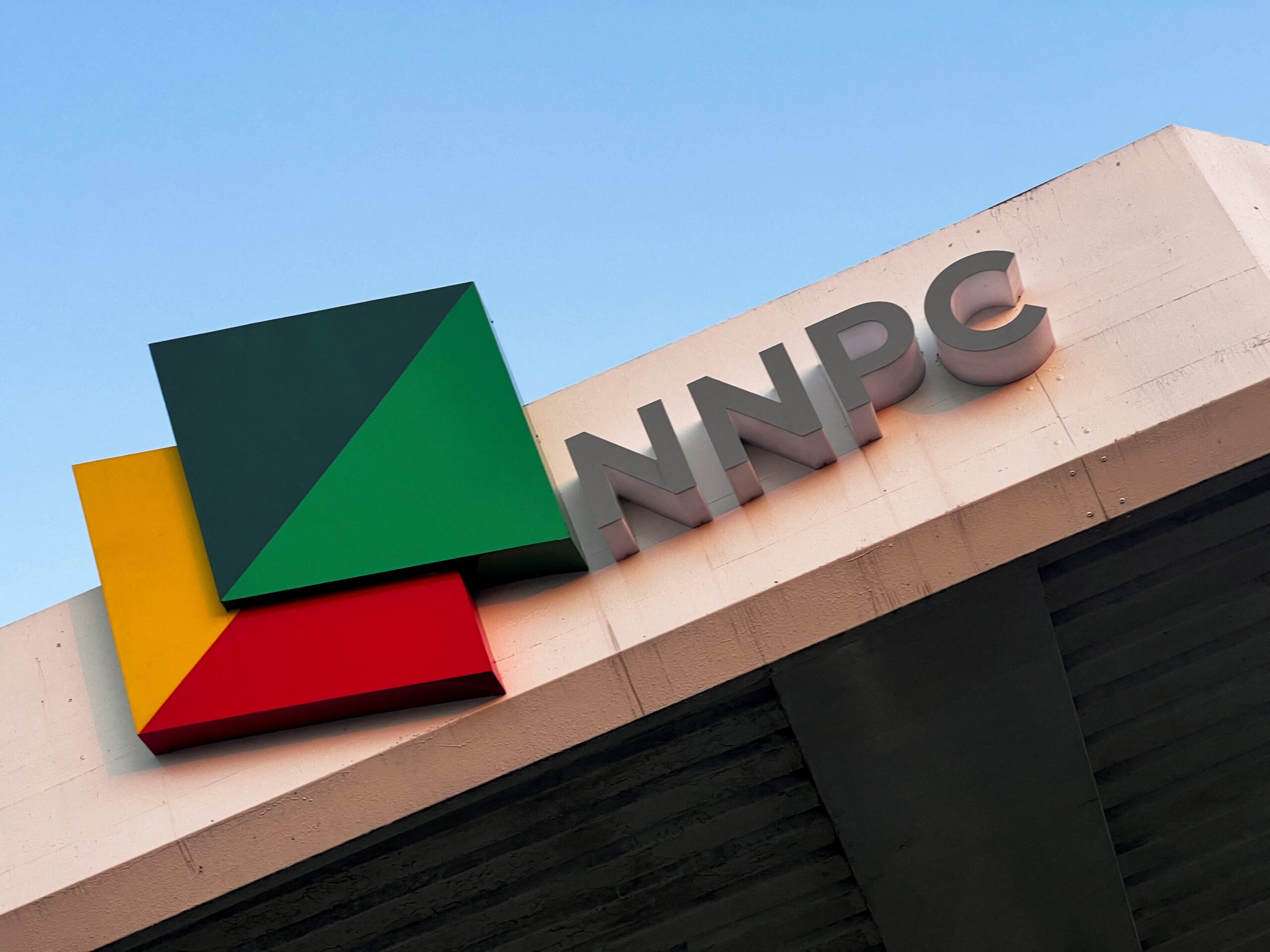
The Nigerian National Petroleum Company (NNPC) has acknowledged a significant explosion along its strategic Escravos-Lagos pipeline system, raising fresh concerns about the integrity of Nigeria’s aging oil and gas infrastructure and the persistent security challenges facing the energy sector.
The blast, which occurred at approximately 5:50 p.m. local time on Wednesday evening near three communities in the oil-rich Gbaramatu Kingdom of Delta State, has disrupted operations along one of the country’s critical energy arteries. The affected pipeline, operated by NNPC Gas Infrastructure Company, serves as a vital conduit for transporting petroleum products from the southern production heartland to the commercial capital of Lagos.
In a statement released Thursday by Chief Corporate Communications Officer Andy Odeh, NNPC Limited confirmed that technical monitoring systems detected a sudden pressure drop along the line — a telltale indicator of what engineers term “loss of containment,” the industry euphemism for a potentially catastrophic breach in pipeline integrity.
The explosion site, situated near the communities of Tebijor, Okpele, and Ikpopo, lies in a region that has long been a flashpoint for pipeline vandalism, oil theft, and communal tensions over resource control. While NNPC officials have been careful not to speculate on the cause, the incident immediately revived questions about whether the breach resulted from sabotage, equipment failure, or the rampant illegal tapping that has plagued Nigeria’s pipeline network for decades.
“The cause of the explosion is still unknown, but would be confirmed after a detailed investigation has been concluded,” Odeh stated, emphasizing that the company’s immediate priority remains “the safety of nearby communities and the protection of the environment.”
The state oil giant has activated emergency response protocols and deployed specialist teams to the site. NNPC confirmed it is coordinating closely with local authorities, security agencies, and community leaders in Gbaramatu Kingdom to contain the situation and assess potential environmental damage — a particularly sensitive issue in the ecologically fragile Niger Delta region.
The timing of the incident is particularly troubling for Nigeria’s energy sector, which has struggled with chronic underproduction, aging infrastructure, and massive revenue losses attributed to crude oil theft. Pipeline explosions, whether from vandalism or technical failures, have become distressingly routine across the Niger Delta, often resulting in environmental catastrophe, loss of life, and significant economic disruption.
The Escravos-Lagos pipeline system represents critical national infrastructure, and any extended disruption could have ripple effects on fuel supply chains and energy security across Africa’s most populous nation. Industry analysts will be watching closely to see how quickly NNPC can restore operations and what the investigation reveals about the underlying cause.
NNPC has promised to provide updates as more information becomes available from the ongoing investigation. Meanwhile, questions remain about whether adequate security measures were in place along this vulnerable stretch of pipeline and what steps will be taken to prevent similar incidents in the future.
The Nigerian government has invested billions of naira in pipeline security in recent years, yet incidents continue to occur with troubling frequency, underscoring the immense challenge of protecting thousands of kilometers of pipelines snaking through remote and often hostile terrain.
WHAT YOU SHOULD KNOW
The Nigerian National Petroleum Company has confirmed a major explosion on its critical Escravos-Lagos pipeline in Delta State on December 10, 2025. While the cause remains under investigation, the incident underscores Nigeria’s persistent struggle with pipeline security and aging infrastructure.
NNPC has activated emergency protocols and is prioritizing community safety and environmental protection, but the explosion highlights the country’s ongoing vulnerability to supply disruptions in a region plagued by vandalism and oil theft.
The investigation’s findings will be crucial in determining whether this was sabotage or equipment failure, with significant implications for Nigeria’s energy security and the thousands of kilometers of vulnerable pipeline infrastructure across the Niger Delta.
Another pipeline explosion exposes the fragility of Nigeria’s energy infrastructure and the continued challenge of securing critical assets in the volatile Niger Delta region.