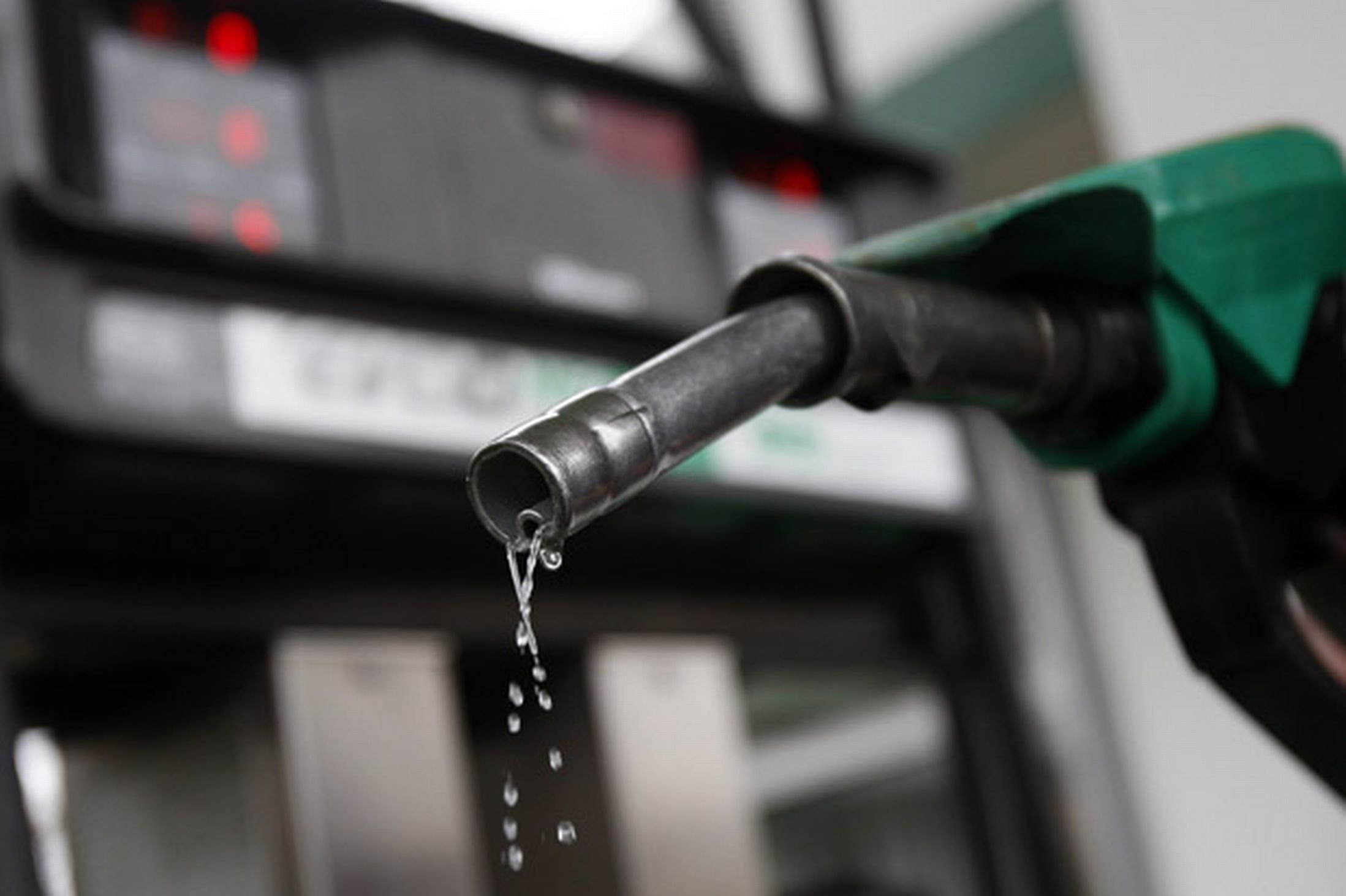
Nigeria spent N1.28 trillion importing fuel in the third quarter of 2025, according to fresh statistics released on Thursday by the National Bureau of Statistics, underscoring the nation’s stubborn reliance on foreign fuel despite years of promises to revive domestic refining.
While the Q3 figure marks a significant 44% decline from the N2.3 trillion spent in the second quarter, analysts caution that the drop may reflect seasonal demand fluctuations or temporary relief in global oil markets rather than any structural shift in Nigeria’s energy landscape. The country remains heavily dependent on imported refined products to meet domestic consumption, with local refineries continuing to operate far below capacity or lying dormant altogether.
The latest quarterly data fits into a broader, troubling pattern. Over the past five years, Nigeria’s fuel import expenditure has ballooned from N2.01 trillion in 2020 to a staggering N15.42 trillion in 2024 — an increase of more than 660%. That 2024 figure alone consumed a substantial portion of the country’s foreign exchange reserves and contributed directly to the volatility of the naira, which depreciated by over 40% during the year.
The trajectory has been steep and unforgiving. In 2021, import costs more than doubled to N4.56 trillion as Nigeria’s refining output remained anemic and global oil prices climbed. By 2022, the bill had surged another 69% to N7.71 trillion. A brief respite came in 2023, when spending dipped marginally to N7.51 trillion, likely due to temporary forex adjustments and softer crude prices. But 2024 shattered all records, with import costs spiking 105% — driven largely by the naira’s collapse, which made every barrel of imported fuel dramatically more expensive in local currency terms.
Nigeria, despite being Africa’s largest oil producer, has for decades relied almost entirely on imported refined petroleum products. The country’s four state-owned refineries in Port Harcourt, Warri, and Kaduna have been largely non-operational for years, plagued by mismanagement, underinvestment, and corruption.
The much-anticipated Dangote Refinery, a 650,000-barrel-per-day facility in Lagos, has been touted as a game-changer. Yet its full impact on reducing import dependence remains unclear, as the refinery has faced operational challenges, regulatory disputes, and questions over crude supply arrangements. Other planned modular refineries have similarly struggled to come online at scale.
The persistent fuel import burden places immense strain on Nigeria’s economy. It drains foreign reserves, fuels inflation, and undermines the government’s ability to stabilize the exchange rate. For ordinary Nigerians, the cost of fuel — and by extension, transportation, food, and goods — has become a flashpoint of economic distress.
President Bola Tinubu’s administration, which removed the costly fuel subsidy in May 2023, has pledged to prioritize energy security and support domestic refining. But with billions of naira still flowing out of the country each quarter to import what Nigeria could theoretically produce at home, the gap between policy ambition and economic reality remains wide.
As the country heads into the final quarter of 2025, the question is no longer whether Nigeria can afford its fuel import habit — but how much longer it can sustain it.
WHAT YOU SHOULD KNOW
Nigeria spent N1.28 trillion on fuel imports in Q3 2025 — down from the previous quarter but still symptomatic of a crippling dependence that has cost the country over N15 trillion in the past year alone.
Despite being Africa’s largest oil producer, Nigeria continues to import nearly all its refined petroleum because domestic refineries remain largely non-functional. This reliance has drained foreign reserves, weakened the naira by over 40% in 2024, and driven up costs for ordinary citizens.
Until Nigeria fixes its refining capacity, the country will keep hemorrhaging billions in foreign exchange, undermining economic stability and keeping fuel prices — and by extension, the cost of living — painfully high.