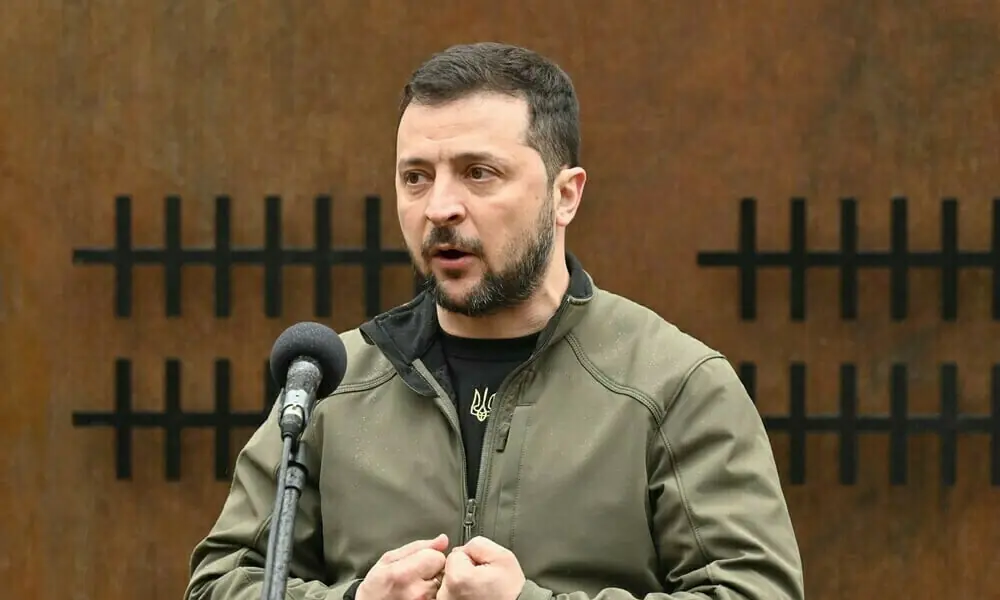
President Volodymyr Zelensky said on Tuesday that he is open to holding new elections in Ukraine once safety can be guaranteed, adding that Kyiv is preparing to send Washington an updated set of proposals aimed at resolving the nearly four-year war with Russia.
He explained that work on the revised document was continuing and that it should be submitted to the United States within a day after extensive consultations with European partners.
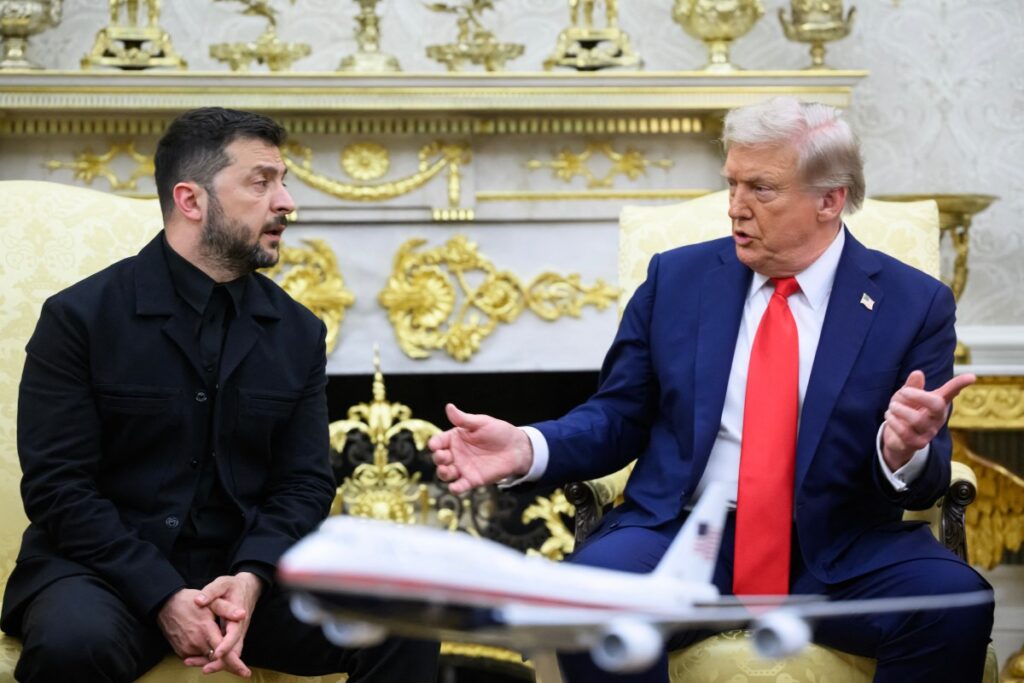
Washington has been urging Kyiv to accept a deal drafted by the US, though the first version drew criticism from Ukraine’s allies, who argued it leaned too heavily in Russia’s favour.
US President Donald Trump, who has repeatedly pushed Kyiv to adopt the proposal, claimed in an interview published on Tuesday that Russia currently holds “the upper hand” and accused Zelensky of failing to read the latest version. He also alleged that Kyiv was “using war” to avoid elections, which have been delayed under martial law since Russia launched its full-scale invasion.
Despite Ukrainian law preventing elections during martial law, a presidential vote that was supposed to take place in March 2024 was suspended—Zelensky said he is willing to move forward with a new ballot. He noted that he had asked Ukrainian lawmakers to begin drafting “proposals regarding the possibility of amending the legislative foundations and the law on elections during martial law”. However, he stressed that ensuring nationwide safety remained essential, given ongoing Russian missile and drone strikes.
Zelensky appealed directly to the United States and European partners to help establish conditions that would make voting possible, saying this support was vital at a time when Ukrainian cities face relentless attacks.
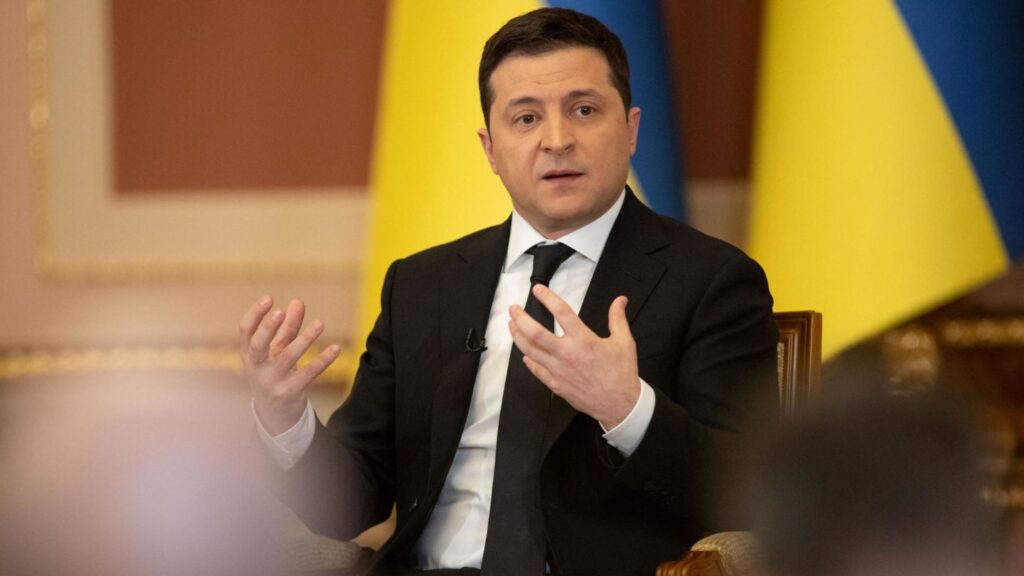
In recent days, the Ukrainian leader has travelled across Europe to refine Kyiv’s response to Washington’s plan. After holding meetings in London and Brussels on Monday, he visited Italy on Tuesday for discussions with Pope Leo XIV and Prime Minister Giorgia Meloni. He revealed that Washington’s original 28-point framework had been reduced to 20 points after intensive talks, with major disagreements persisting over territorial concessions and security guarantees.
Zelensky made it clear that Kyiv cannot—legally or morally—surrender territories Russia has not seized, including the entire Donbas region, which the US plan reportedly suggests handing over. He said the central issue now is determining how far Ukraine’s partners are prepared to go if Russia launches further aggression, emphasizing that Kyiv has not yet received clear commitments.
While Zelensky reiterated Ukraine’s stance, Russian President Vladimir Putin used a televised event on Tuesday to describe Donbas as Russia’s “historical territory” and insisted on its importance for Moscow.
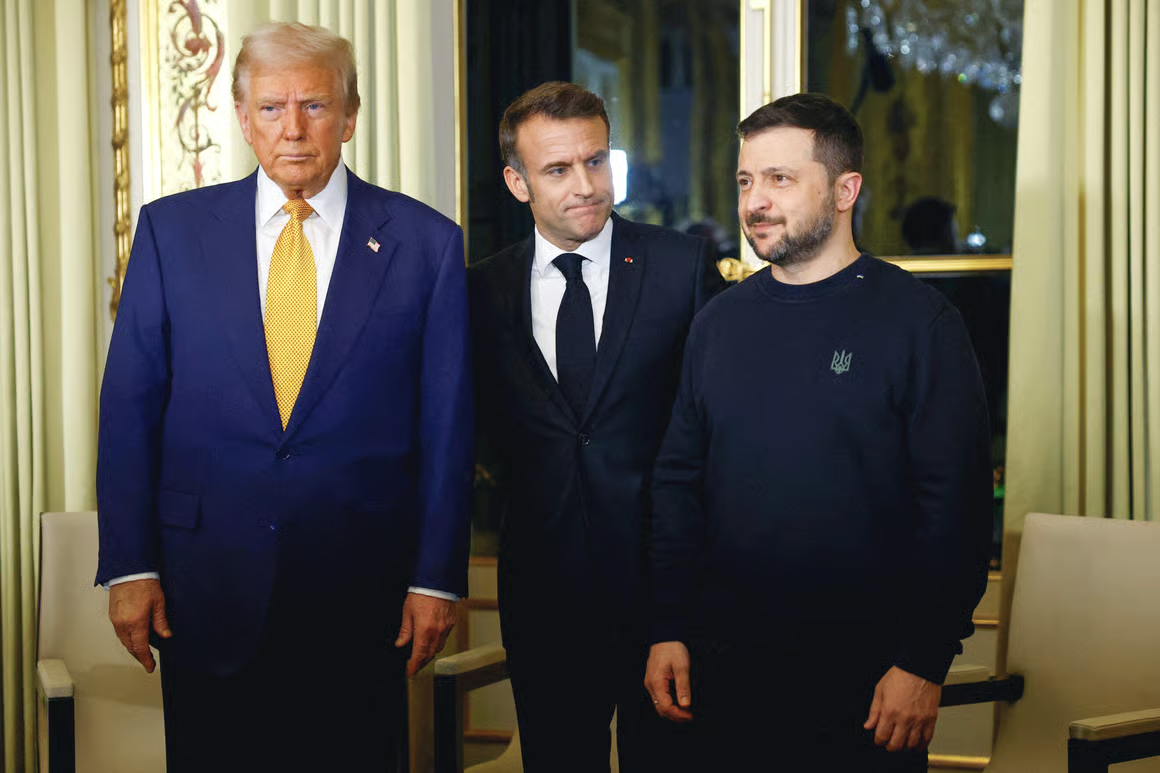
Trump, meanwhile, has shifted his tone on Ukraine since returning to office. Although initially critical of Zelensky, he has also shown frustration over the lack of progress in persuading Putin to end the conflict. He recently imposed additional sanctions on Russian oil companies, even as he criticised Europe’s contribution to the broader effort, accusing European states of failing to match their rhetoric with action.
European leaders reaffirmed their support for Ukraine. Pope Leo XIV, speaking after his meeting with Zelensky, warned against attempts to fracture the unity between Europe and its allies. He argued that any credible peace effort must include Europe in discussions, stressing that the war is being fought on European soil and that the continent has a necessary role in shaping future security guarantees.
What You Should Know
President Volodymyr Zelensky has signalled readiness to hold elections in Ukraine if safety can be assured, while Kyiv prepares an updated proposal for Washington on ending the war with Russia.
The United States is pressing Ukraine to accept a plan that critics say is too favourable to Moscow, particularly regarding territorial concessions. Zelensky has rejected any proposal involving surrendering Ukrainian land and has sought clarity from allies on future security guarantees.
As diplomatic negotiations continue, European leaders have stressed that they must be part of any discussion shaping post-war security.