Summary
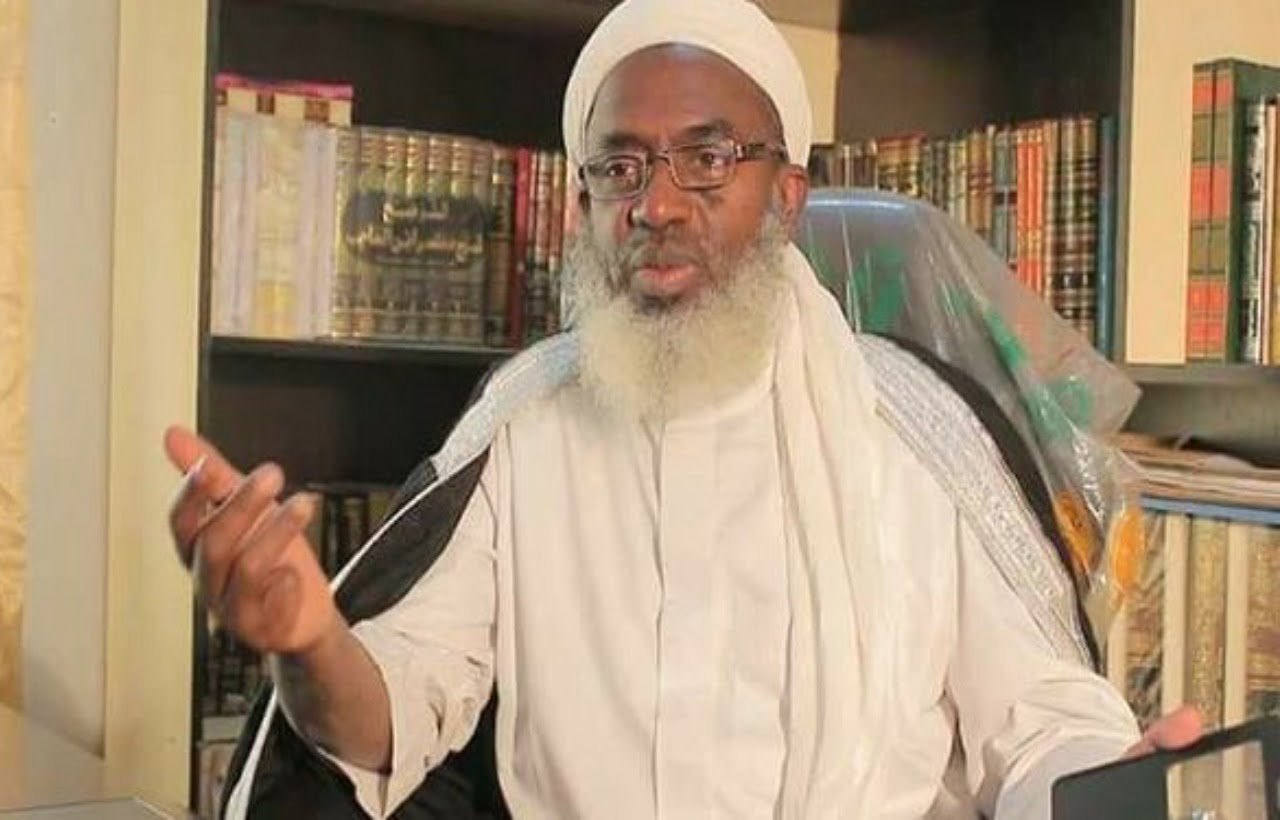
Islamic cleric Sheikh Ahmad Gumi has reiterated his stance on adopting a non-kinetic strategy to tackle Nigeria’s insecurity challenges, stating that he is willing to champion calls for the release of the convicted leader of the Indigenous Peoples of Biafra (IPOB), Nnamdi Kanu, if the separatist leader expresses remorse.
Kanu, who was convicted by the Federal High Court in Abuja on seven charges linked to terrorism, has remained in custody. But Gumi insisted that should the IPOB leader demonstrate regret for his past statements and actions, he would personally join those advocating for his pardon.
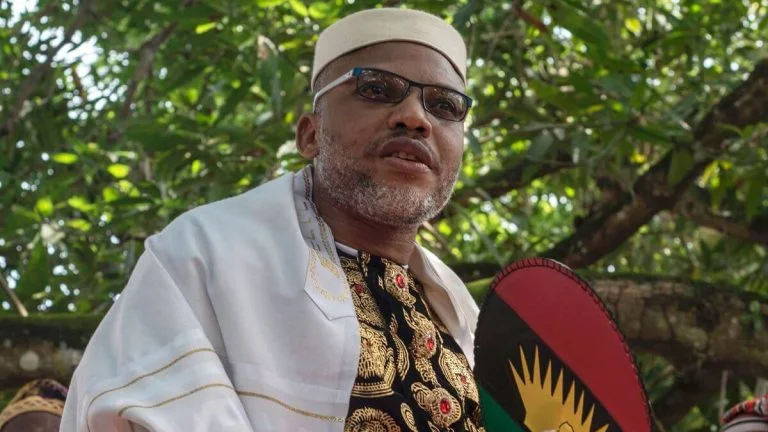
“This Kanu that was imprisoned for terrorism for agitating that our soldiers should be killed, if this same Kanu now will show remorse and also call for peace, honestly, I will be in the forefront in calling for his pardon and amnesty for him,” he said during Tuesday’s edition of Channels Television’s The Morning Brief.
He drew parallels with previous administrations, noting that Nigeria has a history of granting amnesty to individuals involved in violent agitation. “Look, Shagari, our president, we are from the same town. Shagari gave amnesty to Ojukwu. Look at Umar Yar’Adua; he gave amnesty to the Niger Delta militants, who have also committed acts of terrorism. So, this is how we are.”
Gumi, who has consistently advocated for dialogue-based solutions to insecurity—particularly in northern Nigeria—believes the nation stands to achieve more through engagement than through force.
According to him, when there are individuals or groups willing to embrace peace, it makes little sense to insist solely on military tactics. He questioned the country’s reliance on kinetic force, saying, “we have people who are ready to put down their arms, then why do you always decide it has to be kinetic?”
He argued that even powerful nations have struggled with similar conflicts. “Even America could not succeed in Afghanistan, even Israel could not succeed in a small strip of land. Our army is not designed for the gorilla; no army is designed for the kind of people we are showing now, no army is designed for it,” he said on the breakfast programme.
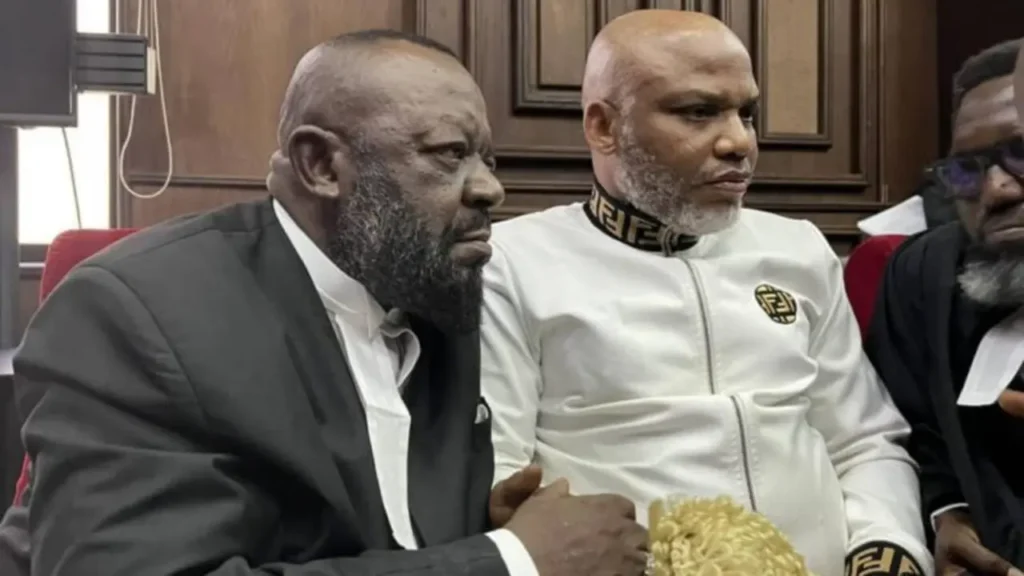
Gumi added that Fulani herdsmen have repeatedly shown willingness to engage in peace talks, though they often arrive armed for various reasons. “If you have been following, the Fulani herdsmen have been calling for peace. When you call them for peace, they come with their guns for many reasons,” he said.
He contrasted this with other groups, asking whether similar dialogue efforts could even be extended to the IPOB movement or Boko Haram. “Can you call IPOB for peace? Can you call Boko Haram? I think the former president has called for peace, and they came, but now it’s difficult to call for peace again. So, anybody who inclines to peace. I’m with him, I’m telling you.”
His remarks come amid rising insecurity across the country. In recent weeks, mass kidnappings targeting schoolchildren and worshippers have occurred in several states, sparking widespread worry over national safety.
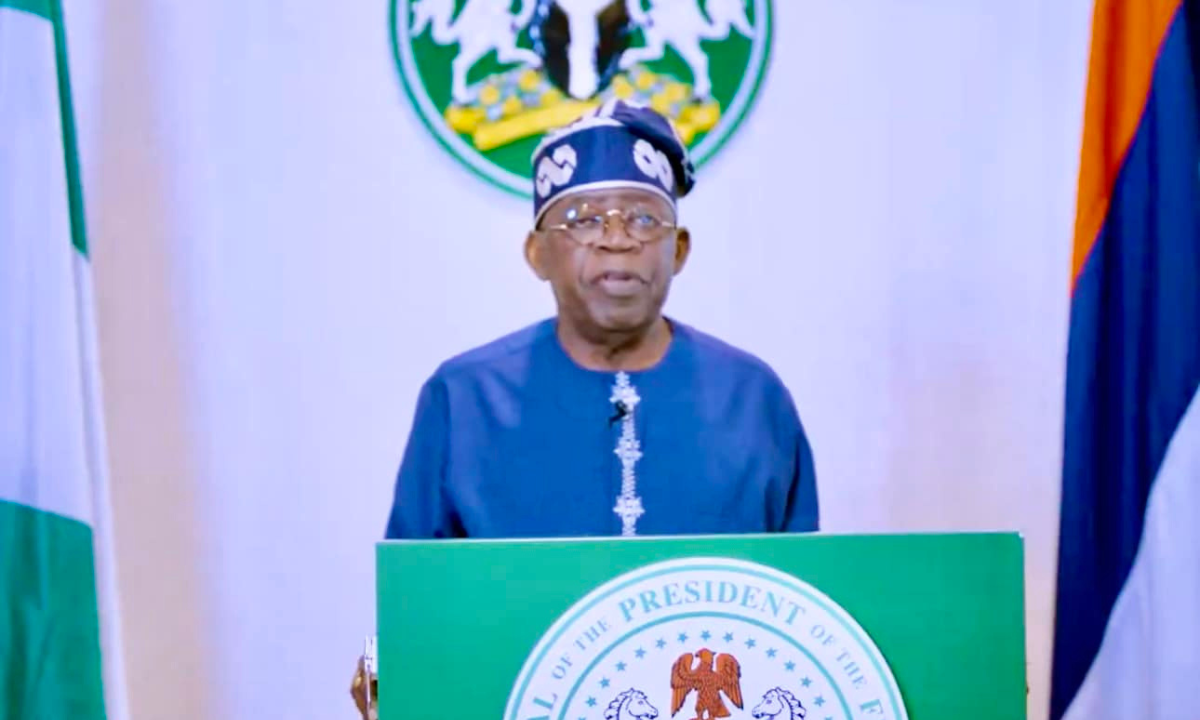
Although President Bola Tinubu has directed security forces to pursue the perpetrators, critics from the opposition have described the government’s actions as insufficient in addressing the crisis.
What You Should Know
Sheikh Ahmad Gumi’s latest comments reinforce his long-standing belief that Nigeria’s security challenges require dialogue, reconciliation, and non-military methods.
By indicating that he would support a pardon for Nnamdi Kanu if he expresses remorse, Gumi places emphasis on peacebuilding over punishment.
His stance aligns with Nigeria’s past use of amnesty to reintegrate agitators and reflects ongoing national debates about the best path to resolving persistent insecurity.