Summary
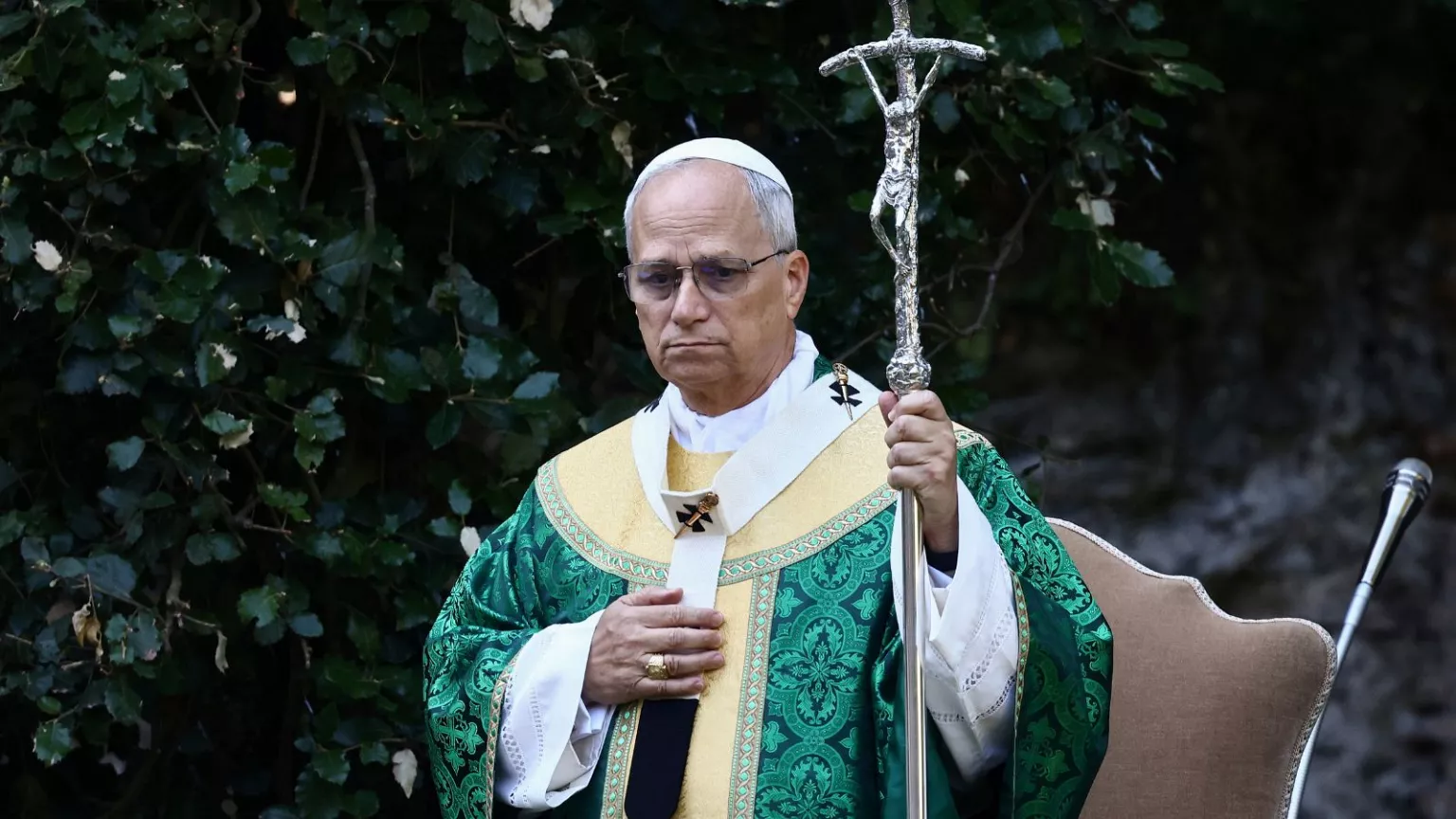
Pope Leo XIV sets out on his first international journey on Thursday, heading to Turkey and Lebanon in an effort to foster Christian unity and encourage renewed peace initiatives amid escalating tensions in the Middle East.
The six-day visit marks the first major global assignment for the US–born pontiff, elected in May, whose calm and discreet approach stands in contrast to the dynamic and spontaneous style of his predecessor, Pope Francis.
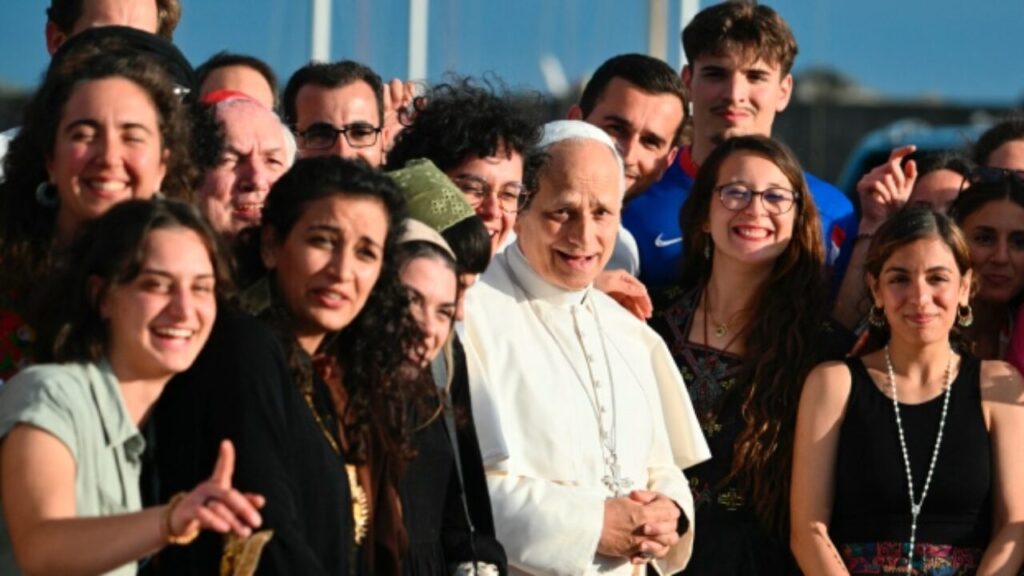
While in Turkey, Leo will commemorate the 1,700th anniversary of the historic Council of Nicaea, where the foundational Christian “Creed” was established. Though his trip has drawn limited attention in the predominantly Muslim nation, where Christians make up just 0.2 percent of the population, anticipation is high in Lebanon.
Lebanon, often seen as a symbol of religious coexistence, has endured a series of crises since 2019, including a severe economic collapse, widespread poverty, the catastrophic 2020 Beirut port explosion, and the recent conflict with Israel.
“The Lebanese are tired,” said Vincent Gelot, director of the Lebanon and Syria office for l’Oeuvre d’Orient, a Catholic organisation supporting Middle Eastern Christians. He noted that citizens expect the pope to send a clear message to the country’s leaders and back it with meaningful action.
Preparations are intensifying across the sites scheduled for the pope’s visit, with banners reading “Lebanon wants peace” displayed along freshly renovated roads. Lebanon’s ambassador to the Holy See, Fadi Assaf, described the trip as “exceptional,” noting that it will draw global attention to the country’s challenges and potentially inspire political and economic progress.
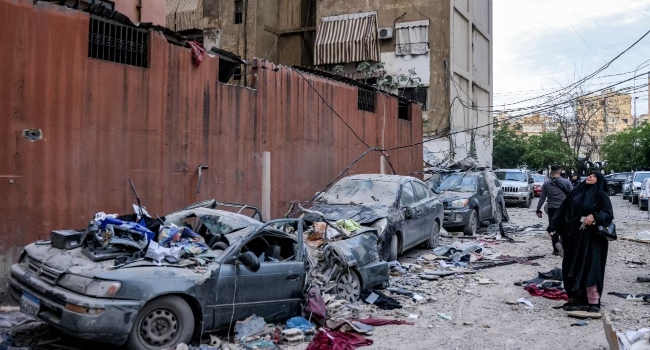
According to Gelot, many Lebanese feel trapped in “a vicious cycle of wars and suffering,” living with “dashed hopes” and deep uncertainty. While they know the visit cannot solve all issues, it highlights the critical role of private and religious institutions that continue providing essential health and education services, including the Franciscan-run psychiatric hospital the pope will tour.
Key stops include a gathering with Lebanese youth, a massive outdoor mass projected to draw around 100,000 attendees, and a solemn prayer at the site of the Beirut port disaster, which claimed more than 220 lives.
Media coordinator Abdo Abou Kassem said the pope also aims to underscore Lebanon’s importance “as… a model for both East and West” through an interfaith meeting in downtown Beirut.
In Turkey, a country positioned between Europe and Asia, the pope will continue advancing the Church’s engagement with Islam. He is scheduled to meet President Recep Tayyip Erdogan in Ankara on Thursday and visit Istanbul’s famed Blue Mosque on Saturday.
A major focus of the trip is the commemoration of the Council of Nicaea. Pope Leo was invited by Patriarch Bartholomew I, the global spiritual leader of Orthodox Christianity. The gathering reflects a moment predating the major schisms that separated Christian traditions between East and West and serves as an opportunity to reinforce unity.
On Friday, along the shores of Lake Iznik, the modern name for ancient Nicaea, Leo will take part in a prayer service with leaders from several Orthodox churches, fulfilling plans originally intended for his late predecessor.
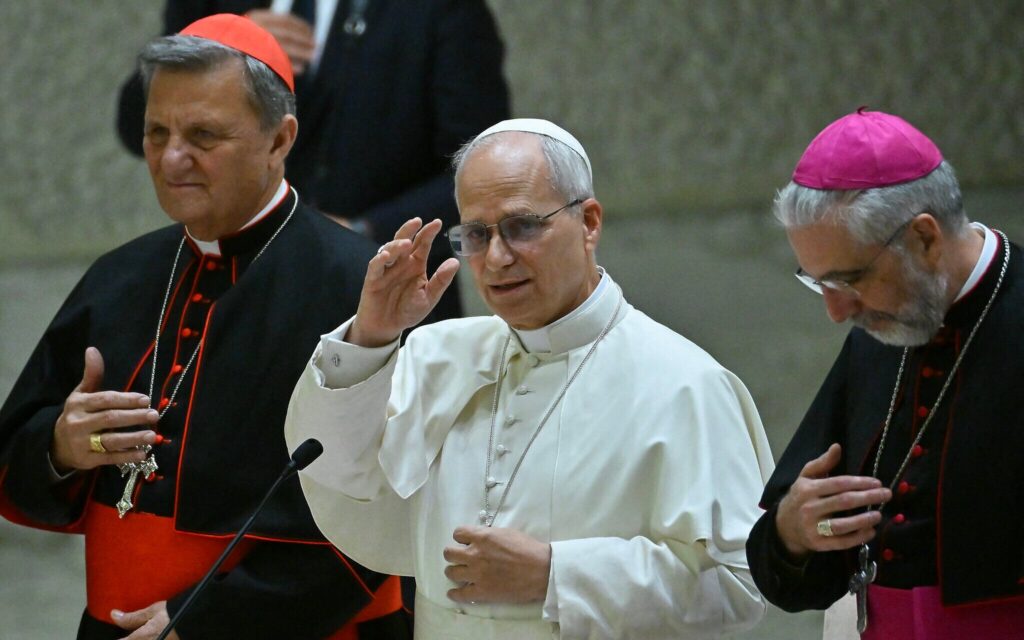
However, one prominent figure will not be present. With the ongoing war in Ukraine deepening divisions between the Moscow and Constantinople patriarchates, Russian Patriarch Kirill, a strong ally of President Vladimir Putin, was not invited. The pope is expected to tread carefully to avoid further friction with Moscow, which remains wary that the Vatican could strengthen Constantinople’s influence at its expense.
What You Should Know
Pope Leo XIV’s first international trip comes at a moment of deep crisis across the Middle East, particularly in Lebanon, where years of conflict and economic turmoil have strained communities and institutions.
His visit highlights ongoing efforts to bridge Christian divisions, promote interfaith harmony, and encourage peace in a region grappling with instability.
While symbolic in many ways, the journey also seeks to uplift local communities and reinforce the Church’s diplomatic role on the global stage.