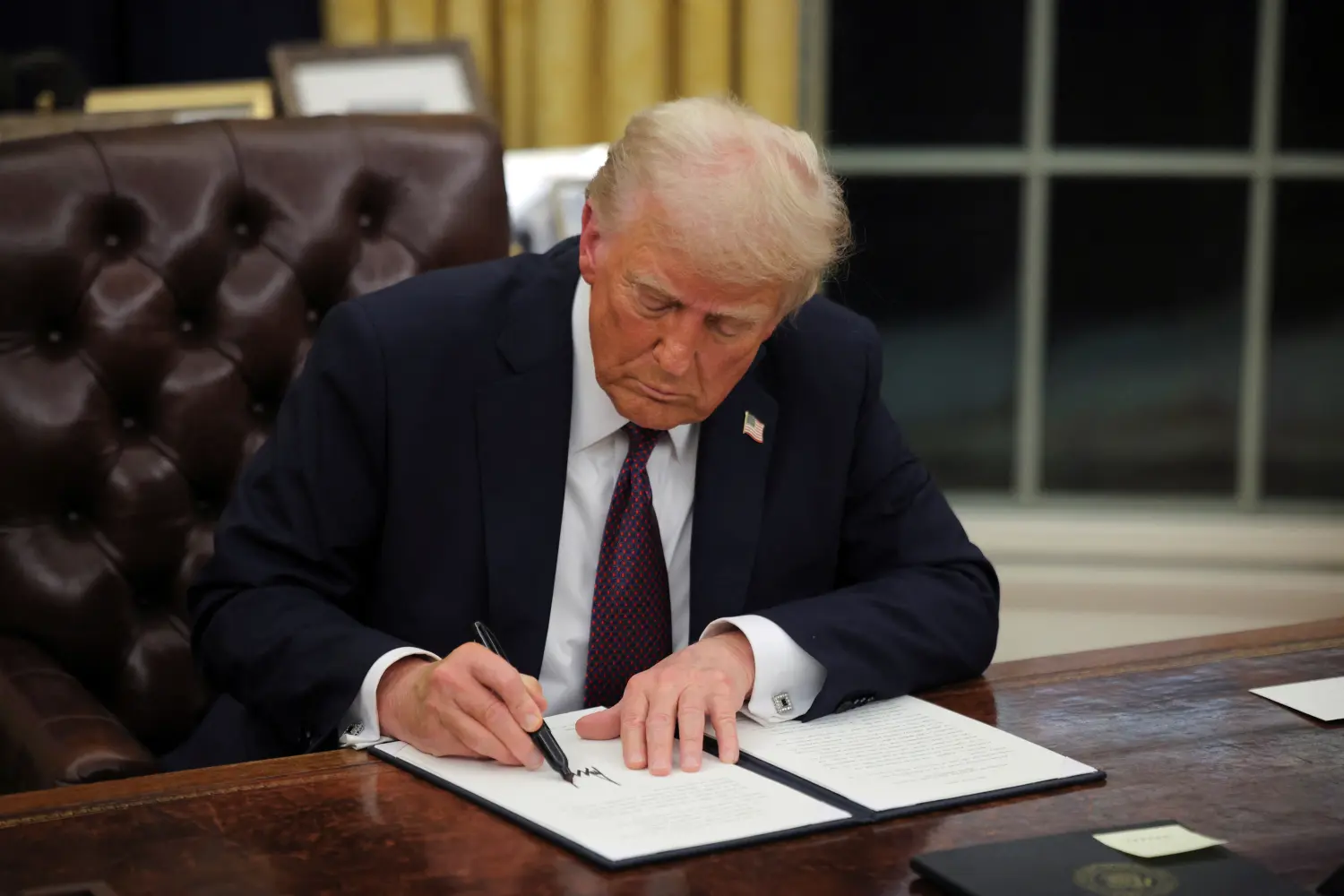
US President Donald Trump signed legislation on Wednesday mandating the release of government records concerning convicted sex offender Jeffrey Epstein, igniting debate over whether the administration will allow complete transparency or attempt to limit public access.
Trump surprised Washington over the weekend by abandoning months of opposition to the Epstein Files Transparency Act, ensuring it passed Congress on Tuesday with uncommon bipartisan support.
The Republican President, a former acquaintance of Epstein, shared on social media late Wednesday that he had signed the bill, avoiding any ceremonial fanfare.
However, insiders caution that even with the President’s approval, the administration could employ redactions, procedural obstacles, or ongoing federal investigations to restrict access to sensitive materials.
“Once the President signs the bill, he must apply and execute it faithfully. There must be no funny business from Donald Trump,” top Democrat Chuck Schumer said on the Senate floor.
“He must not use the excuse of frivolous investigations to release some Epstein documents, while intentionally hiding others that deserve to be seen by the American public,” he added.
Trafficking Allegations
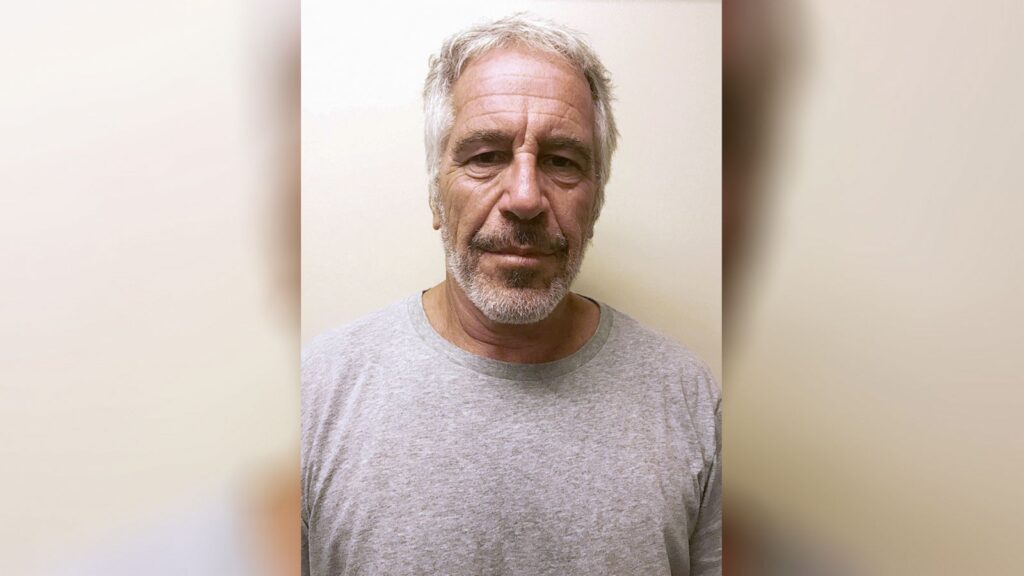
Epstein, a wealthy financier, operated in elite circles for years, cultivating relationships with business leaders, politicians, academics, and celebrities, while allegedly trafficking girls and young women for sexual exploitation.
Trump and his supporters long promoted claims that powerful Democrats were shielded from scrutiny in connection with Epstein, portraying the case as an emblem of how influential men can exploit wealth, lawyers, and connections to evade accountability.
Trump’s own longstanding association with Epstein has fueled speculation about what he knew regarding the controversial figure.
The scandal eroded public confidence in the US justice system, with many questioning whether key elements were deliberately withheld or ignored.
Epstein’s arrest in 2019 generated widespread outrage and demands for a complete disclosure of his financial network, contacts, and accomplices.
Conspiracy theories intensified following his death, ruled a suicide, in a New York jail shortly after his arrest.
Legislative Action and Potential Hurdles

The passage of the Epstein Files Transparency Act carried strong emotional significance, with survivors of abuse present in the House gallery to witness the vote, hugging and cheering its passage.
The move served as a sharp critique of Trump and House Speaker Mike Johnson, who had sought to prevent disclosure.
Johnson had remarked he would “cross that bridge” when asked whether he would encourage Trump to veto the measure.
Trump initially warned House Republicans against supporting the bill but reversed course to avoid facing what could have been the most significant rebellion of his presidency.
Under the law, the Justice Department must make unclassified files available online within a month, providing a searchable collection of transcripts, flight logs, and communications that could reveal previously unknown names and links.
The legislation allows only limited exceptions for personal information and legitimate legal or security concerns.
Analysts, however, question whether officials will fully comply, citing ongoing investigations, including one recently ordered by Trump into Epstein’s connections with Democrats.
“(This) might be a big smoke screen, these investigations, to open a bunch of them as a last-ditch effort to prevent the release of the Epstein files,” Kentucky Republican Thomas Massie, who championed the House vote, told ABC News.
The Justice Department and FBI stated in July that their review of the files had revealed no evidence warranting further action. It remains unclear whether Trump’s latest probe will impede disclosure.
Attorney General Pam Bondi, when asked about the rationale for the new investigation, cited “new information, additional information.”
“If there are any victims, we encourage all victims to come forward. And we will continue to provide maximum transparency under the law,” she told reporters.
What you should know
President Trump’s signing of the Epstein Files Transparency Act represents a significant step toward public access to government records regarding Jeffrey Epstein, though questions linger about whether all information will be released.
The bill requires unclassified files to be posted online, but redactions, procedural delays, or ongoing investigations may limit full disclosure. Epstein’s history of trafficking, ties to powerful figures, and the controversy surrounding his death have fueled public scrutiny.
Bipartisan support in Congress and pressure from survivors reflect the urgency of accountability, while critics warn that Trump’s personal connections and new probes could affect the law’s effectiveness in revealing the full scope of Epstein’s network.