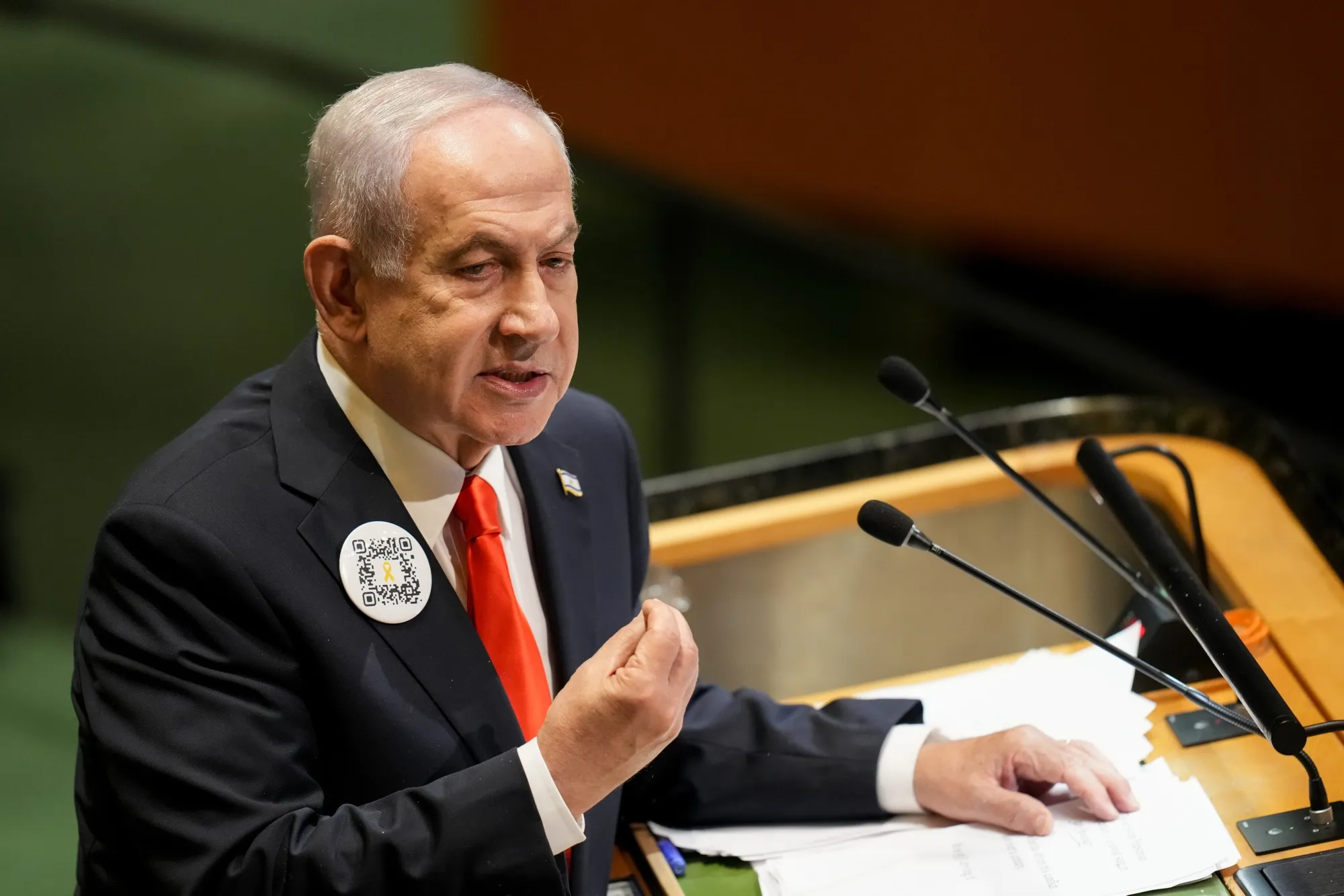
Israeli Prime Minister Benjamin Netanyahu and senior members of his government have doubled down on their rejection of a Palestinian state as the UN Security Council prepares to vote Monday on a resolution endorsing a US-backed Gaza peace plan.
The draft resolution—designed to advance the ceasefire agreement between Israel and Hamas brokered by US President Donald Trump—would give international legitimacy to a transitional administration in Gaza and establish a temporary international security force to stabilize the war-torn enclave.
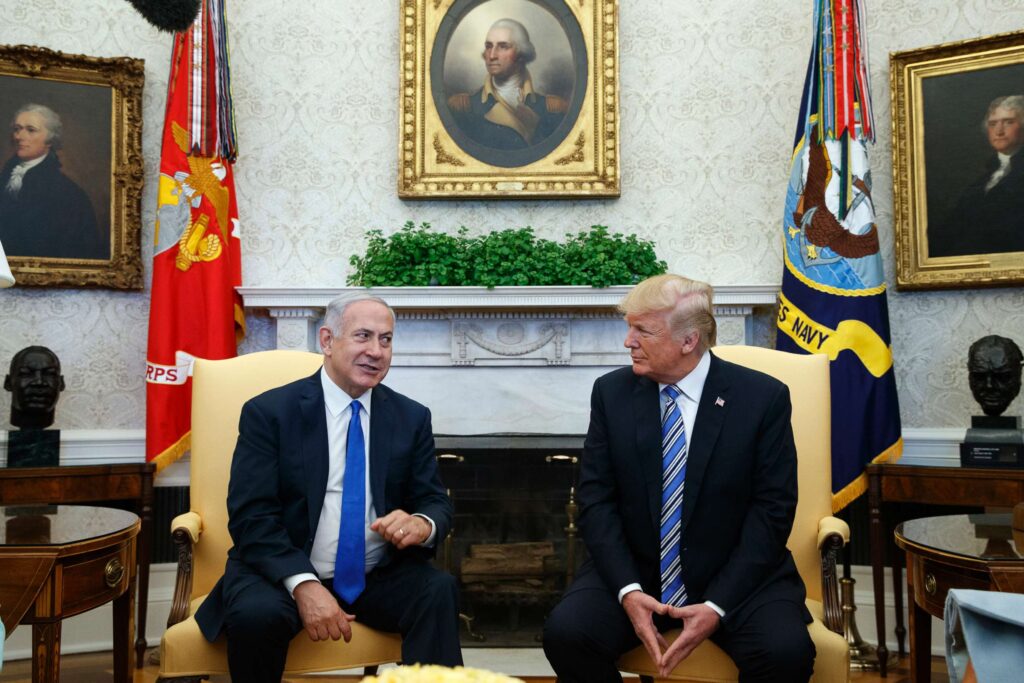
In a significant shift from earlier drafts, the latest version explicitly references the prospect of a future Palestinian state. That inclusion has drawn fierce resistance from Israel’s leadership, which warns it will not accept any arrangement that opens the door to Palestinian statehood.
“Our opposition to a Palestinian state on any territory has not changed,” Netanyahu insisted during a cabinet meeting on Sunday.
His affirmation came amid criticism from coalition partners, including far-right Finance Minister Bezalel Smotrich, who claimed the prime minister had not sufficiently countered a recent uptick in diplomatic recognitions of Palestinian statehood by Western nations.
“Formulate immediately an appropriate and decisive response that will make it clear to the entire world—no Palestinian state will ever arise on the lands of our homeland,” Smotrich wrote on X, pressuring Netanyahu to take a harder stance.
Netanyahu pushed back sharply, saying he did “not need affirmations, tweets, or lectures from anyone.”
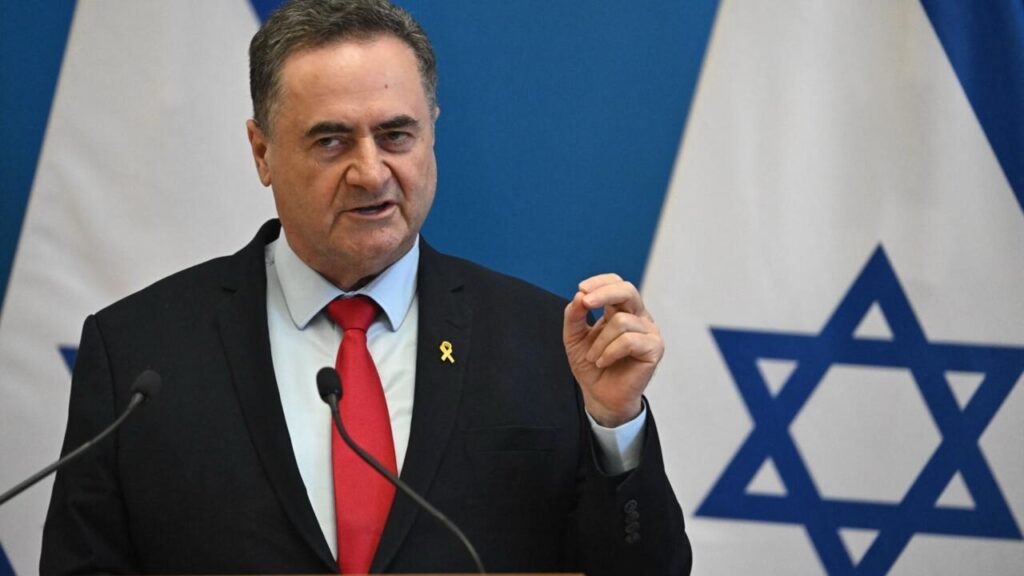
Other ministers echoed the message.
Defence Minister Israel Katz declared on X that “Israel’s policy is clear: no Palestinian state will be established,” while Foreign Minister Gideon Saar insisted the country would “not agree to the establishment of a Palestinian terror state in the heart of the Land of Israel.”
National Security Minister Itamar Ben Gvir, known for his far-right rhetoric, escalated the rhetoric further by dismissing Palestinian identity itself as an “invention.”
Monday’s UN vote is expected to trigger the second phase of the Trump-brokered peace deal, which brought an end to two years of conflict that began after Hamas’s October 7, 2023 attack.
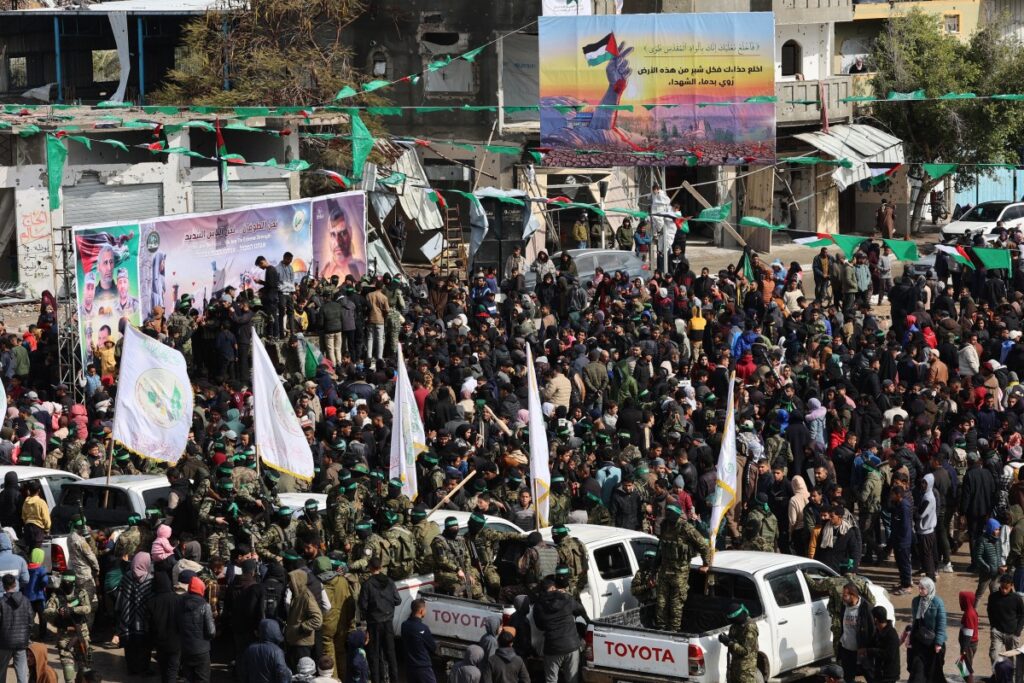
Under the first phase of the agreement, Hamas released the final group of 20 surviving Israeli hostages and nearly all 28 deceased captives.
In return, Israel freed nearly 2,000 Palestinian prisoners and handed over 330 bodies to Palestinian authorities.
What You Should Know
Israel’s political leadership is united—across its coalition—in opposing any step that hints at Palestinian statehood, even in the context of an internationally backed peace plan.
The upcoming UN Security Council vote represents a crucial moment in the implementation of the Trump-brokered ceasefire, one that could shape Gaza’s governance and security for years.
Despite global momentum toward recognizing Palestinian statehood, Israel’s government remains firmly committed to preventing it, setting up potential diplomatic confrontations as the peace process moves forward.