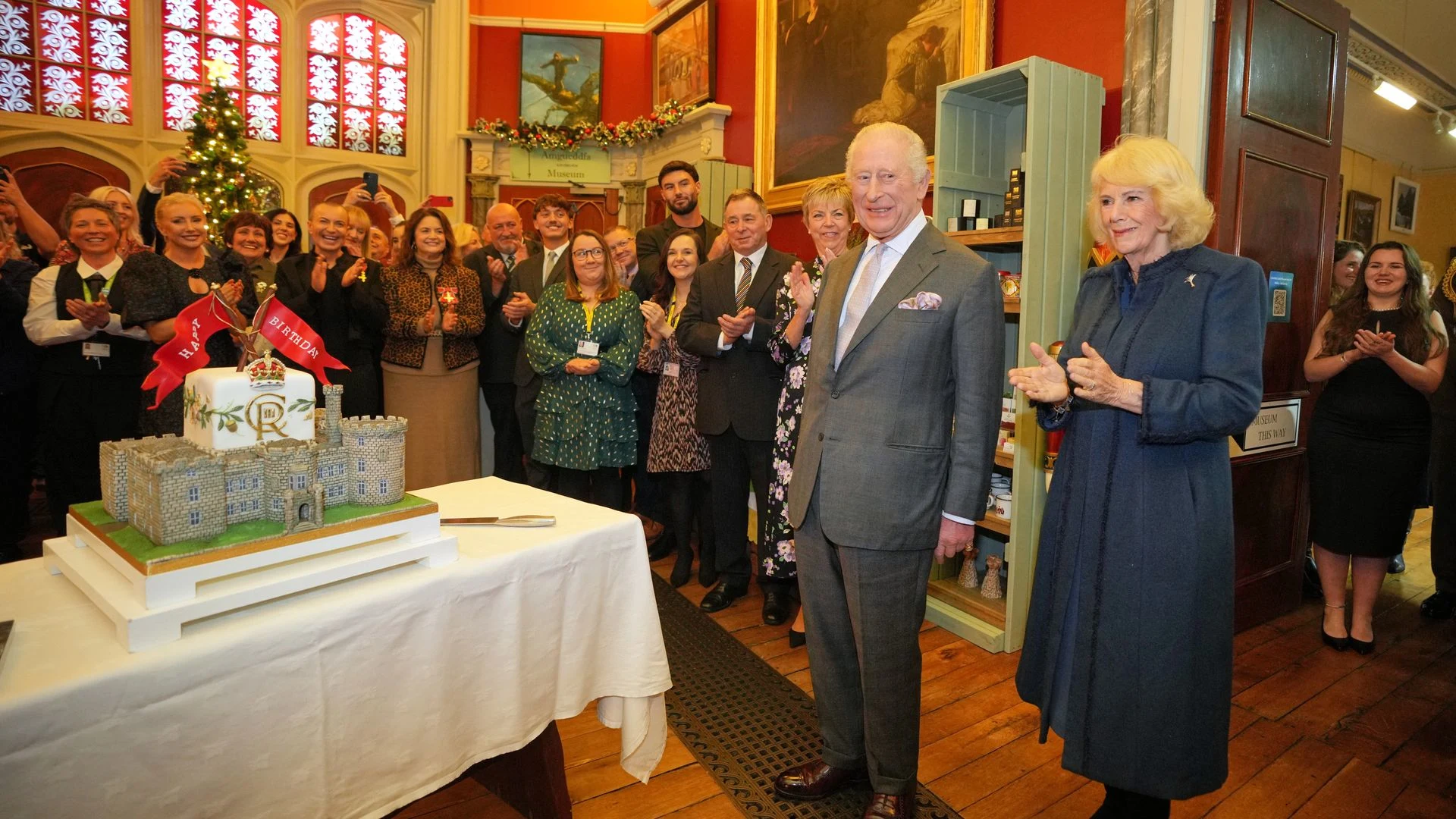
King Charles III celebrated a notably active 77th birthday on Friday, signalling once again his determination to keep fulfilling royal duties even as he continues treatment for cancer.
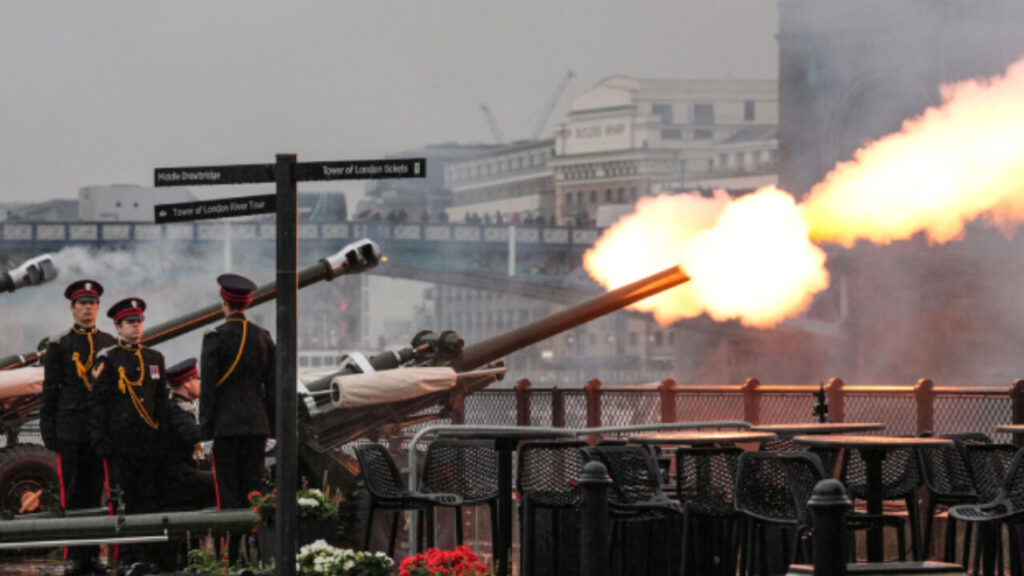
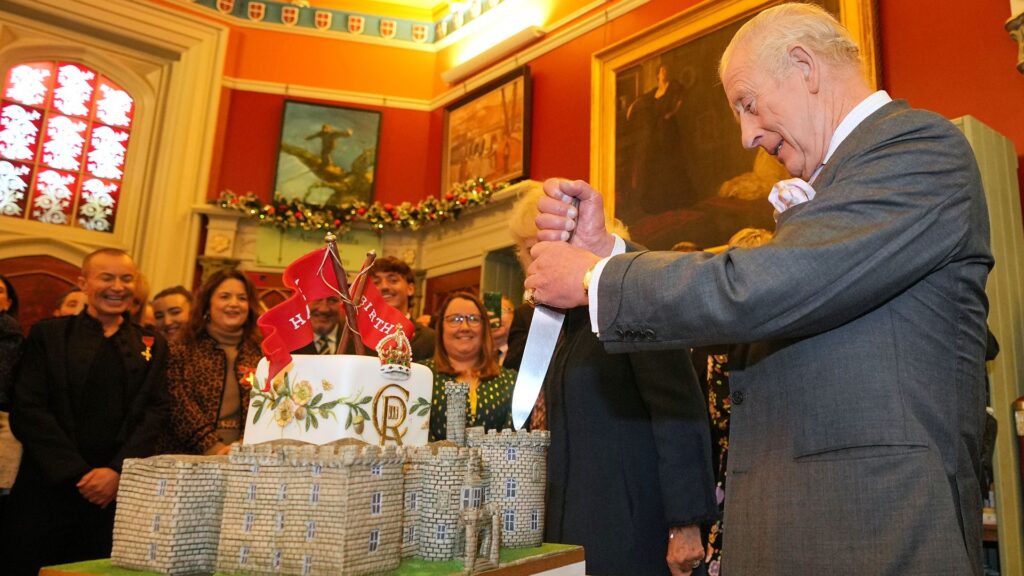
Across London, traditional gun salutes echoed in his honour, while the King travelled to South Wales—braving wet weather—to officially open a new train depot. Later in the day, he and Queen Camilla received guests at a special event commemorating the 200th anniversary of Cyfarthfa Castle, a landmark widely regarded as one of Wales’ treasured historical sites.
Since returning to public engagements after disclosing his cancer diagnosis in February 2024, the monarch has maintained a demanding schedule. His first major outing after the announcement took him to a London cancer centre, where he met others facing similar health challenges and spoke openly about the “shock” that accompanies such a diagnosis.
From that moment, Charles has kept a consistent pace, including presiding over a grand state visit by US President Donald Trump at Windsor Castle in September—an event marked by all the ceremonial splendour expected of the British monarchy.
‘Living With Cancer’
Although most of his commitments remain within the United Kingdom, the King has continued to travel abroad when necessary. Just last month, he and Queen Camilla visited the Vatican, where Charles participated in a historic joint prayer session with Pope Leo XIV.
Royal author Robert Jobson, reflecting on the King’s condition, noted the palace’s careful language. “What they say is ‘he’s living with cancer’. They don’t say anything other than that. We can’t know any more than that,” he explained. He added that this phrasing does not confirm remission but praised the King’s dedication, remarking that it would be unrealistic to expect him to be “100 per cent fit”.
Known throughout his life for an intense work ethic, Charles reportedly pushed to resume duties quickly. Still, a few personal routines have shifted. One long-standing habit—skipping lunch—has apparently been abandoned on medical advice.
Queen Camilla, speaking to the BBC during their Vatican visit, emphasised the King’s passion for his responsibilities, saying the work “keeps him going”. She added that recovery has only fuelled his drive, noting that “he wants to do more and more and more”.
A Growing Challenge Around Prince Andrew
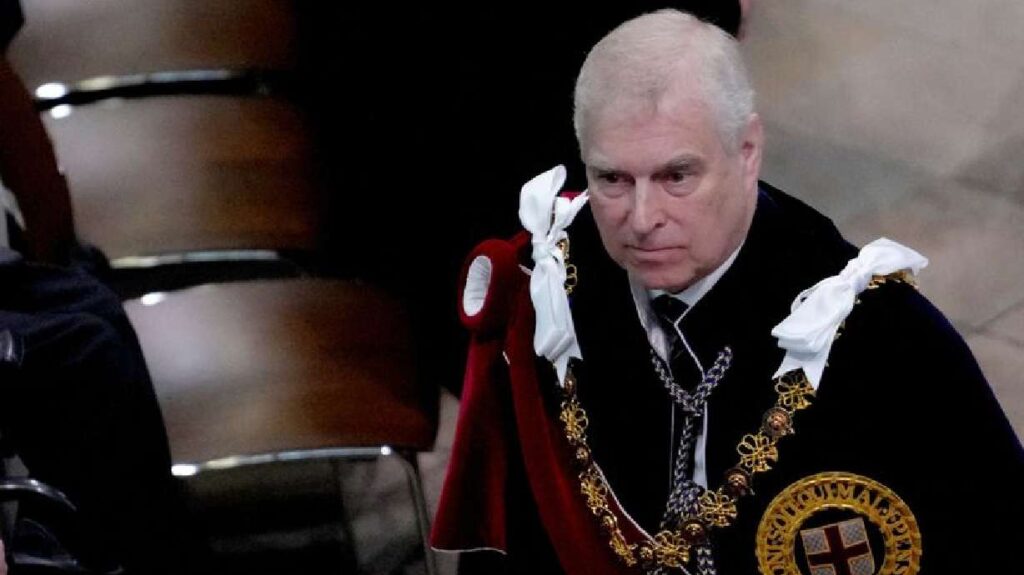
While Charles’ return to duty has been largely seamless, managing other members of the royal family has presented challenges. The rift with his younger son, Prince Harry, continues to cast a shadow, and new complications have arisen involving Prince Andrew.
In an effort to shield the monarchy from further fallout linked to Andrew’s association with US sex offender Jeffrey Epstein, Charles recently removed his brother’s prince title. As part of the measures, Andrew was also instructed to vacate his residence on the Windsor estate. Yet with Epstein-related material still emerging in the United States, the decision is unlikely to close the chapter entirely.
Amid these developments, additional senior royals have begun stepping forward to support the King’s workload during his treatment. Prince William, the heir apparent, travelled to Brazil earlier this month for his annual Earthshot Prize ceremony, which awards £1 million ($1.3 million) to five innovative environmental initiatives. Like his father, William has long championed environmental causes, though he has also made it clear that family time with Catherine and their children—George, 12; Charlotte, 10; and Louis, seven—remains a priority.
Yet in a recent interview, the prince signalled a readiness for evolution in his role, stating that “change is on my agenda”.
What You Should Know
King Charles III, now 77, continues to balance the demands of monarchy with ongoing cancer treatment, maintaining a visible and active presence in public life.
His schedule remains steady, supported by Queen Camilla and increasingly by Prince William. At the same time, the King is navigating sensitive family issues, particularly concerning Prince Andrew, while managing expectations surrounding his health.
His commitment to duty, even amid personal challenges, remains central to the modern image of the British monarchy.