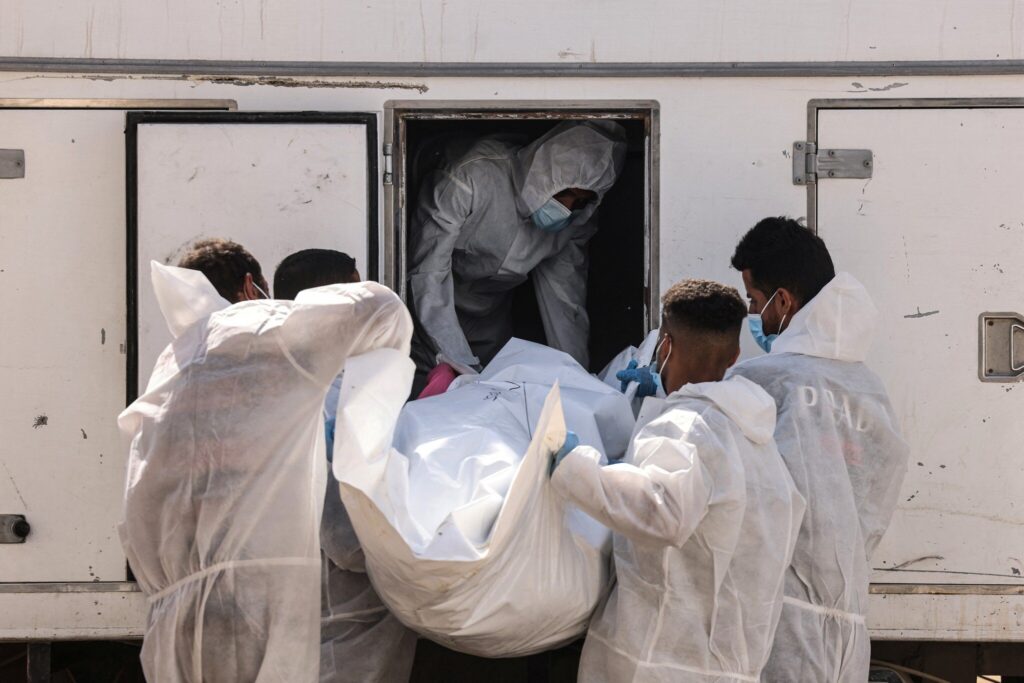
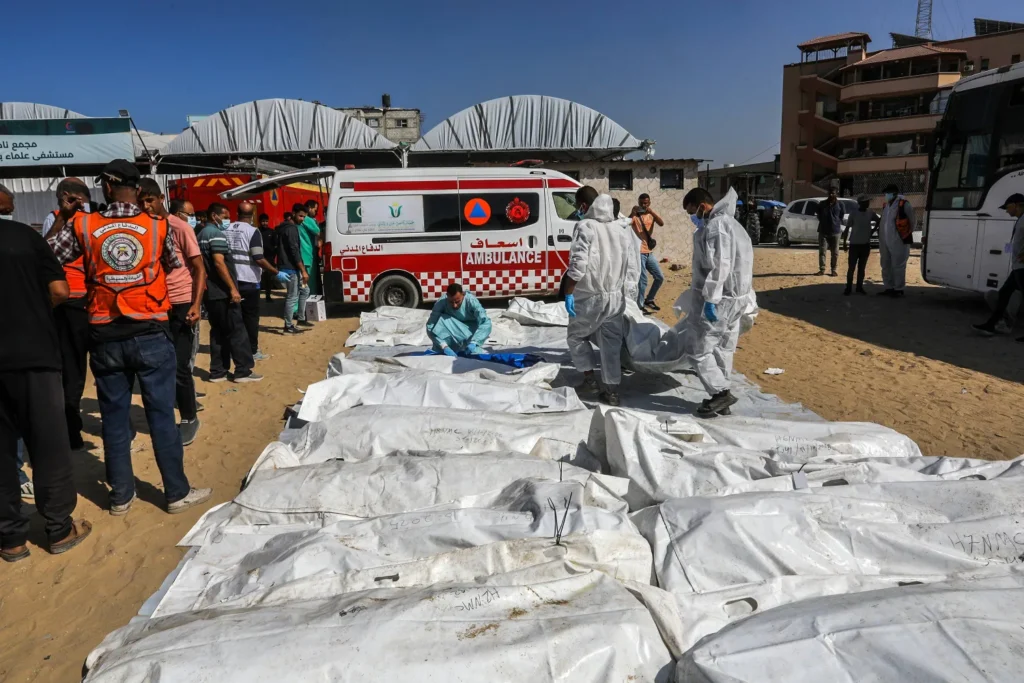
Gaza’s Nasser Hospital in Khan Yunis announced on Friday that it had received the bodies of 15 Palestinians as part of the US-brokered ceasefire agreement between Israel and Hamas.
In its statement, the facility disclosed that “15 bodies of Palestinian martyrs arrived at Nasser Medical Complex as part of the thirteenth batch of the body exchange deal, bringing the total number of bodies received to 330 martyrs.”
According to the terms of the truce, Israel is required to hand over the bodies of 15 Palestinians for every deceased Israeli returned. Overnight, Israeli authorities confirmed that militants had transferred the remains of Israeli hostage Meny Godard, who was killed at age 73 during the Hamas-led attacks of October 7, 2023.
Prime Minister Benjamin Netanyahu’s office said the military had notified Godard’s family that “their loved one has been returned to Israel and that his identification has been completed.”
When the truce began on October 10, Hamas held 20 surviving hostages and 28 bodies of Israelis who had died in captivity. Since then, the group has released all living captives and returned the remains of 25 deceased hostages as outlined in the ceasefire arrangement.
In return, Israel has released nearly 2,000 Palestinian detainees and transferred the bodies of hundreds of Palestinians who had been held in its custody.
Israel has repeatedly accused Hamas of delaying the return of remaining bodies, while the Palestinian group maintains that the process has been hindered by the difficulty of recovering remains buried under Gaza’s widespread destruction after nearly two years of war.
What You Should Know
This latest exchange highlights the complex and emotionally charged nature of the Israel–Hamas ceasefire deal, which includes both hostage releases and the return of bodies.
Nasser Hospital has now received 330 Palestinian bodies under the arrangement, while Hamas has handed over all surviving hostages and most deceased Israelis in its possession. Israel’s release of thousands of prisoners and remains marks one of the largest exchanges in years.
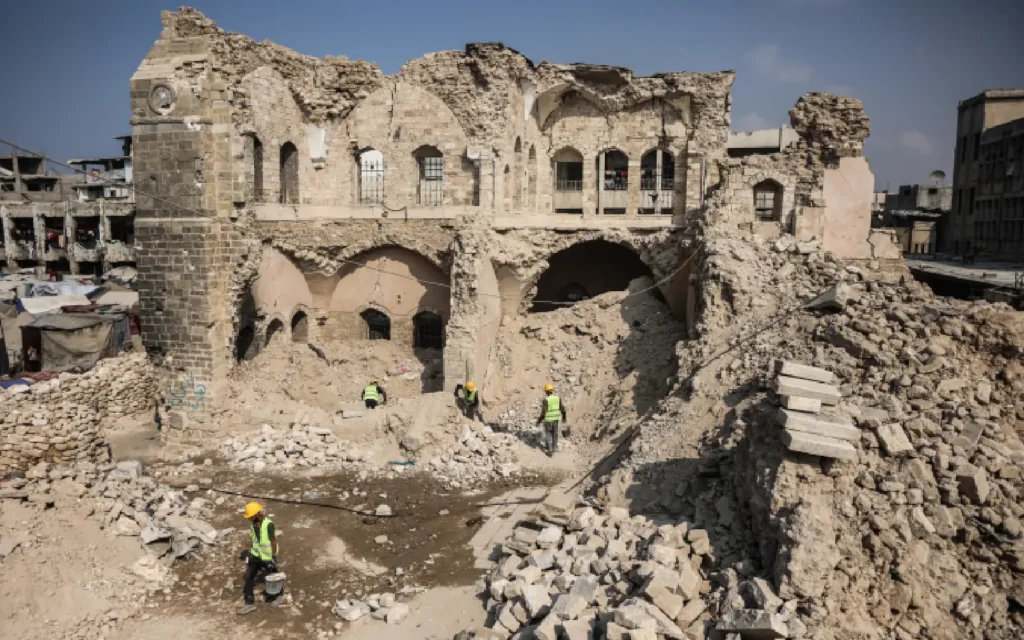
The slow pace of retrieving some bodies reflects the extensive devastation across Gaza, where many casualties remain trapped beneath collapsed buildings after prolonged conflict.