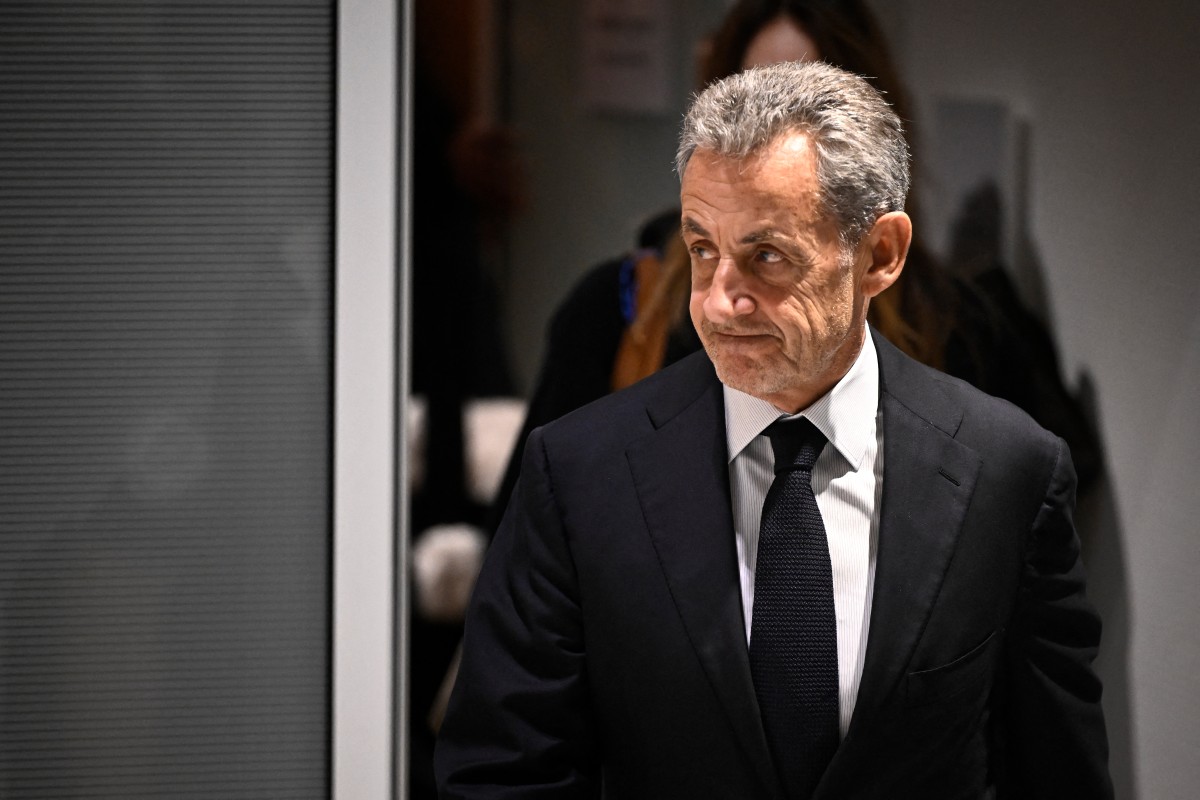
Former French president Nicolas Sarkozy was ordered to be released from prison on Monday after a judge approved his request for freedom pending an appeal hearing in the high-profile case involving alleged Libyan campaign funding.
Prosecutors had earlier in the day supported his release after 20 days in detention, which the 70-year-old described as a “nightmare.” Sarkozy, who served as France’s president from 2007 to 2012, had been sentenced in September to five years in prison for seeking funds from Moamer Kadhafi’s Libya to finance his 2007 presidential campaign.
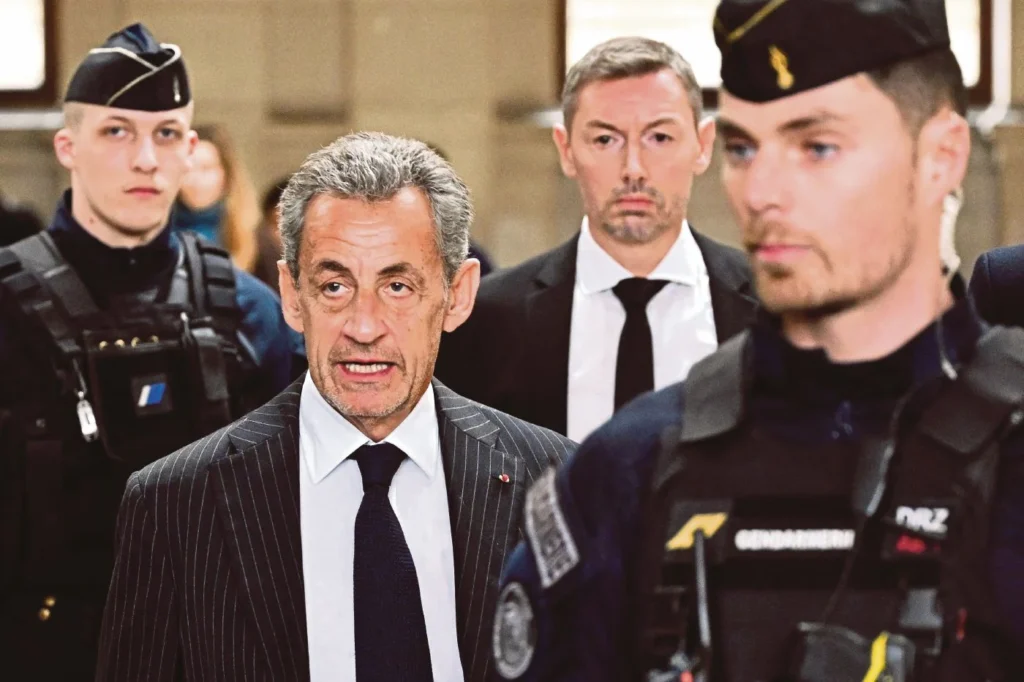
He began serving the sentence on October 21, becoming the first former head of a European Union member state to be imprisoned. His legal team promptly filed for his release, which the court granted on Monday, allowing him to leave La Santé prison in Paris later that day.
The appeal hearing is set for March, during which Sarkozy will once again be presumed innocent until proven otherwise. Appearing via video link during the court session, Sarkozy wore a dark blue jacket and was flanked by his lawyers. He described his time behind bars as “gruelling,” expressing gratitude to prison staff who had shown “exceptional humanity.”
“It’s hard, very hard, certainly for any prisoner. I would even say it’s gruelling,” he said. “They made this nightmare—because it is a nightmare—bearable.”
Prosecutor Damien Brunet urged the court to approve Sarkozy’s release under judicial supervision, citing “the risks of collusion and pressure on witnesses” as justification for the conditional freedom.
Sarkozy’s wife, singer and model Carla Bruni-Sarkozy, along with two of his sons, attended the hearing to show support. The lower court’s decision in September had initially required that Sarkozy remain in custody, citing the “exceptional gravity” of the offense, but the appeal process reinstated his presumption of innocence.
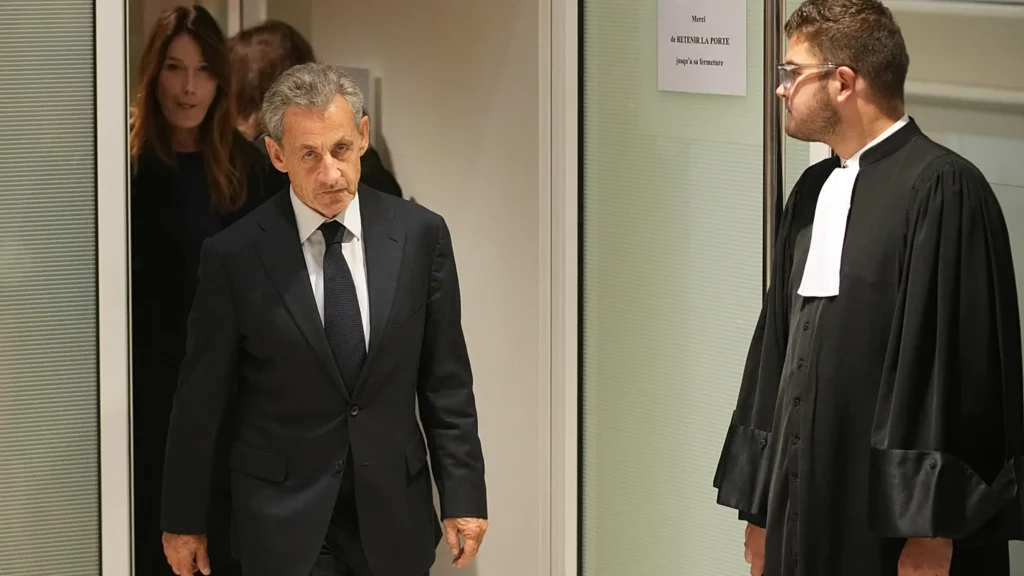
In La Santé prison, Sarkozy was housed separately from the general inmate population, with two bodyguards in adjacent cells to ensure his safety—a measure criticized by prison wardens but defended by Interior Minister Laurent Nunez, who cited Sarkozy’s “status” and “security threats.”
Reports indicate Sarkozy received a flood of letters, postcards, and small gifts from supporters during his detention, with one social media post showing stacks of correspondence and messages of encouragement. The day he entered prison, crowds gathered outside his home, singing the national anthem and urging him to “come back quick.”
Sarkozy is the first French leader to serve time in prison since Philippe Pétain, the World War II collaborationist who was jailed after the war. His incarceration has renewed public debate about political accountability in France.
Sarkozy’s legal troubles have persisted since leaving office in 2012. He has already been convicted in two other cases: one involving corruption, for which he served a house arrest sentence under electronic monitoring, and another over alleged illegal campaign financing in 2012. France’s top court is set to rule on that case later this month.
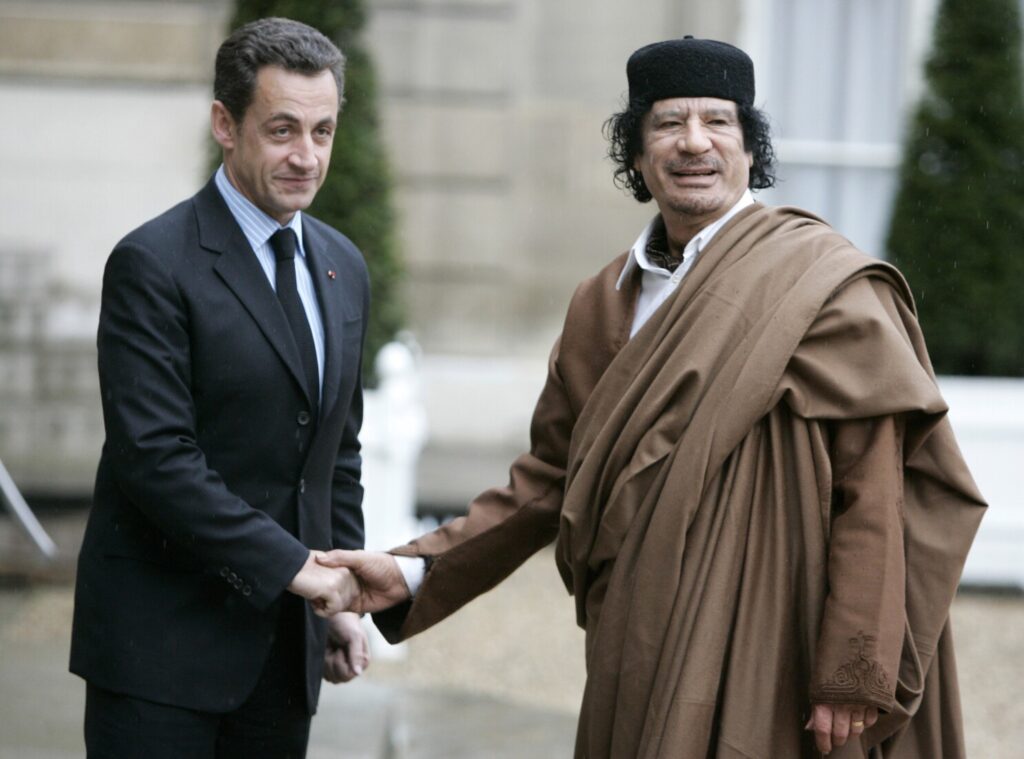
In the current “Libyan case,” prosecutors allege that Sarkozy’s aides negotiated a deal with Kadhafi’s regime in 2005 to fund his 2007 election campaign illegally. Investigators claim Kadhafi expected France’s help in restoring his international standing following accusations of involvement in the 1988 Lockerbie bombing and another over Niger in 1989.
While the court found Sarkozy guilty of criminal conspiracy, it stopped short of concluding that he personally received or used the illicit funds for his campaign.
What You Should Know
Nicolas Sarkozy, France’s president from 2007 to 2012, remains one of the country’s most polarizing political figures.
His release from prison marks a temporary reprieve in a long series of legal battles over corruption and campaign financing. The “Libyan funding case” is particularly significant, as it involves allegations of illicit foreign funding tied to Moamer Kadhafi’s regime.
Sarkozy has denied all wrongdoing and continues to frame his legal troubles as politically motivated. His appeal, set for March, could either clear his name or solidify a conviction that would further tarnish his post-presidential legacy.