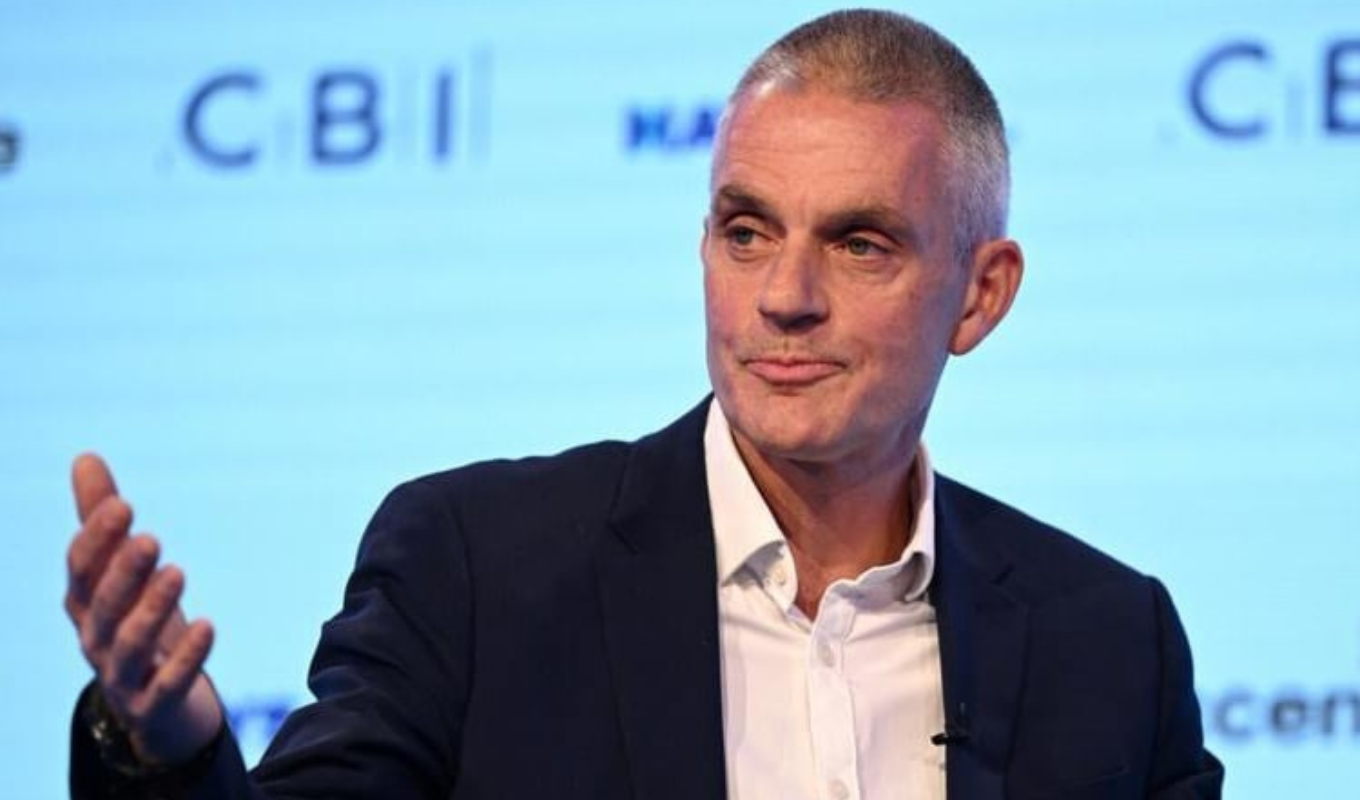
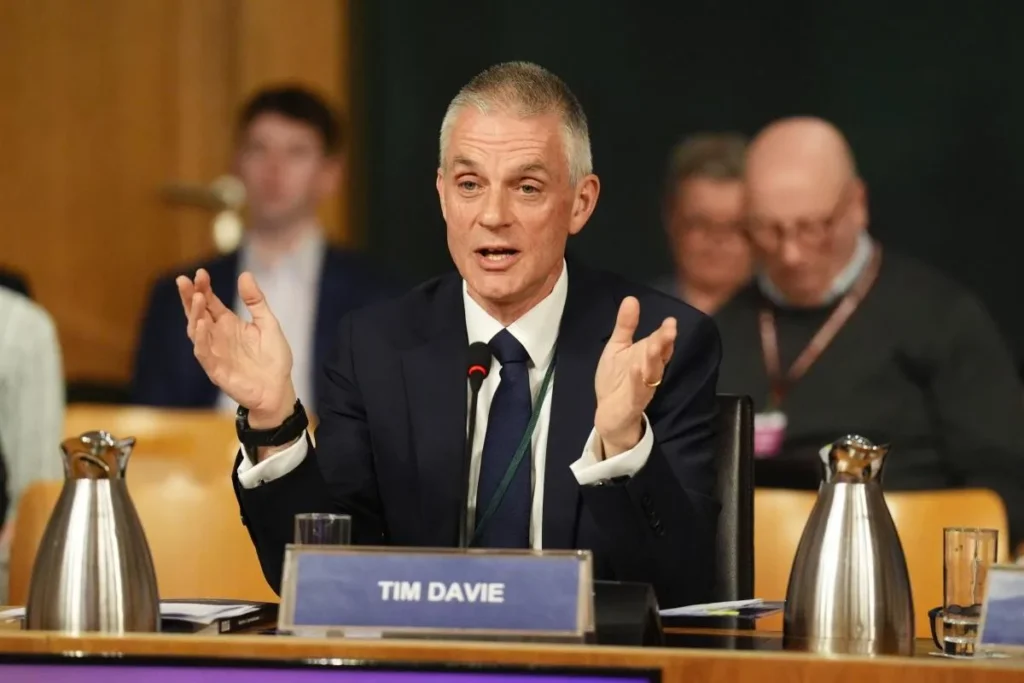
The Director General of the British Broadcasting Corporation (BBC), Tim Davie, announced his resignation on Sunday following a storm of controversy surrounding the editing of a documentary about former US President Donald Trump.
The decision came as Trump lashed out at what he described as “corrupt journalists” attempting to interfere in a presidential election.
Davie and the broadcaster’s head of news, Deborah Turness, stepped down after allegations that a Panorama documentary had misrepresented parts of Trump’s January 6, 2021 speech—a pivotal moment linked to the US Capitol riot. The film, titled “Trump: A Second Chance?”, aired shortly before last year’s US election.
Trump reacted swiftly to the resignations, celebrating the news on his social media platform. “Corrupt journalists have been exposed,” he wrote. “These are very dishonest people who tried to step on the scales of a Presidential Election.”
In his resignation statement posted on the BBC’s official website, Davie admitted that the ongoing scandal had weighed heavily on his decision. “Like all public organisations, the BBC is not perfect, and we must always be open, transparent and accountable,” he said. “While not being the only reason, the current debate around BBC News has understandably contributed to my decision… I have to take ultimate responsibility.”
The controversy was first highlighted by The Daily Telegraph, which reported that concerns over editorial impartiality had been raised months earlier in a memo by Michael Prescott, a former adviser to the BBC’s editorial standards committee.
UK Culture, Media and Sport Minister Lisa Nandy described the allegations as “incredibly serious” and said the claims raised questions about broader issues of editorial bias within the BBC. “It isn’t just about the Panorama programme,” Nandy said during an interview on BBC television. “There are a series of very serious allegations made, the most serious of which is that there is systemic bias in the way that difficult issues are reported at the BBC.”
She added that there appeared to be inconsistencies in the broadcaster’s tone and coverage of sensitive subjects such as “Israel, Gaza… trans people or on this issue about President Trump.”
The dispute centers on how the BBC edited Trump’s January 6 speech. The Panorama episode allegedly spliced clips to make it seem as though Trump told supporters he would march to the Capitol and “fight like hell.” In the unedited version, however, Trump said, “we’re going to cheer on our brave senators and congressmen and women.”
White House Press Secretary Karoline Leavitt reacted to the resignations by sharing a screenshot of the BBC’s announcement on X, previously Twitter, and said she was pleased that “this purposefully dishonestly, selectively edited clip by the BBC” had been exposed.
The BBC, which is publicly funded through the UK television licence fee, has faced repeated scrutiny over its editorial practices this year. Earlier, it issued apologies for “serious flaws” in the making of “Gaza: How To Survive A Warzone,” a February documentary that was later found to contain misleading elements. In October, the broadcaster accepted sanctions from the UK media regulator for another “materially misleading” program whose young narrator turned out to be the son of Hamas’s former deputy agriculture minister.
The BBC has promised “a full response” to Parliament’s Culture, Media and Sport Committee on Monday, as calls for an independent review of its editorial standards intensify.
What You Should Know
Tim Davie’s resignation marks one of the most significant leadership crises at the BBC in recent years.
The uproar over the Trump documentary has reignited debates about journalistic integrity and political impartiality within Britain’s public broadcaster.
As the BBC faces mounting pressure from both government and public scrutiny, its handling of editorial ethics may shape the future of the institution’s credibility.