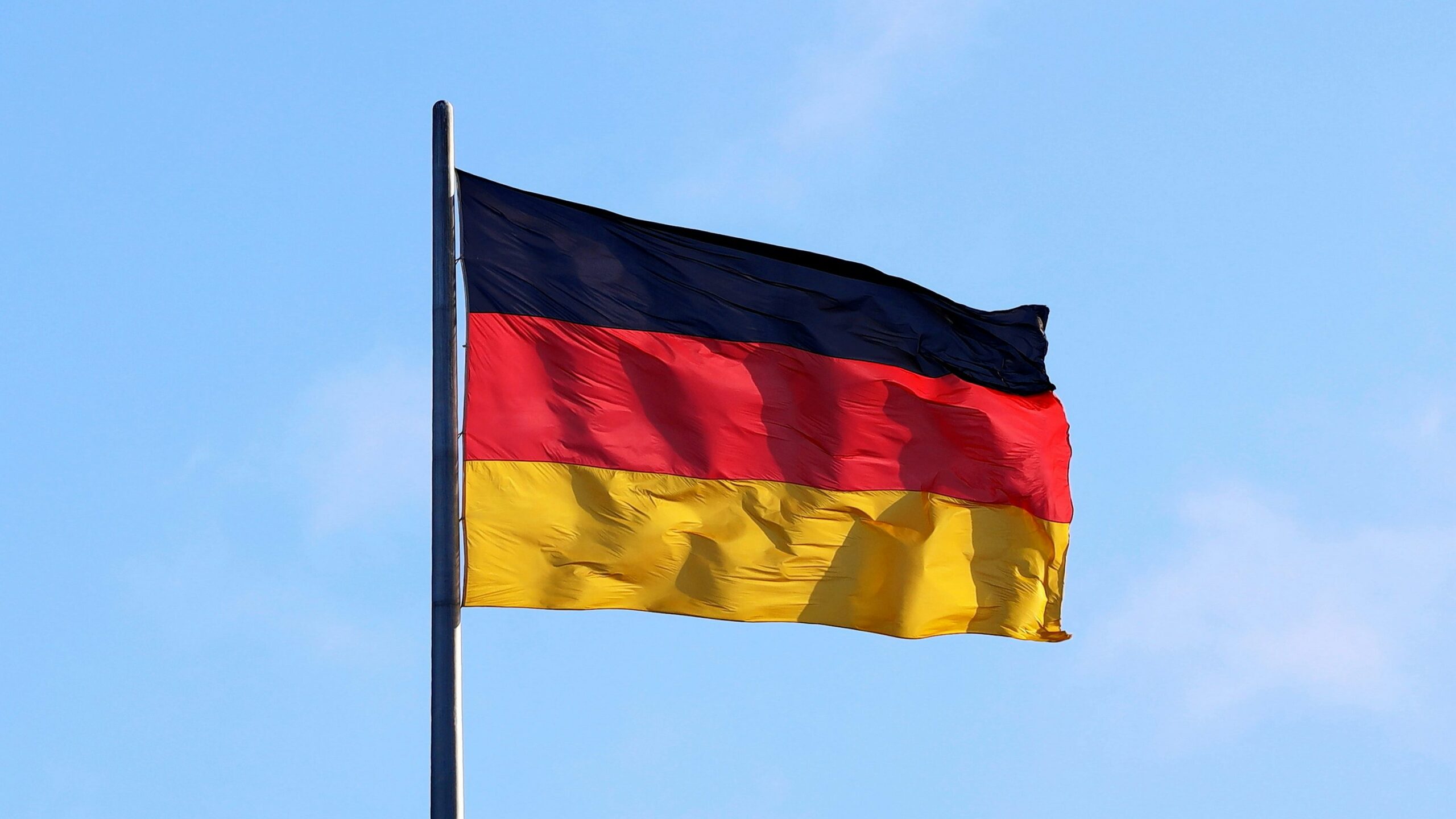
In a significant boost to regional cooperation efforts, Germany has announced a substantial financial commitment of €49 million—equivalent to approximately ₦82 billion—to support the Economic Community of West African States (ECOWAS) in advancing critical initiatives spanning peace, security, economic development, and healthcare across the West African region.
The funding pledge emerged from two days of intensive bilateral negotiations on development cooperation, concluded at the ECOWAS Commission headquarters in Abuja on Tuesday. The talks, held on November 4 and 5, underscore Germany’s continued engagement with West Africa at a time when the region faces mounting security challenges and economic pressures.
Strategic Partnership Deepens
This latest financial injection represents a renewed commitment by Berlin to support regional integration efforts in West Africa, a region grappling with persistent insurgencies, political instability in several member states, and the lingering economic aftershocks of the COVID-19 pandemic. The multimillion-euro package is expected to be channeled through various ECOWAS institutions and programs designed to address the region’s most pressing challenges.
While specific details of how the funds will be allocated across the four priority areas—peace and security, economic growth, and health—were not immediately disclosed, the timing of the commitment is particularly significant. West Africa has experienced a wave of military coups since 2020, with member states Mali, Burkina Faso, and Niger currently under military rule. These countries recently announced their withdrawal from ECOWAS, forming a parallel confederation and citing concerns over the bloc’s perceived lack of support against jihadist insurgencies.
Addressing Regional Security Imperatives
The peace and security component of the German funding comes as ECOWAS continues to navigate complex challenges related to terrorism, organized crime, and democratic governance. The Sahel region, in particular, has become a focal point for international concern, with jihadist groups linked to Al-Qaeda and the Islamic State maintaining active operations despite years of military intervention by regional and international forces.
Germany’s support is expected to bolster ECOWAS’s early warning mechanisms, conflict prevention initiatives, and potentially its standby force capabilities, though the organization has faced criticism for its inability to effectively deploy military interventions in recent crises.
Economic and Health Priorities
On the economic front, the funding arrives as West African economies continue to recover from pandemic-related disruptions while facing new headwinds from global inflation and debt sustainability concerns. ECOWAS has been working to deepen economic integration among its member states through initiatives such as the proposed common currency, the Eco, though implementation has faced repeated delays.
The health component of Germany’s support takes on added significance in light of lessons learned from the COVID-19 pandemic, which exposed significant vulnerabilities in West Africa’s healthcare infrastructure and supply chains. Previous German-ECOWAS cooperation has included support for disease surveillance systems and pharmaceutical manufacturing capacity.
A Longstanding Partnership
Germany has been a consistent development partner to ECOWAS over the past decades, providing both financial and technical assistance across various sectors. The bilateral relationship has historically focused on good governance, regional trade facilitation, and capacity building for regional institutions.
This latest commitment demonstrates Berlin’s continued confidence in the multilateral approach to addressing West Africa’s challenges, even as some member states question the relevance and effectiveness of regional institutions. The success of this €49 million investment will likely depend on ECOWAS’s ability to implement programs effectively while navigating the political complexities that have strained the organization in recent years.
Officials from both the German government and ECOWAS Commission are expected to provide further details on implementation timelines and specific project allocations in the coming weeks.
WHAT YOU SHOULD KNOW
Germany’s €49 million commitment to ECOWAS represents crucial international support for West Africa at a critical juncture. With the region facing escalating security threats from jihadist insurgencies, recent military coups, and the departure of three member states from the bloc, this funding aims to strengthen peace, security, economic resilience, and healthcare systems across West Africa.
The pledge underscores Germany’s confidence in regional cooperation as the viable path forward, even as ECOWAS navigates its most serious institutional crisis in years. Success will hinge on whether the organization can effectively deploy these resources to address urgent challenges while proving its continued relevance to skeptical member states.