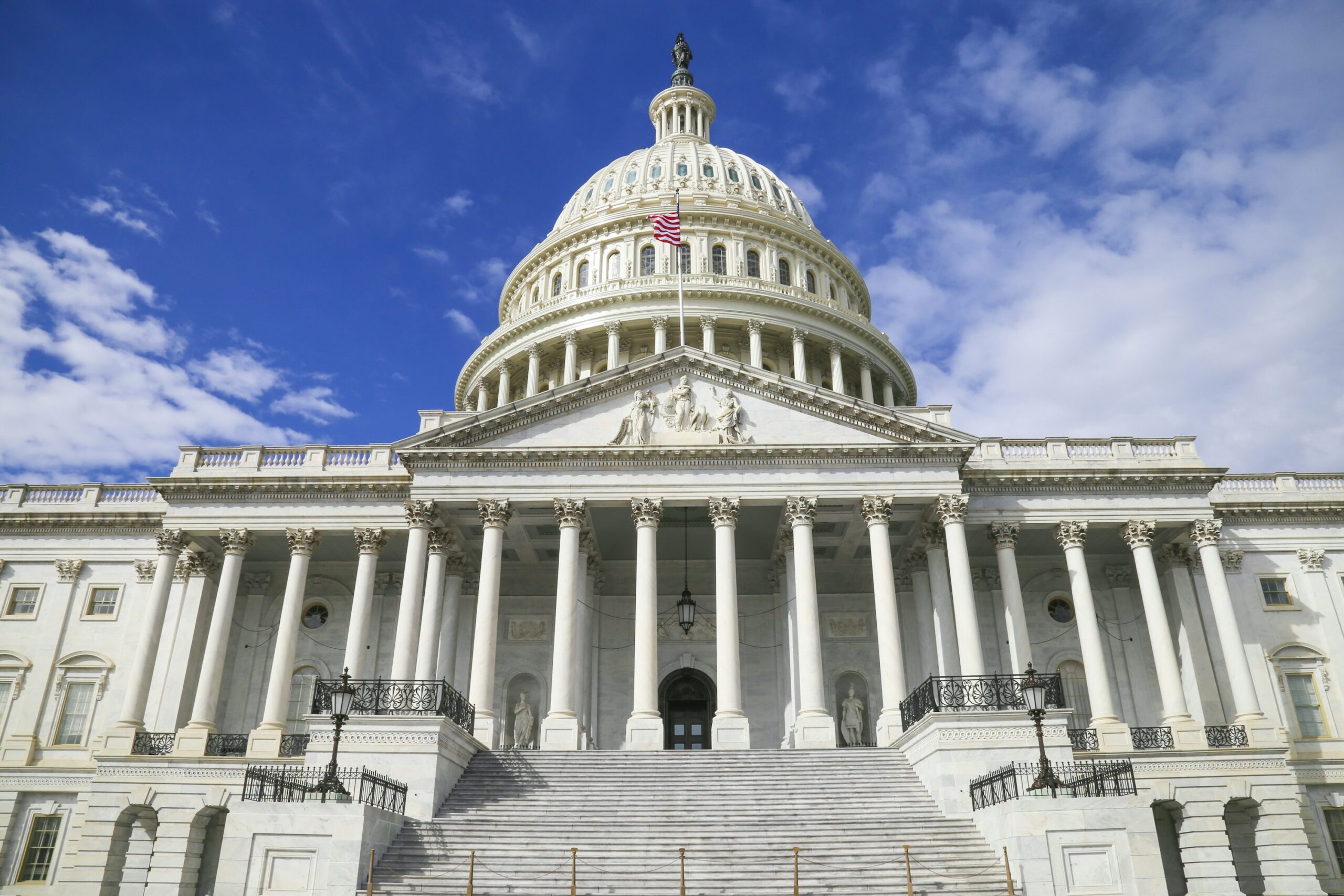
A bill newly introduced in the United States Congress seeks to impose targeted sanctions on the Miyetti Allah Cattle Breeders Association of Nigeria (MACBAN) and Miyetti Allah Kautal Hore over allegations of severe violations of religious freedom against Christians in Nigeria.
The proposal includes visa restrictions and asset freezes for individuals connected to the groups.
The bill, sponsored by Representative Christopher Smith, came alongside commendation for US President Donald Trump, who recently re-designated Nigeria as a Country of Particular Concern (CPC) under the International Religious Freedom Act. The CPC classification is reserved for nations accused of permitting or engaging in serious violations of religious liberty.
Meanwhile, the Federal Government of Nigeria has said it remains calm and unshaken despite Washington’s stance on alleged persecution of Christians in the country. It stated that discussions have begun between both governments and assured that Nigeria remains committed to the safety and protection of all citizens, regardless of faith or ethnicity.
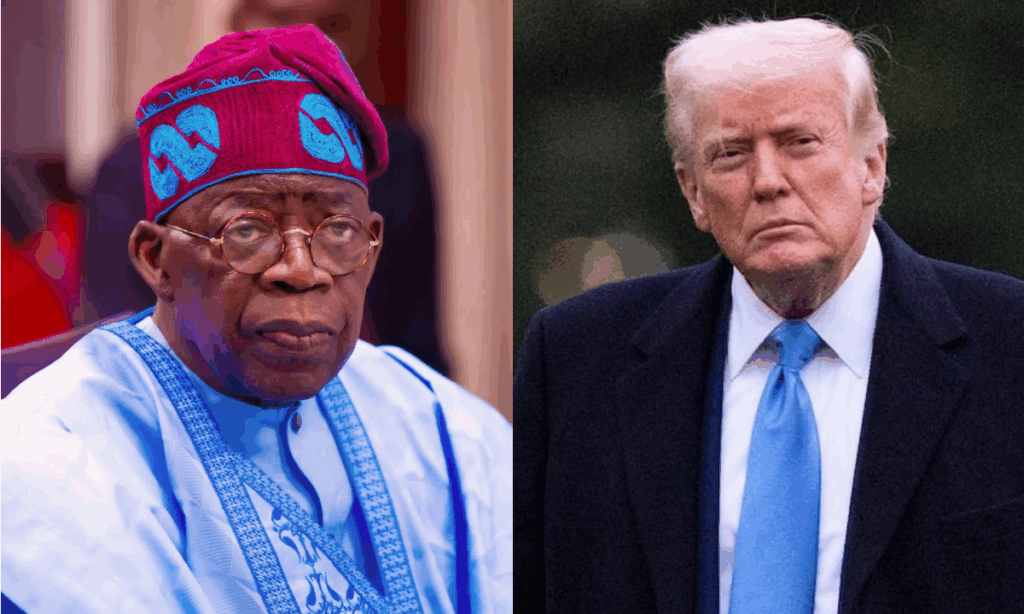
President Bola Tinubu, in response to Trump’s statements and the proposed sanctions, reiterated that his administration would overcome terrorism and continue fostering international partnerships to curb insecurity. Speaking after a briefing by the Minister of Finance and Coordinating Minister of the Economy, Wale Edun, the President said that despite political pressures, Nigeria will remain engaged with its global allies.
“The most important thing is the fact that despite the political headwinds and the fear of our people, we will continue to engage with our partners,” Tinubu stated. “The task ahead is immense. We are engaging the world diplomatically, and we assure all of you that we will defeat terrorism in the country.”
The congressional bill in the United States also lists Fulani-Ethnic Militias operating in Benue and Plateau states as Entities of Particular Concern (EPCs). EPCs are non-state actors accused of participating in grave violations of religious freedom. Other entities already designated as EPCs include Boko Haram, ISIS-West Africa, ISIS-Sahel, Houthis, and the Taliban.
Senator Ted Cruz has also supported these moves, vowing to ensure accountability for Nigerian officials accused of promoting religious oppression. He previously proposed the Nigeria Religious Freedom Accountability Act of 2025, which called for sanctions on any government official found to have endorsed or enforced blasphemy laws in Nigeria.
Supporters of the bills argue that the sanctions are necessary to counter ongoing attacks on Christian communities and places of worship in parts of northern and central Nigeria. However, critics maintain that insecurity in the country stems from political instability, poverty, and ethnic tensions rather than religion.
If passed, the bill could reshape diplomatic relations between Nigeria and the United States, particularly in the areas of security cooperation, human rights, and counterterrorism support.
Minister of Information and National Orientation, Mohammed Idris, while addressing journalists after the Federal Executive Council meeting presided over by President Tinubu, said that the government is addressing the concerns raised by Washington and others. He explained that Nigeria remains deeply committed to upholding its citizens’ constitutional rights to religious freedom and peaceful coexistence.
“The government of Nigeria is responding to the genuine concerns raised and the politics of it, of course, aside, we genuinely are taking the issues seriously,” Idris said. “The killing of even one Nigerian citizen is of concern to the government of Nigeria. Our Constitution guarantees the right of everyone to worship his or her religion without hindrance, and the government will continue to ensure this.”
He added that the administration remains stable and calm despite the rising diplomatic tension. “Yes, there are issues of security in this country. Yes, there are incidents of violence. But is there anything that the government is doing to checkmate that? Yes, indeed, there are,” he stated.
Idris noted that the Nigerian government is working closely with regional and international partners, including the United States, to tackle terrorism and violent extremism. “Channels have been opened. We prefer that this situation be solved diplomatically. We don’t want to escalate it through rhetoric,” he said.
A report by The New York Times revealed that the US Africa Command has submitted operational proposals to the Department of Defense, following Trump’s directive to prepare intervention plans for Nigeria. The report said the plans outline varying degrees of engagement, ranging from a heavy option involving an aircraft carrier strike group stationed in the Gulf of Guinea, to medium and light strategies centered on drone surveillance and intelligence sharing.
Officials reportedly acknowledged that limited drone operations would have minimal impact on Nigeria’s long-running insurgency unless a full-scale campaign—similar to those carried out in Iraq or Afghanistan—was launched, an option the Pentagon is currently not considering.
President Trump, in a recent post on Truth Social, warned that the United States could “go into that now disgraced country, guns-a-blazing,” if Nigeria failed to stop the killings of Christians. He wrote, “If the Nigerian Government continues to allow the killing of Christians, the U.S.A. will immediately stop all aid and assistance to Nigeria, and may very well go into that now disgraced country, ‘guns-a-blazing,’ to completely wipe out the Islamic terrorists, who are committing these horrible atrocities.”
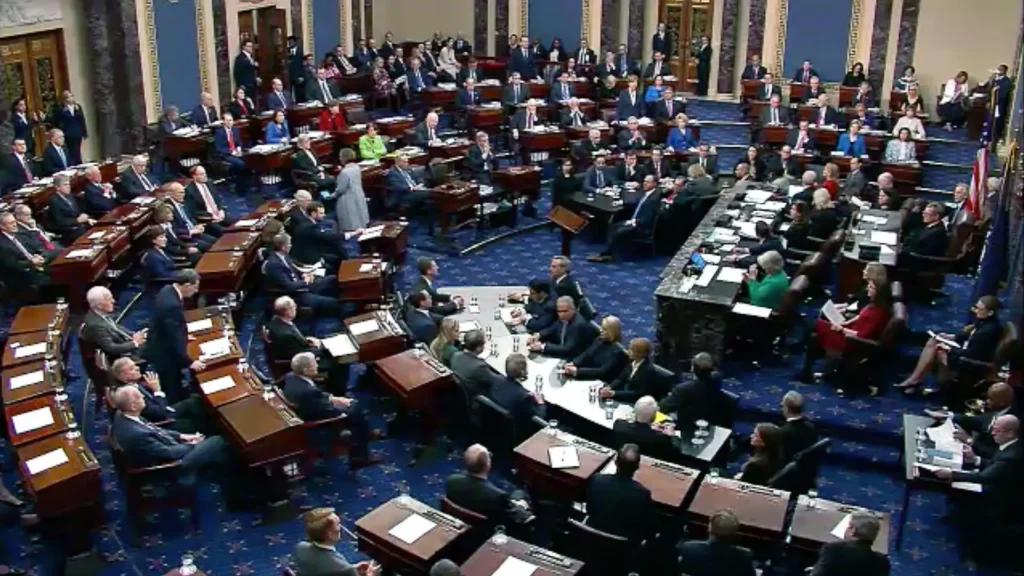
He added that the United States “cannot stand by while such atrocities are happening,” directing key members of Congress to investigate the matter further.
In response, President Tinubu dismissed claims that Nigeria is hostile toward Christians, insisting that the country remains a democracy that respects and protects religious diversity. He emphasized that since assuming office, his administration has maintained open dialogue with leaders of both Christian and Muslim communities and remains committed to ensuring that every citizen can freely practice their faith.
“The characterisation of Nigeria as religiously intolerant does not reflect our national reality, nor does it recognise government efforts to safeguard freedom of religion and belief,” Tinubu said. “Religious freedom and tolerance have been a core tenet of our collective identity and shall always remain so. Nigeria is a country with constitutional guarantees to protect citizens of all faiths.”
He further assured that Nigeria would continue to work with the United States and other international partners to protect religious minorities and promote peace across all regions.
What you should know
The United States’ proposed sanctions on Miyetti Allah and related groups represent a growing strain in US-Nigeria relations.
While Washington portrays the move as a human rights initiative, Abuja insists the violence is rooted in social and economic issues, not religion.
The diplomatic exchange, intensified by President Trump’s threats, could reshape both nations’ cooperation on security and global diplomacy.