The death toll from Hurricane Melissa climbed to nearly 50 on Thursday, officials confirmed, as the massive storm continued its destructive path through the Caribbean and moved toward Bermuda.
The US National Hurricane Center (NHC) reported that while flooding was beginning to recede in the Bahamas, high waters remained a concern across Cuba, Jamaica, Haiti, and the Dominican Republic.
The storm, one of the most powerful ever recorded, was found to be four times more likely due to human-driven climate change, according to researchers at Imperial College London. On Thursday evening, Bermuda faced tropical storm conditions and was under a hurricane warning as winds reached speeds of 100 miles (155 kilometers) per hour. Authorities on the island urged residents to remain vigilant and prepare for the storm’s impact.
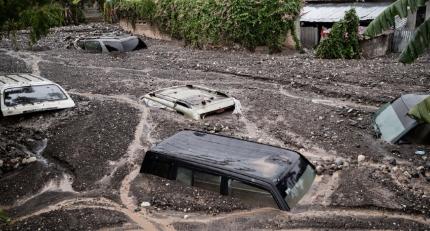
Melissa unleashed catastrophic damage across Jamaica and Cuba, leaving behind shattered homes, downed power lines, and widespread flooding. Jamaican Information Minister Dana Morris Dixon said the confirmed death toll in the country had reached 19, with nine fatalities in Westmoreland and eight in St. Elizabeth, two of the hardest-hit parishes. Communications and transportation across affected regions remain severely disrupted, and officials warned that full damage assessments could take days.
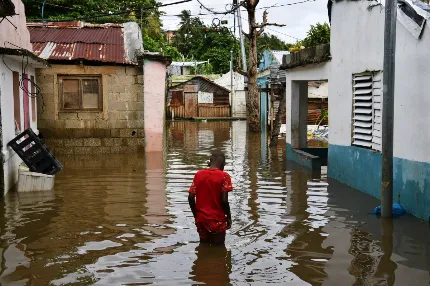
In Haiti, already burdened by poverty and political instability, the civil defense agency reported 30 deaths, 20 injuries, and 20 missing persons. Over 1,000 homes were flooded, displacing roughly 16,000 people into shelters. Meanwhile, in eastern Cuba, residents battled waist-deep floodwaters, collapsed homes, and destroyed infrastructure amid the country’s worst economic downturn in decades.
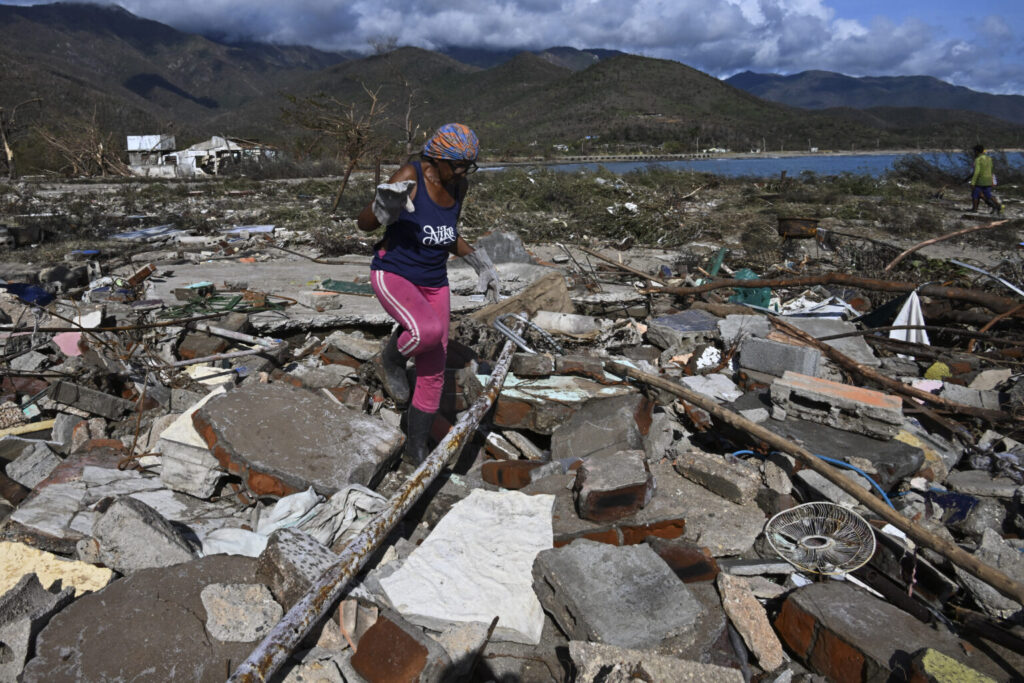
“Melissa killed us, because it left us destroyed,” said Felicia Correa from La Trampa near El Cobre. “We were already going through tremendous hardship. Now, of course, we are much worse off.”
Cuban officials confirmed that about 735,000 people were evacuated from the provinces of Santiago de Cuba, Holguin, and Guantanamo. Streets across the region were littered with debris, while fallen trees and live wires made rescue efforts perilous.
The United States deployed disaster response and search-and-rescue teams to the Dominican Republic, Jamaica, and the Bahamas, with additional teams en route to Haiti. Secretary of State Marco Rubio said the U.S. was also “prepared to offer immediate humanitarian aid to the people of Cuba affected by the hurricane.” The UK government pledged £2.5 million (around $3.3 million) in emergency aid and organized limited evacuation flights for British citizens stranded in the region.
In Jamaica, UN Resident Coordinator Dennis Zulu described the situation as “tremendous, unprecedented devastation of infrastructure, of property, roads, network connectivity.” Authorities have faced challenges confirming casualties due to blocked roads and communication breakdowns in isolated areas.
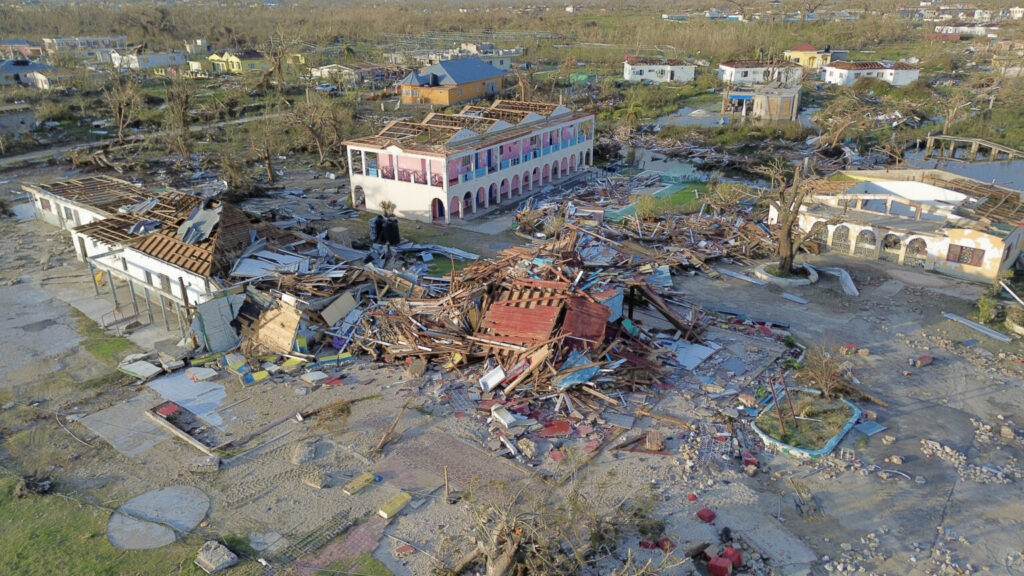
According to the US National Oceanic and Atmospheric Administration (NOAA), Hurricane Melissamatched the 1935 record for the most intense storm to ever strike land when it hit Jamaica on Tuesday. In Seaford Town, local farmer and businessman Christopher Hacker said his restaurant and banana plantations had been completely wiped out. “Everything is gone,” he lamented.
UN Climate Change Executive Secretary Simon Stiell said the storm serves as “a brutal reminder of the urgent need to step up climate action on all fronts.”
What You Should Know
Hurricane Melissa has become one of the most destructive storms in recent Caribbean history, leaving a trail of human and economic loss across several nations.
Its intensity, attributed in part to climate change, underscores the growing vulnerability of island nations to extreme weather. While international aid and rescue efforts are underway, thousands remain displaced, mourning loved ones and struggling to rebuild.
The storm’s catastrophic impact reinforces global calls for stronger climate resilience, especially in regions most exposed to nature’s escalating fury.