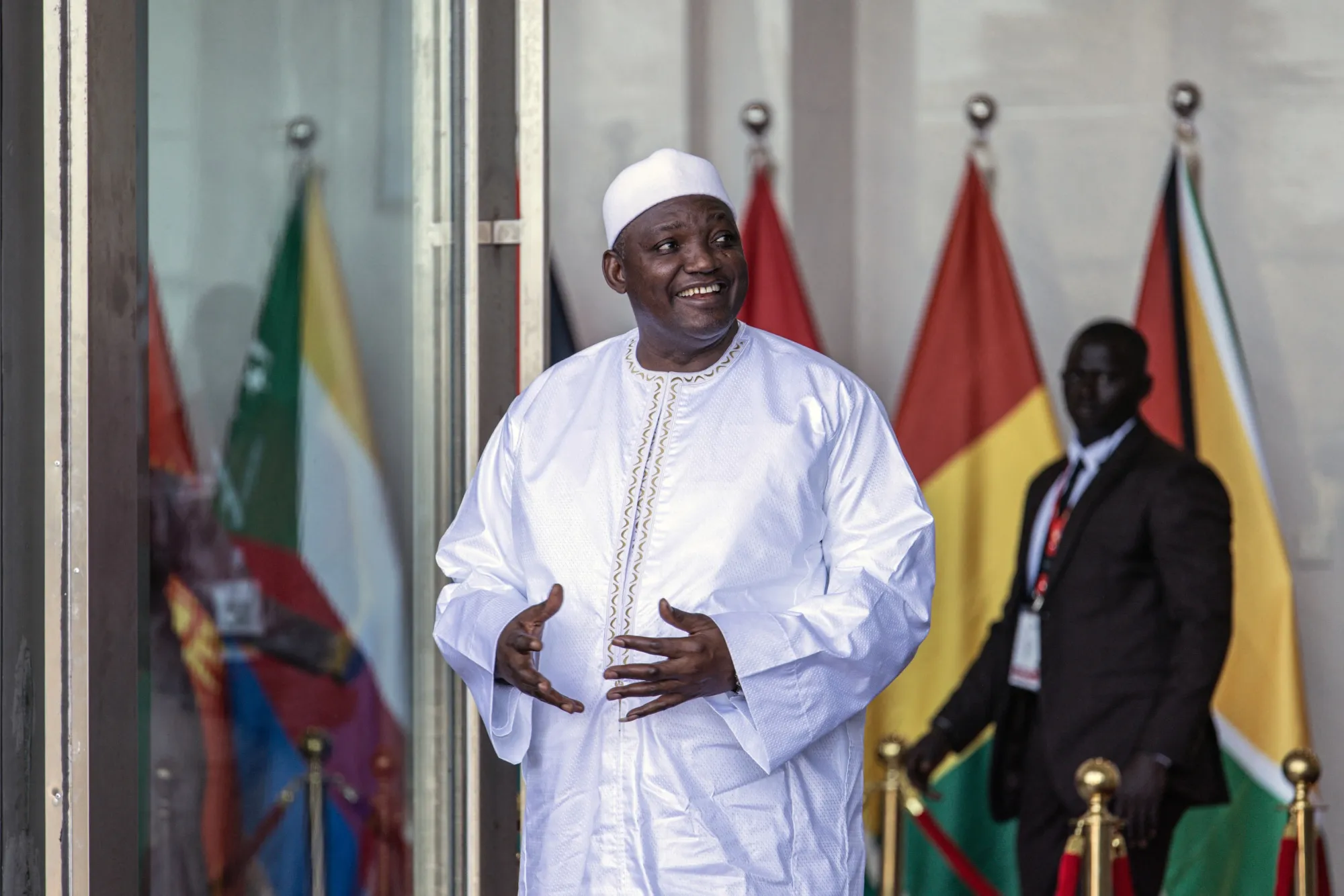
The Gambia will conduct its next presidential election on December 5, 2026, officials confirmed on Thursday, as President Adama Barrow’s decision to seek a third term continues to spark growing controversy.
Barrow stunned many Gambians earlier this year when he announced his intention to contest for a third term in office. Although the move is legally permitted under the country’s 1997 constitution, it has drawn sharp criticism from both local and international observers who had not expected him to pursue another term.
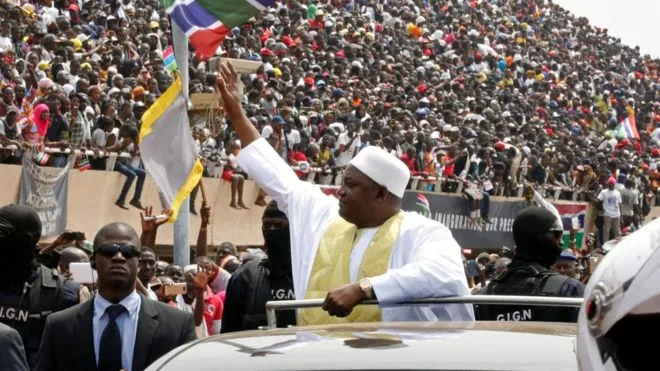
When Barrow first won the presidency in 2016, there was widespread optimism that The Gambia would soon adopt a new constitution establishing presidential term limits. However, that hope dimmed in 2020 when lawmakers loyal to Barrow rejected a draft constitution that included a retroactive clause limiting presidents to two terms, a clause that would have disqualified Barrow from running again.
In response, the government introduced another draft constitution in 2024, this time removing the retroactive clause to allow Barrow’s eligibility. Despite the adjustment, the proposed bill failed to secure approval when legislators voted it down in July.
Barrow’s declaration to seek re-election under his National People’s Party (NPP) has drawn mixed reactions, with critics accusing him of undermining democratic reform efforts.
Meanwhile, the United Democratic Party (UDP), The Gambia’s largest opposition party, recently selected veteran politician Ousainou Darboe as its presidential candidate. Still, analysts suggest that Barrow remains the leading contender in the 2026 election, as the opposition has yet to form a unified front capable of challenging his political influence.
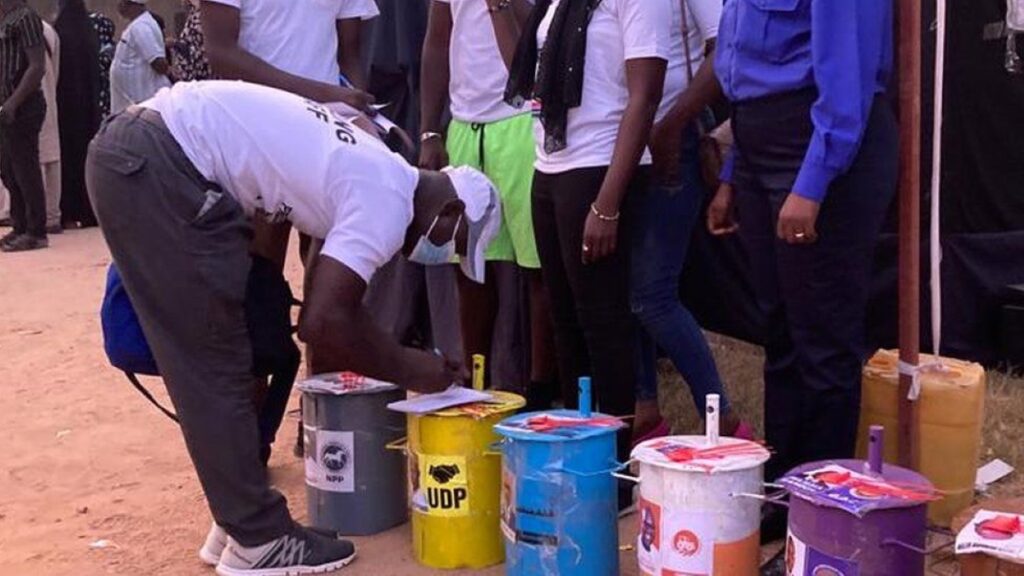
Announcing the election schedule, Joseph Colley, chairman of The Gambia’s Independent Electoral Commission (IEC), stated that the presidential vote would be held on December 5, 2026, while parliamentary elections would follow on April 10, 2027.
Colley reaffirmed the commission’s dedication to “transparency, inclusion and adherence to electoral laws,” urging political parties to comply with all registration and procedural requirements.
The December 5 date aligns with The Gambia’s established electoral calendar under its current constitutional framework.
The 1997 constitution, enacted under former leader Yahya Jammeh, entrenched his long-standing rule after seizing power in a 1994 coup. Jammeh’s 22-year rule was marred by widespread human rights abuses, corruption, and the diversion of state resources for personal gain, according to government officials and human rights organizations.
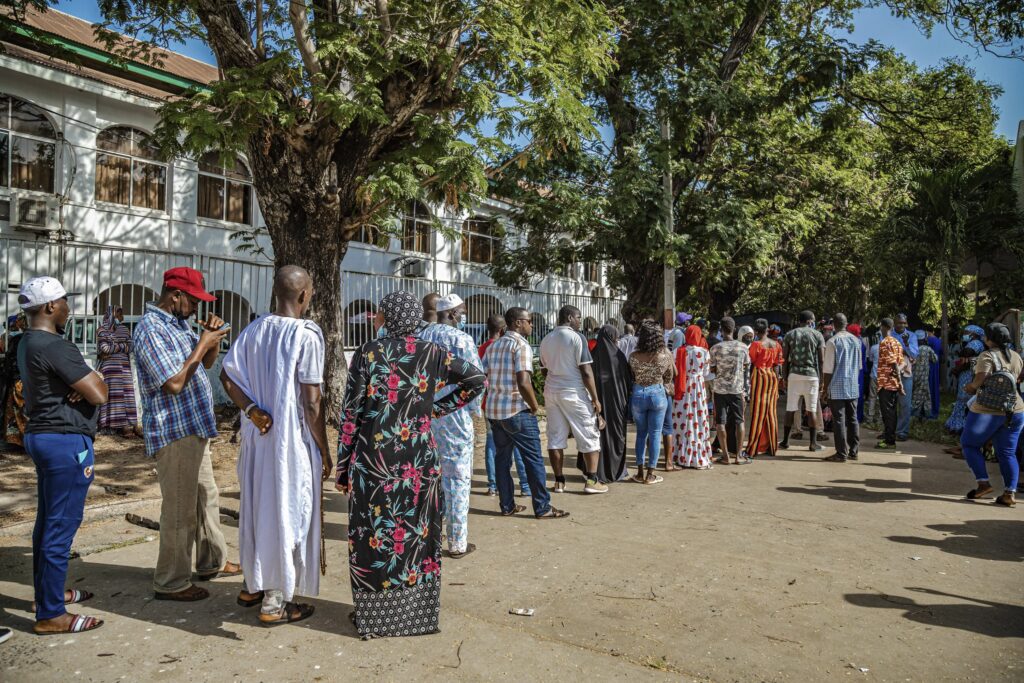
Jammeh was eventually ousted from power in 2017 following his defeat by Barrow, who at the time was a little-known political figure. After initially contesting the results, Jammeh later conceded and fled into exile in Equatorial Guinea, ending his decades-long hold on The Gambia.
What you should know
The Gambia will hold its presidential election on December 5, 2026, with President Adama Barrow seeking a third term despite criticism over broken reform promises.
Although opposition leader Ousainou Darboe has entered the race, Barrow remains the likely favourite as the opposition struggles to unite.