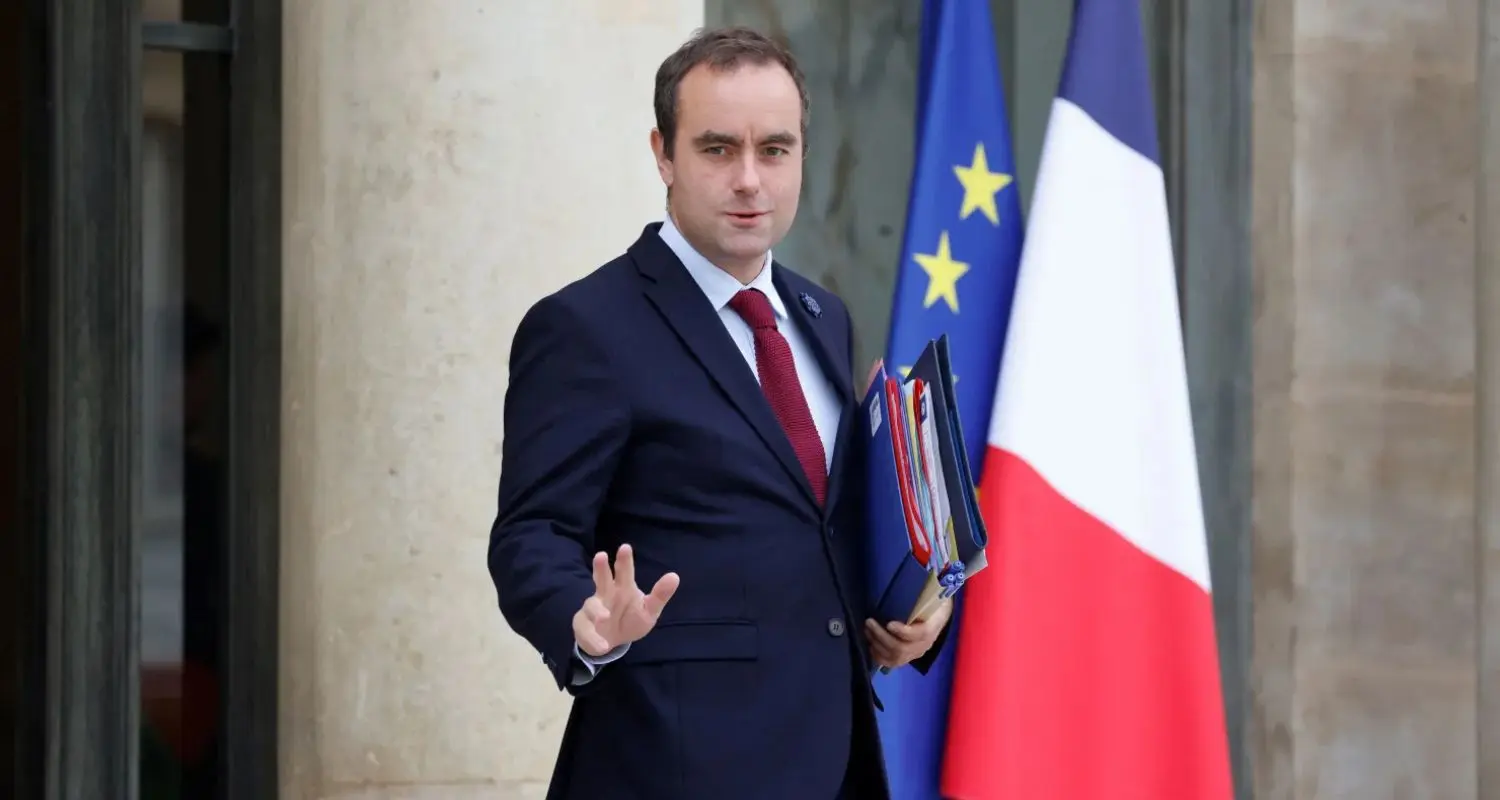
France’s outgoing Prime Minister, Sebastien Lecornu, began a last-ditch effort on Tuesday to rally cross-party support for a cabinet that could pull the nation out of its political crisis.
President Emmanuel Macron had tasked the 39-year-old with forming a new government in early September after parliament ousted his predecessor over an unpopular austerity budget.
Lecornu unveiled a new cabinet on Sunday, but it immediately drew criticism for featuring many of the same faces from the previous administration. He resigned on Monday morning, only to accept Macron’s request that he spend two more days attempting to salvage his government.
According to a presidential official, Macron instructed Lecornu to “conduct final negotiations by Wednesday evening to define a platform of action and stability for the country.” The official added that Macron was ready to “assume his responsibilities” if Lecornu failed—a phrase interpreted as a possible hint at new legislative elections.
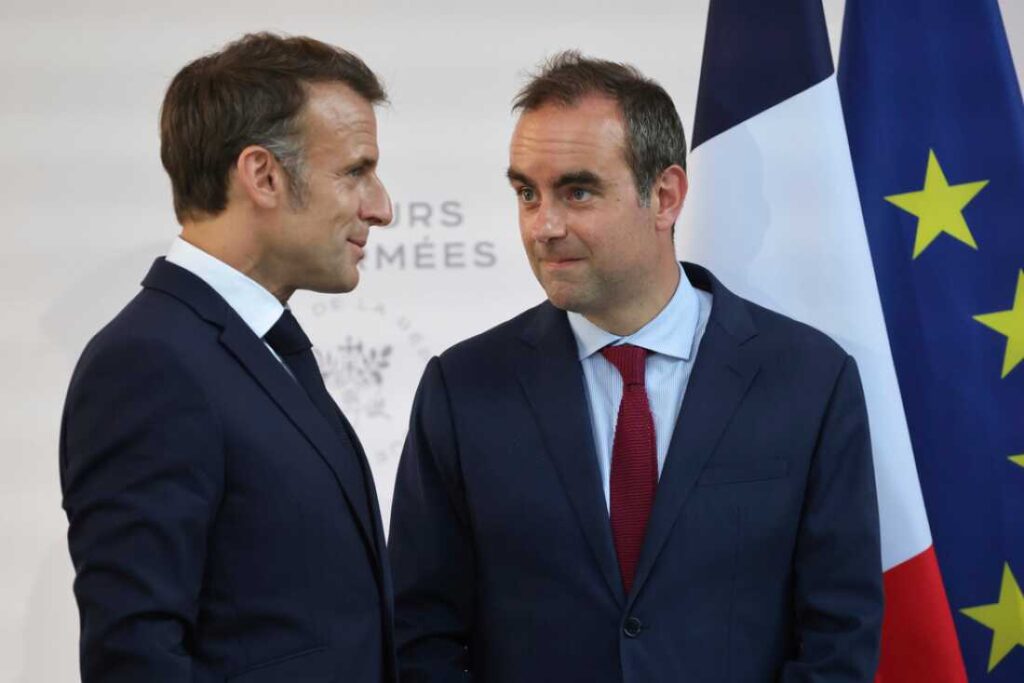
Lecornu began meeting with party leaders on Tuesday morning in a bid to end the deadlock. The crisis, which has persisted for over a year, stems from Macron’s decision to call snap elections in mid-2024 that resulted in a hung parliament.
The political turmoil has intensified ahead of the 2027 presidential elections, with Marine Le Pen’s far-right National Rally seeing its strongest chance yet to take power. Former prime minister Edouard Philippe criticized what he described as a “distressing political game,” urging Macron to call early presidential elections once the 2026 budget is passed.
Within Macron’s own camp, discontent is growing. Gabriel Attal, the prime minister until last year, said on Monday he no longer understood Macron’s decisions, adding that it was “time to try something else.” Le Pen called on Macron to resign and demanded immediate legislative polls, while her party leader, Jordan Bardella, said the National Rally was “ready to govern.”
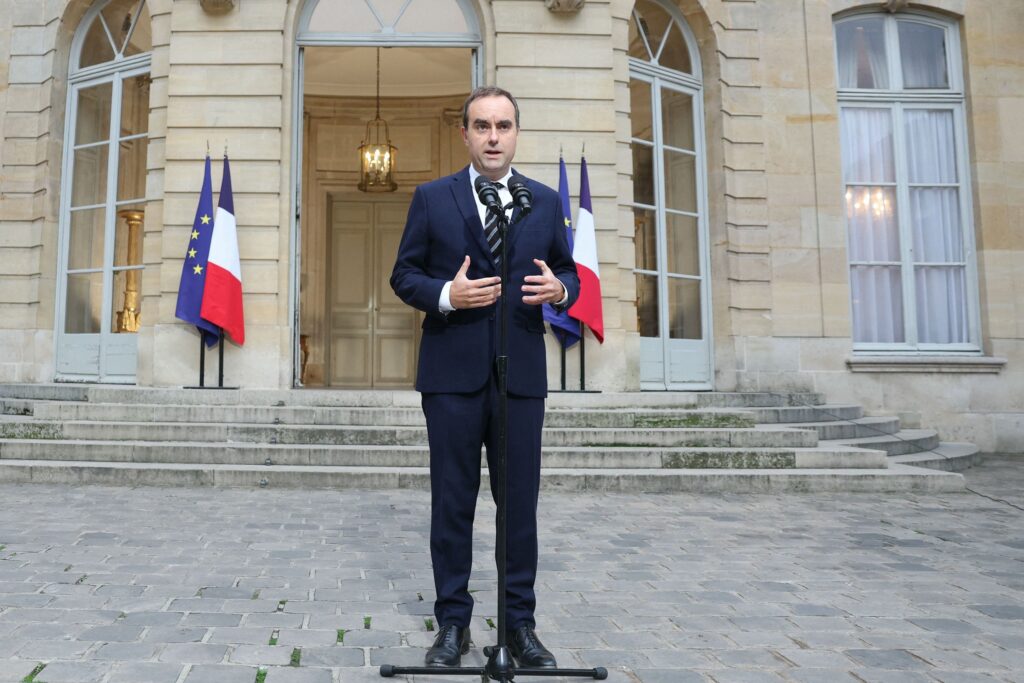
Lecornu now faces the difficult task of building consensus in a fragmented parliament. Socialist leader Olivier Faure has called for “a change of course” toward a left-leaning government, while Republican leader Bruno Retailleau said his party could remain in a coalition with Macron’s centrists under certain conditions.
France’s financial troubles add further pressure, with public debt reaching record highs. The country’s debt-to-GDP ratio now ranks third in the European Union, after Greece and Italy, nearly double the EU’s permitted limit.
Macron has so far ruled out both resignation and new parliamentary elections, but political analysts say he may have to make bold moves—including appointing yet another prime minister—to restore stability.
What you should know
Sebastien Lecornu, France’s youngest prime minister in decades, faces the daunting challenge of navigating a divided parliament and a nation weary of austerity.
His success or failure could shape President Macron’s legacy and influence the direction of French politics leading up to the pivotal 2027 elections.