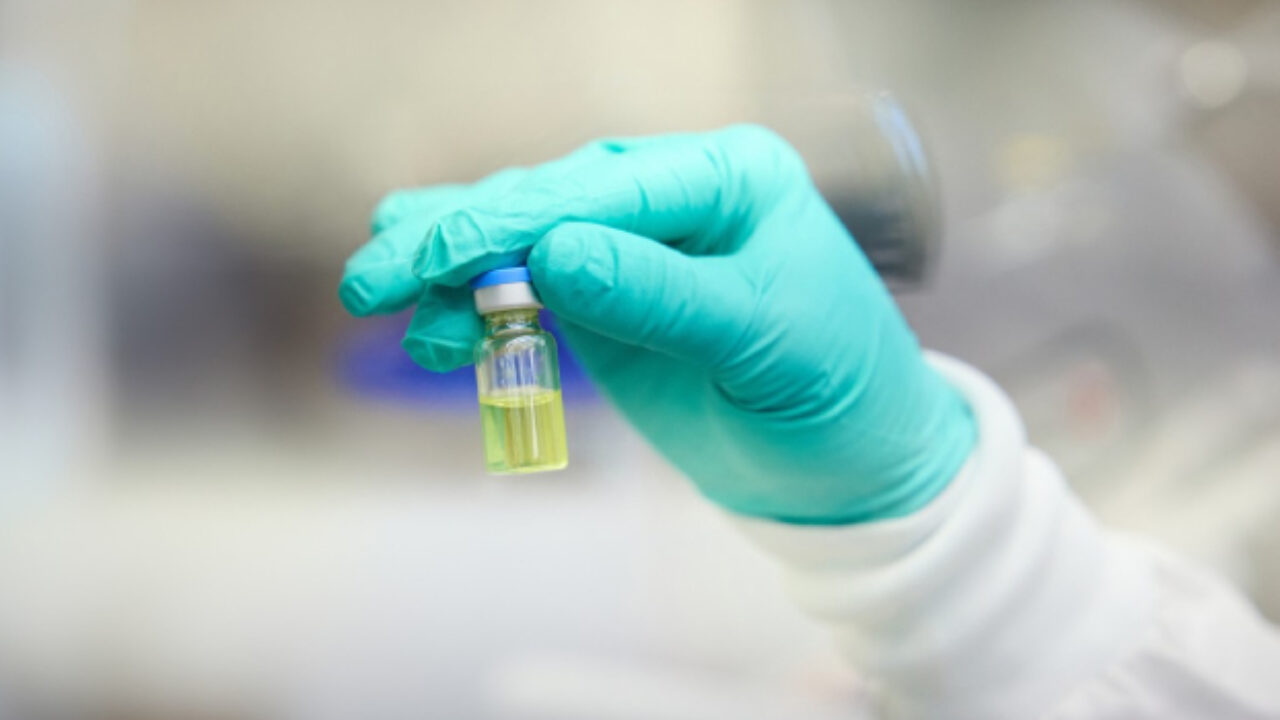
Generic versions of a groundbreaking injectable HIV-prevention drug are expected to be available for as little as $40 annually in more than 100 countries from 2027, Unitaid and the Gates Foundation announced on Wednesday.
The agreements, struck separately with Indian pharmaceutical companies, will enable the production of affordable versions of lenacapavir, a twice-yearly injection shown to reduce HIV transmission risk by more than 99.9 percent.
Currently marketed as Yeztugo by U.S. company Gilead Sciences, the drug costs around $28,000 per year in the United States. Health experts say cheaper alternatives are vital to expanding HIV prevention in low- and middle-income countries.
“Now, with this product, we can end HIV,” said Unitaid’s strategic lead for HIV, Carmen Perez Casas.
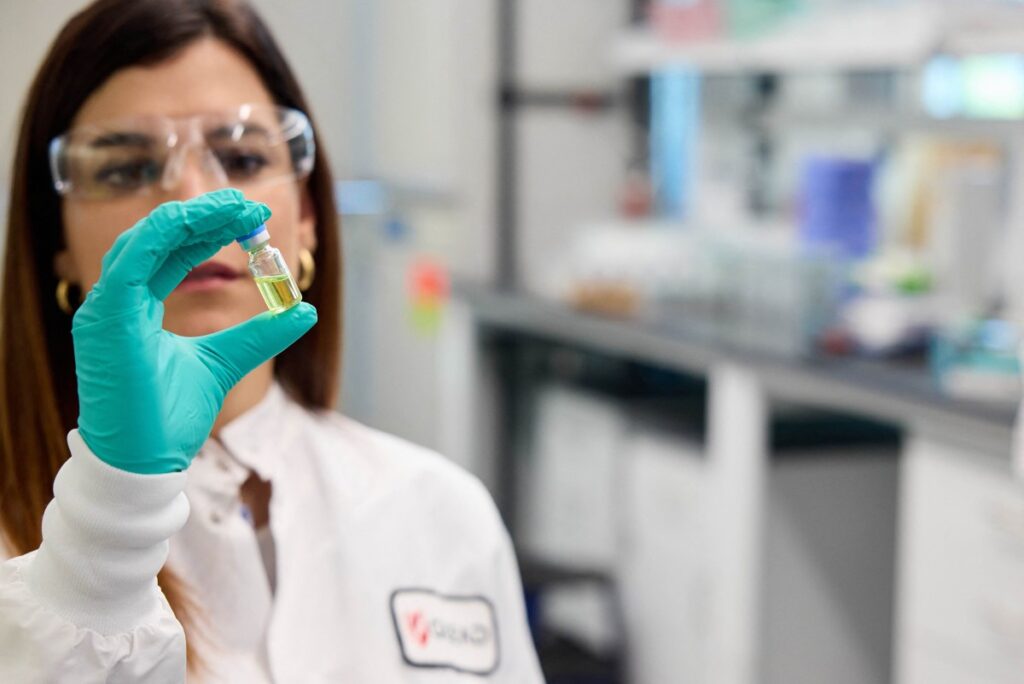
Unitaid confirmed a partnership with Dr. Reddy’s Laboratories, the Clinton Health Access Initiative (CHAI), and Wits RHI to distribute the drug at $40 annually across 120 nations. The Gates Foundation has also partnered with Indian drugmaker Hetero.
“Scientific advances like lenacapavir can help us end the HIV epidemic, if they are made accessible to people who can benefit from them the most,” said Trevor Mundel, head of global health at the Gates Foundation.
Global efforts since 2010 have reduced new HIV infections by 40 percent, yet UNAIDS recorded 1.3 million new infections in 2024. Pending the generic rollout, Gilead and the Global Fund are working to provide lower-cost access, with first units expected in at least one African country by year’s end.
What you should know
Lenacapavir, a long-acting injectable PrEP drug, is being hailed as a breakthrough in HIV prevention. Its generic rollout at $40 per year by 2027 could transform access for millions in developing countries.
The initiative highlights global cooperation to curb HIV, even as infections persist despite years of progress.