
Egyptian police have arrested a museum employee and three accomplices in connection with the theft of a priceless 3,000-year-old gold bracelet from Cairo’s Egyptian Museum.
The artifact, dating back to the reign of Amenemope of Egypt’s 21st Dynasty (1070–945 BC), was stolen, sold for a fraction of its value, and later melted down.
The missing item, a gold band decorated with lapis lazuli beads, was reported gone on Saturday by museum staff, according to a statement released by Egypt’s interior ministry. The ministry revealed that the piece had been stored in a locked metal safe inside the museum’s conservation laboratory before being stolen on September 9 by a restoration specialist.
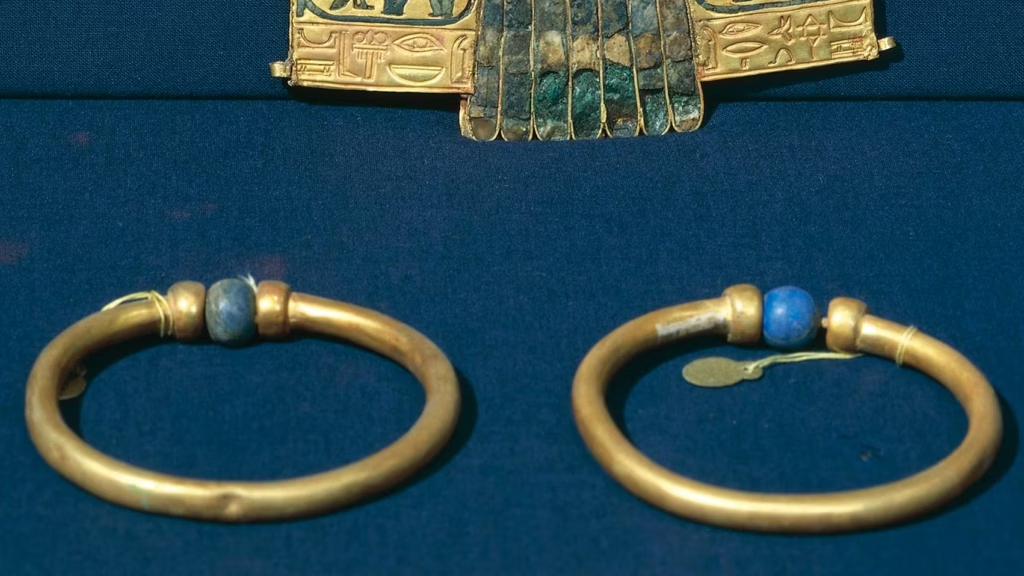
Investigators said a silver trader in central Cairo helped facilitate the illicit deal. The stolen artifact was first sold to a gold dealer for 180,000 Egyptian pounds (about $3,735) and later resold to a worker at a gold foundry for 194,000 pounds ($4,025). Police confirmed that the bracelet was melted down with other gold scrap.
Authorities reported that all suspects were taken into custody and had confessed to the crime. Security camera footage released by the interior ministry appeared to show a man cutting a gold bracelet after receiving cash, though it remains unclear if the footage depicted the stolen artifact.
Egyptian media earlier reported the theft was discovered during an inventory inspection ahead of the upcoming Treasures of the Pharaohs exhibition in Rome next month.
French Egyptologist Jean Guillaume Olette-Pelletier explained to AFP that the bracelet was originally discovered in Tanis, in the eastern Nile delta, during excavations at the tomb of King Psusennes I. The pharaoh Amenemope had been reburied there following the plundering of his original burial site.
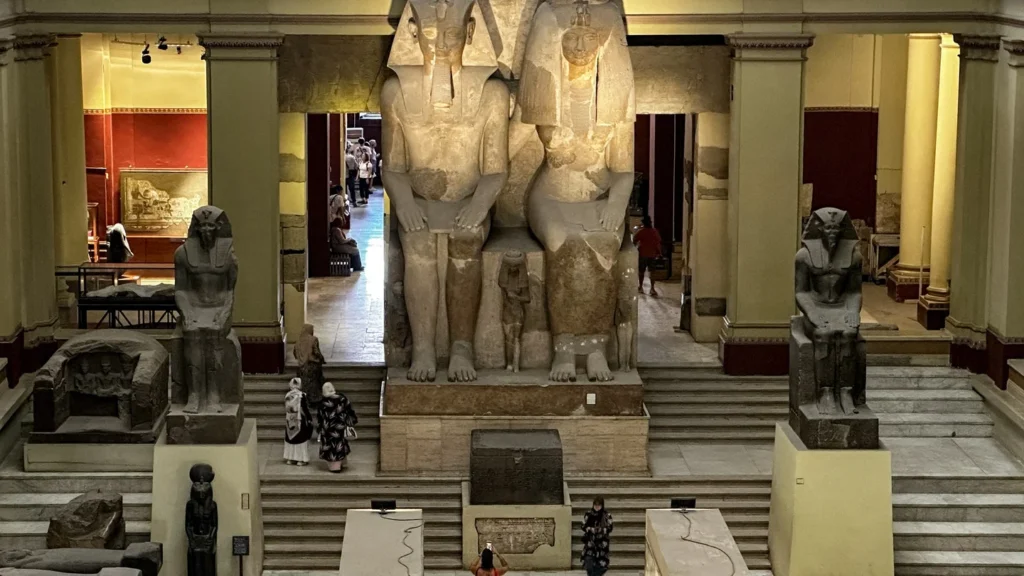
This is not the first time Egyptian cultural heritage has been targeted. In 1977, Vincent van Gogh’s Poppy Flowers, valued at $55 million, was stolen from a Cairo museum, later recovered, and then stolen again in 2010. The artwork remains missing.
In a related case this month, an Egyptian man was sentenced in the United States to six months in prison for smuggling hundreds of looted artifacts onto the international market. After the 2011 revolution, Egypt experienced widespread looting of museums and archaeological sites, with thousands of stolen antiquities later surfacing in private collections across the world.
What You Should Know
A 3,000-year-old bracelet from Egypt’s 21st Dynasty was stolen from the Egyptian Museum, sold cheaply, and melted down.
Police arrested a museum employee and accomplices who confessed. The theft highlights Egypt’s ongoing struggle with artifact looting, echoing past high-profile cultural losses.