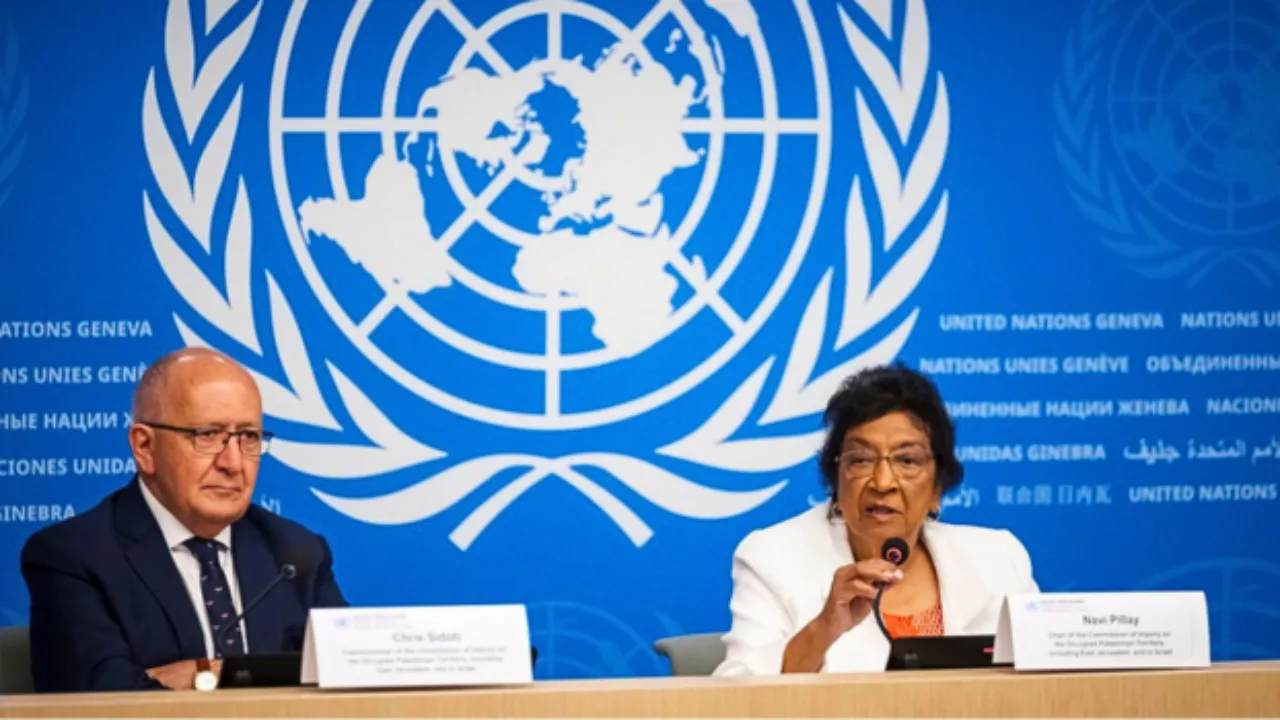
The United Nations, alongside numerous countries, on Tuesday condemned Israel’s strike on Qatar last week, describing it as a “dangerous escalation” and urging accountability for what they called a grave violation of international law.
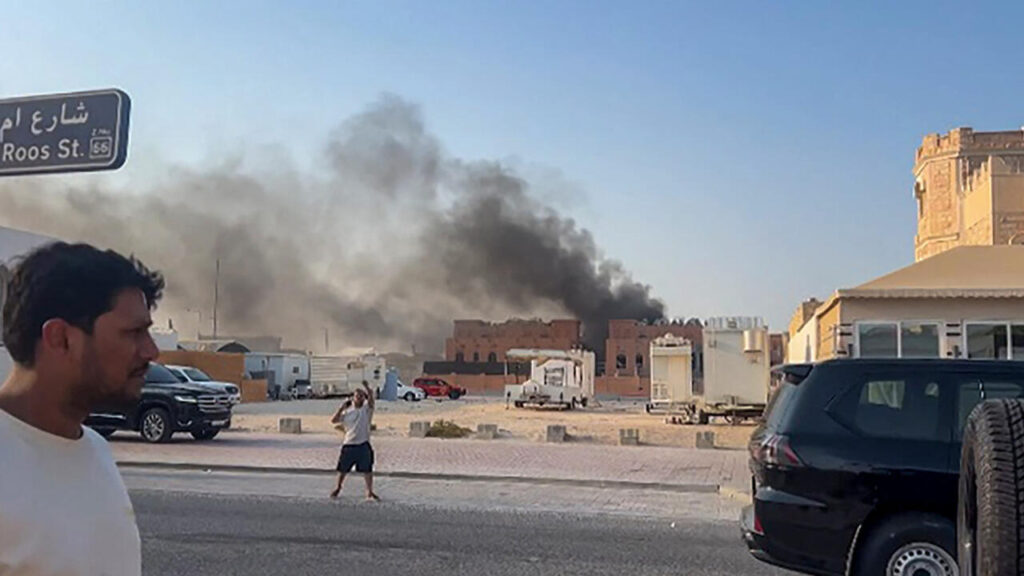
The attack, carried out on September 9 in the Qatari capital, targeted Hamas leaders who were meeting to deliberate on a new US-backed ceasefire proposal for Gaza. The strike killed five Hamas officials and a Qatari security officer, sparking widespread outrage.
“This was a shocking breach of international law,” UN rights chief Volker Turk declared during an urgent Human Rights Council debate convened specifically to address the incident. He further described the action as “an assault on regional peace and stability” and called for “accountability for unlawful killings.”
Qatar’s Minister of International Cooperation, Maryam bint Ali bin Nasser Al-Misnad, sharply criticized what she called Israel’s “treacherous attack,” stressing that the strike was not an isolated incident but part of a wider effort to undermine Qatar’s diplomatic mediation role. She demanded that the global community “take practical steps to hold the aggressors accountable and prevent their impunity.”
Pakistan’s ambassador, Bilal Ahmad, whose country was among those pressing for the emergency session, echoed similar concerns. He warned that “this unjustifiable and unprovoked attack constitutes a dangerous escalation,” highlighting fears that the strike could derail fragile peace efforts.
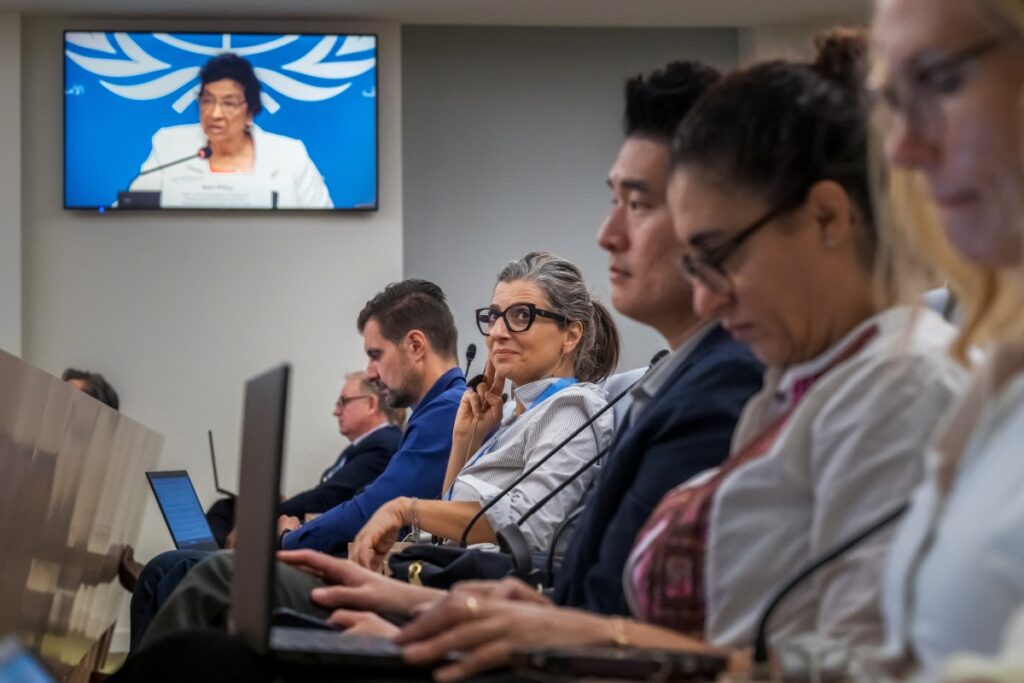
The Human Rights Council confirmed that this marked its 10th urgent debate since its establishment in 2006, a session requested by members of both the Organization of Islamic Cooperation and the Gulf Cooperation Council.
Neither Israel nor its ally the United States, both of which withdrew from the council earlier this year, were present at the debate. Israel’s ambassador in Geneva, Daniel Meron, however, dismissed the meeting from outside the chamber, branding it “yet another shameful chapter in the Human Rights Council’s ongoing abuse.” He accused the body of amplifying “anti-Israel propaganda” while ignoring Hamas’s actions.
Despite his remarks, there was little backing for Israel during the proceedings. European Union ambassador Deike Potzel restated the bloc’s opposition to terrorism “in all its forms,” but reaffirmed support for “the sovereignty and territorial integrity of Qatar.” She urged Israel to comply with international law and cautioned all parties against jeopardizing regional mediation channels.
China’s envoy Chen Xu condemned the attack in the strongest terms, accusing Israel of a “deliberate attempt to derail the negotiation process.” Meanwhile, South Africa, which is already pursuing a genocide case against Israel at the International Court of Justice, was among the most vocal critics. Ambassador Mxolisi Nkosi argued the strike undermined mediation efforts and revealed that “Israel does not want to end its genocidal war against the Palestinian people.” He urged the international community to take “practical countermeasures” to ensure Israel is not shielded from accountability.
What you should know
The Israeli strike in Qatar has drawn intense international condemnation, with many nations seeing it as a direct attack on regional diplomacy and mediation efforts.
By targeting Hamas leaders during discussions over a US ceasefire proposal, the strike not only caused loss of life but also heightened tensions at a critical moment for Gaza and the wider Middle East. Qatar, long positioned as a key mediator in regional conflicts, views the attack as an attempt to undermine its role, while the UN and major powers are framing it as a violation of international law.
Israel, however, maintains that the Human Rights Council’s reaction is biased. The fallout from this event may complicate ceasefire negotiations and deepen diplomatic divisions over Israel’s conduct in Gaza.