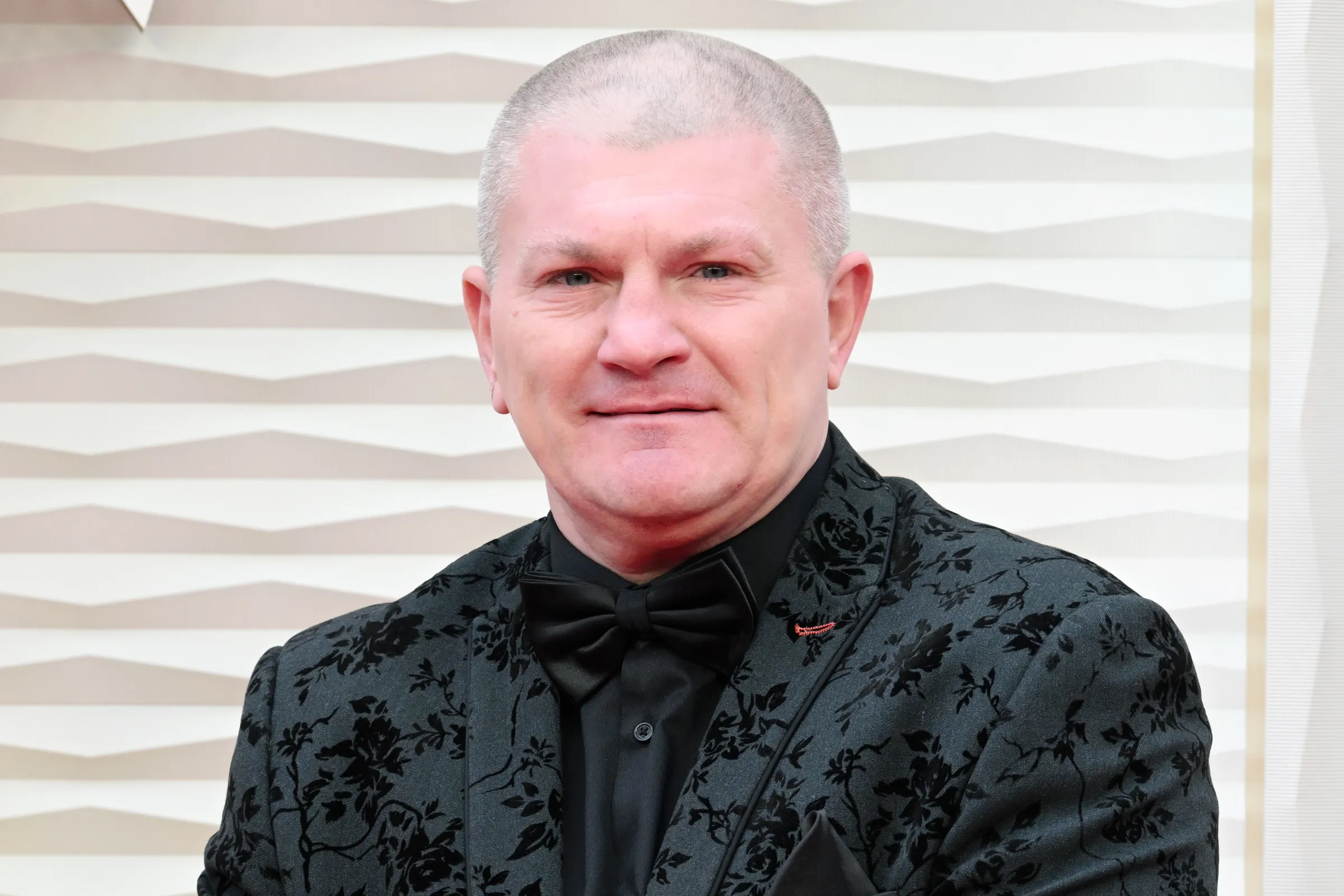
British boxing great Ricky Hatton, a former two-division world champion, has died at the age of 46, according to multiple reports confirmed by authorities on Sunday morning.
Greater Manchester Police discovered Hatton’s body at his home in Hyde at approximately 6:45 AM local time following a call from a member of the public. Authorities have stated that the death is not being treated as suspicious.
The news sends shockwaves through the international boxing community, as Hatton was widely regarded as one of Britain’s most beloved fighting sons during the sport’s golden era in the 2000s. Nicknamed “The Hitman” for his relentless pressure style and devastating body shots, Hatton carved out a legacy that transcended the ring, becoming a cultural icon who brought Manchester’s working-class spirit to the global stage.
Hatton’s professional journey, spanning from 1997 to 2012, was marked by both soaring highs and devastating lows. His finest hour came in June 2005 when he traveled to Manchester Arena and dismantled the previously unbeatable Kostya Tszyu, stopping the Australian legend in the 11th round to claim the IBF light-welterweight title. The performance, witnessed by a raucous hometown crowd, established Hatton as a legitimate world-class fighter and remains etched in British boxing folklore.
Building on that momentum, Hatton assembled an impressive 43-0 record before encountering the unforgiving reality of elite-level boxing. His dream run ended in December 2007 at the MGM Grand in Las Vegas, where Floyd Mayweather Jr.’s clinical precision exposed the limitations of Hatton’s aggressive style, culminating in a 10th-round knockout that left the Manchester man unconscious on the canvas.
Two years later, Hatton faced another pound-for-pound great in Manny Pacquiao, only to suffer an even more devastating defeat—a savage second-round knockout that effectively ended his championship aspirations. The back-to-back losses against boxing’s elite marked the beginning of a dark chapter that would define Hatton’s post-fighting years.
What made Hatton’s story particularly compelling was his candid acknowledgment of the mental health struggles that plagued him throughout and after his career. In numerous interviews, the former champion spoke openly about battling depression, substance abuse, and suicidal ideation—a level of vulnerability rarely seen from athletes of his stature.
“After boxing, my life became a runaway train,” Hatton had admitted in previous interviews, describing a descent into alcohol and drug abuse that he characterized as multiple suicide attempts. His willingness to discuss these struggles publicly helped destigmatize mental health conversations in professional sports, though it also highlighted the inadequate support systems available to fighters transitioning from active competition.
In a cruel twist of fate, Hatton had recently announced plans for a comeback fight scheduled for Dubai in late 2025. Social media posts showing the 46-year-old training had generated considerable excitement among fans who remembered his glory days. The prospect of “The Hitman” returning to the ring, even at an advanced age, had captured the imagination of boxing enthusiasts worldwide.
Tributes have poured in from across the boxing fraternity, with former opponents and contemporaries leading the chorus of remembrance. Manny Pacquiao, who delivered that fateful knockout punch in 2009, described Hatton as “a warrior in the ring and a gentleman outside of it.” Prominent promoter Frank Warren called him “a true British great who inspired a generation.”
The outpouring reflects Hatton’s unique position in British boxing—a fighter who represented the dreams and aspirations of working-class fans while never losing touch with his roots in Hyde. His fights became cultural events that transcended sport, with thousands of Manchester fans traveling to Las Vegas to create an atmosphere more reminiscent of a football match than a boxing bout.
Hatton’s final record of 45 wins from 48 professional fights tells only part of his story. His influence extended far beyond statistical achievements, encompassing his role as a trainer, promoter, and mental health advocate in his later years. The Ricky Hatton Academy became a breeding ground for young talent, while his openness about personal struggles provided a template for athletes dealing with similar challenges.
As the boxing world grapples with this sudden loss, Hatton’s legacy remains complex but undeniably significant. He was a fighter who achieved the highest peaks of his sport while confronting its deepest valleys—a human story of triumph, tragedy, and the ongoing battle for redemption that resonated far beyond the confines of the ring.
The investigation into the circumstances of his death continues, though authorities have emphasized no suspicious circumstances are suspected. For now, the boxing community mourns the loss of a genuine warrior whose impact on British boxing will endure long after the final bell has sounded.
WHAT YOU SHOULD KNOW
British boxing legend Ricky Hatton, 46, was found dead at his Manchester home Sunday morning in what police confirm were not suspicious circumstances. The former world champion, who openly battled mental health issues and substance abuse after retiring, had recently announced a comeback fight planned for 2025.
His death highlights the ongoing mental health crisis affecting former professional athletes, particularly boxers transitioning from elite competition.
Hatton’s legacy extends beyond his 45-48 fight record—he became a voice for mental health awareness in sports, making his sudden passing all the more tragic for a fighter who had seemingly found hope in his planned return to the ring.