Gold prices continued their relentless march higher on Friday, trading within striking distance of this week’s record peaks as mounting evidence of labor market deterioration reinforced investor confidence that the Federal Reserve will begin cutting interest rates next week for the first time this year.
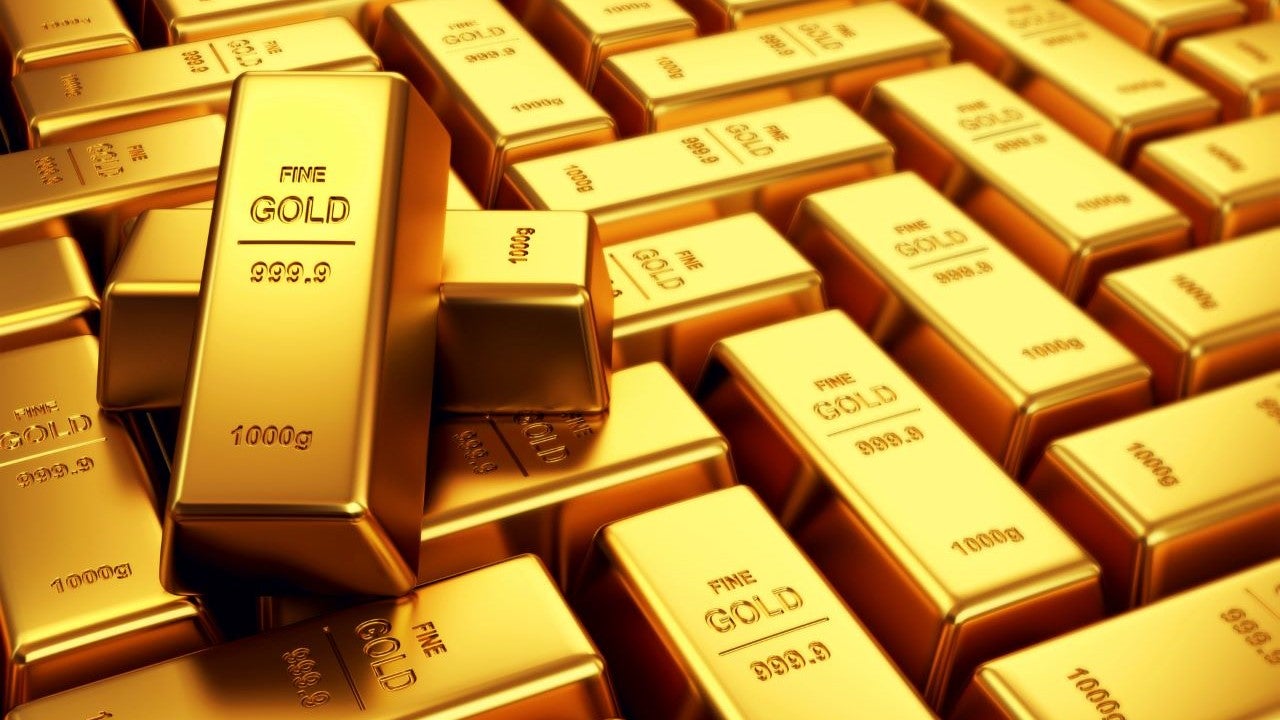
Spot gold climbed 0.4% to $3,649.54 per ounce by mid-morning, hovering just below Tuesday’s historic high of $3,673.95. The precious metal has now posted gains for four consecutive weeks, accumulating a 1.8% advance over the current trading period. December gold futures mirrored the spot market’s strength, rising 0.4% to $3,688.10.
The yellow metal’s impressive rally reflects a fundamental shift in market dynamics, where investors are increasingly betting that economic softness will prompt the central bank to pivot toward monetary easing despite persistent inflationary pressures.
“Weaker employment and spotty inflation… priced in with the Fed having to cut rates is pushing metals higher because there is the risk of longer-term inflation,” explained Daniel Pavilonis, senior market strategist at RJO Futures, capturing the complex interplay between economic data and precious metals pricing.
Labor Market Weakness Takes Center Stage
Recent economic indicators have painted a mixed but concerning picture of the U.S. economy. Weekly jobless claims surged unexpectedly, signaling potential cracks in what has been a remarkably resilient employment market. Paradoxically, consumer prices registered their sharpest monthly increase in seven months during August, presenting policymakers with a challenging backdrop for monetary policy decisions.
However, investors appear to be prioritizing employment concerns over inflation persistence when handicapping Federal Reserve policy. This shift in focus has dramatically altered rate cut expectations, with Fed funds futures now fully pricing in a 25-basis-point reduction at the September 17 Federal Open Market Committee meeting. While speculation about a more aggressive 50-basis-point cut has diminished, the certainty of some form of easing has provided substantial tailwinds for gold.
Institutional Optimism Drives Long-Term Projections
The bullish sentiment extends well beyond short-term trading dynamics. UBS analyst Giovanni Staunovo has raised his price target significantly, projecting that gold could reach $3,900 per ounce by mid-2026. This optimistic forecast is underpinned by recent strength in exchange-traded fund flows, indicating renewed institutional and retail investor appetite for precious metals exposure.
Gold’s 39% year-to-date surge exemplifies its traditional role as both an inflation hedge and a beneficiary of lower interest rate environments. The metal typically thrives when real yields decline, as lower rates reduce the opportunity cost of holding non-yielding assets while simultaneously raising concerns about currency debasement.
Global Policy Developments Add Support
International developments are also contributing to the precious metals complex’s strength. China’s central bank announced Friday that it is seeking public feedback on proposed reforms to simplify gold import and export regulations through streamlined licensing procedures. Such policy adjustments from the world’s largest gold consumer could potentially boost demand and provide additional price support.
Broad-Based Precious Metals Rally
The bullish momentum has extended across the entire precious metals spectrum. Silver, often viewed as gold’s more volatile cousin, surged 1.3% to $42.08 per ounce, reaching a 14-year high. The industrial metals platinum and palladium also participated in the rally, gaining 1.4% and 2.2%, respectively, to trade at $1,397.61 and $1,214.70. All four major precious metals are positioned for weekly gains, underscoring the sector’s broad appeal amid current market conditions.
As markets head into the crucial Federal Reserve meeting next week, gold’s position near record highs reflects investor conviction that monetary policy accommodation lies ahead, potentially ushering in a new phase of precious metals outperformance in an environment where traditional portfolio diversification strategies are being reassessed.
The convergence of weakening labor market data, persistent inflation concerns, and shifting central bank policy expectations has created what many analysts view as an ideal backdrop for continued precious metals strength, with gold leading the charge toward uncharted territory.
WHAT YOU SHOULD KNOW
Gold prices are surging to near-record highs primarily because the Federal Reserve is expected to cut interest rates next week for the first time this year. Despite rising inflation, weakening job market data is convincing investors that rate cuts are inevitable. Lower interest rates make gold more attractive since they reduce the opportunity cost of holding non-yielding assets.
With gold already up 39% this year and analysts predicting $3,900 per ounce by mid-2026, this represents a fundamental shift toward monetary easing that could drive precious metals significantly higher. The entire precious metals sector is rallying, with silver hitting 14-year highs, signaling broad investor confidence in this trade.