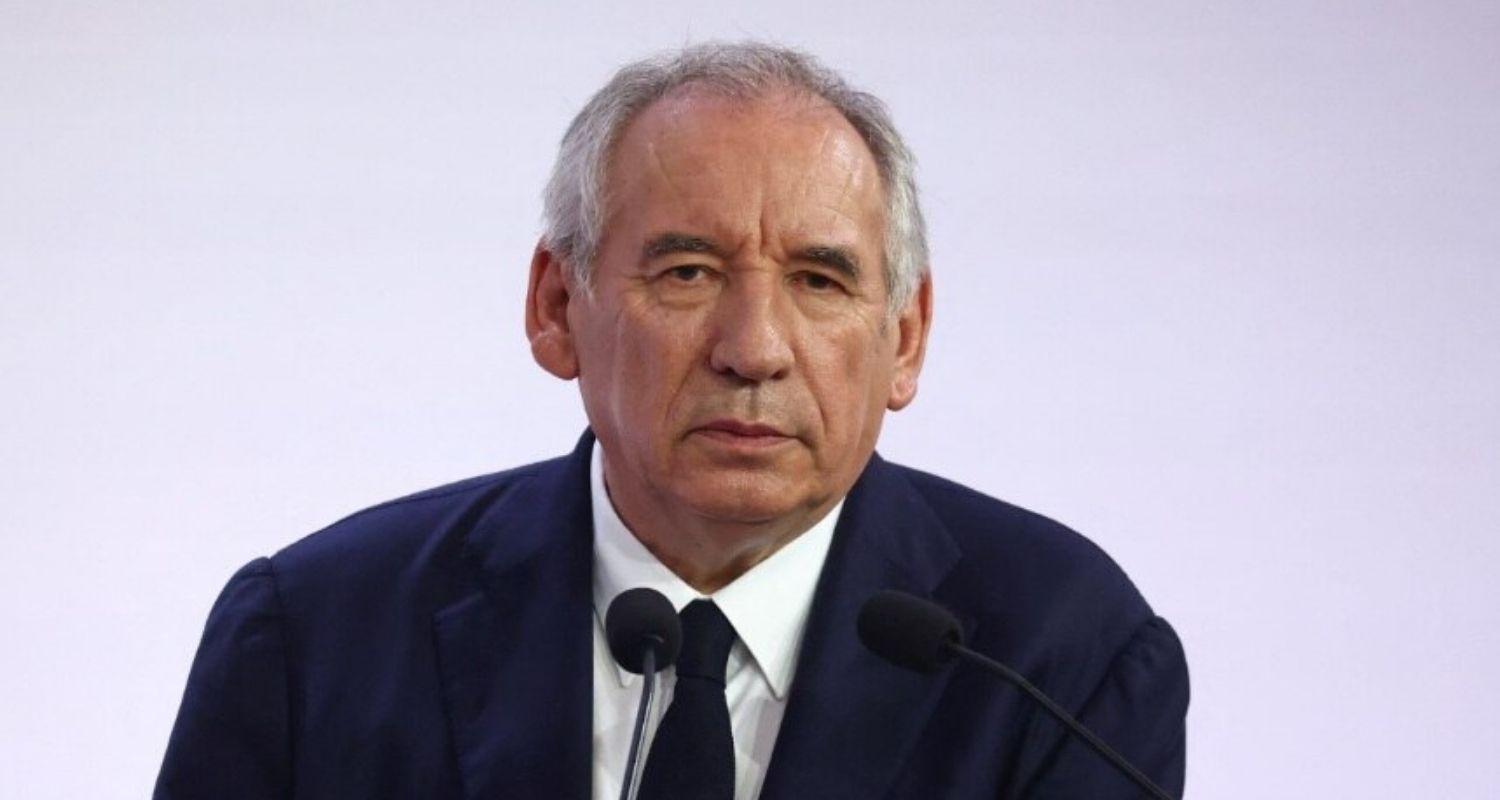
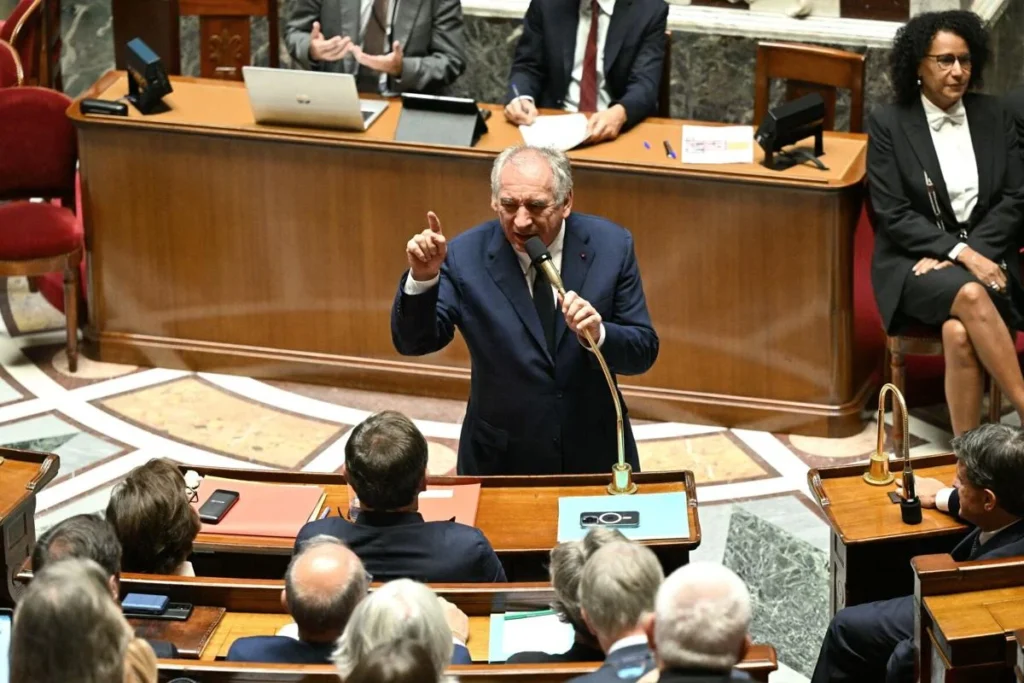
Prime Minister Francois Bayrou submitted his resignation to President Emmanuel Macron on Tuesday after France’s parliament voted to oust his government, leaving the French leader under pressure to quickly appoint a successor in the midst of a worsening political crisis.
Bayrou had called for the confidence vote himself, but the move backfired on Monday, resulting in a heavy defeat that plunged France into fresh political uncertainty. Macron now faces the task of naming the seventh prime minister of his presidency.
The French presidency confirmed in a statement that Macron “took note” of the outcome and would appoint a new premier “in the next days,” ending speculation that he might instead dissolve parliament and call snap elections.
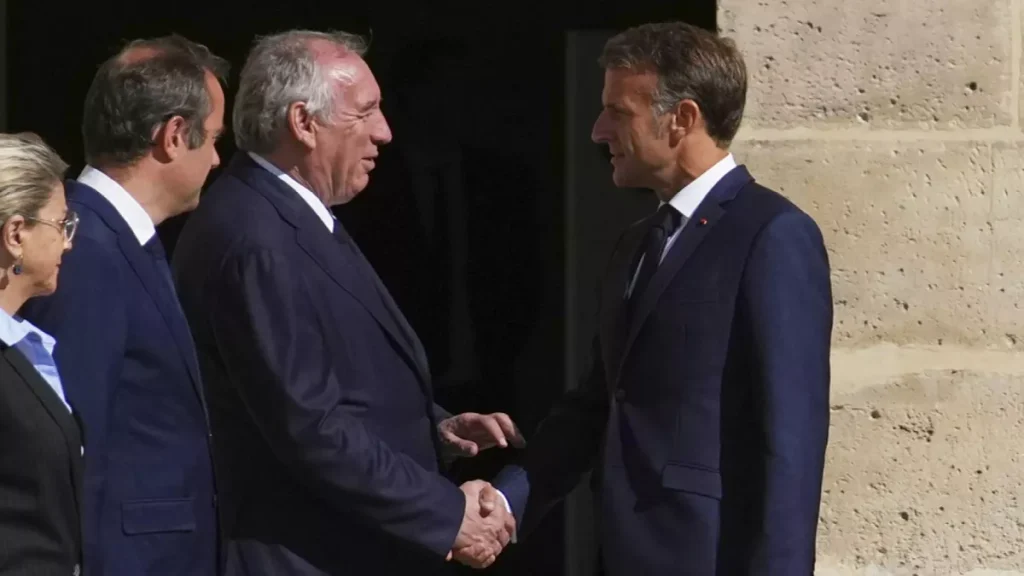
Bayrou was seen arriving at the Elysee Palace on Tuesday to formally present his resignation and left just over an hour later. A source close to him confirmed the resignation, noting that he would remain in charge on a caretaker basis until his successor is announced.
Although Macron has often been slow to select prime ministers in the past, analysts believe he cannot afford delays this time, given the risk of financial turbulence and further political instability. “Emmanuel Macron is now in the front line to find a solution to the political crisis,” wrote the Liberation daily.
Markets reacted swiftly, with France’s borrowing costs rising slightly above those of Italy, which has long been considered one of Europe’s most financially vulnerable economies.
Bayrou’s downfall was rooted in his decision to force a confidence vote over his austerity budget, which aimed to cut nearly €44 billion ($52 billion) in spending to reduce France’s mounting debt. The gamble failed when 364 deputies voted against the government, compared with 194 who backed it.
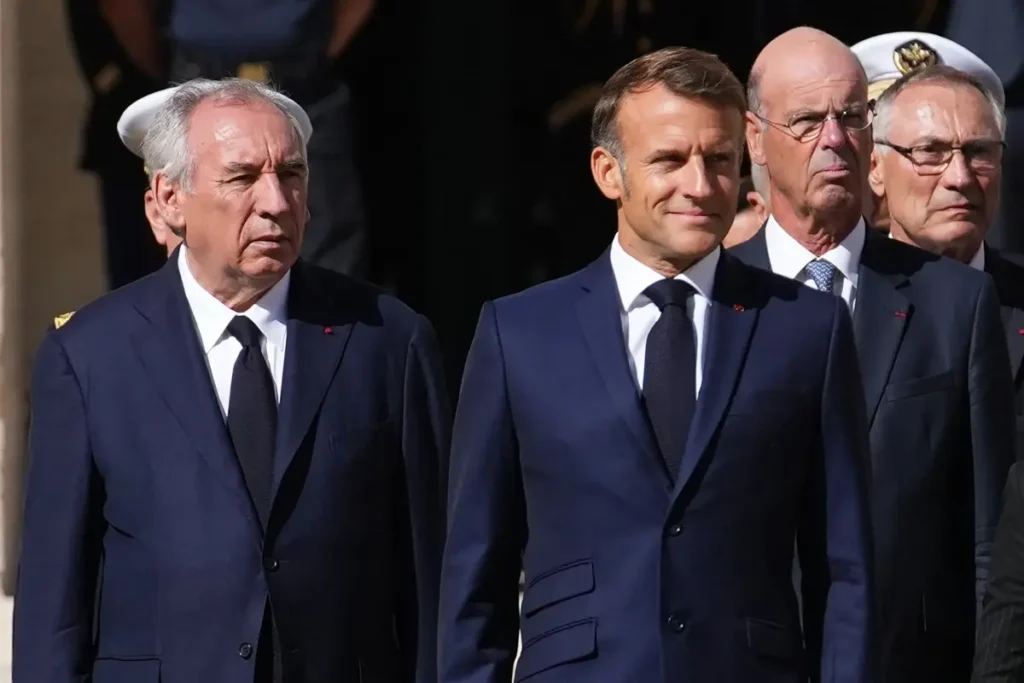
Bayrou, who became Macron’s sixth prime minister since 2017 and the fifth since 2022, followed Michel Barnier, who was also ousted through a no-confidence vote in December. The turmoil stems largely from the 2024 legislative elections that left parliament deeply divided. “Emmanuel Macron, a vulnerable president,” wrote Le Monde.
The French leader now faces one of the most consequential domestic choices of his tenure. While the Socialist Party has signaled its readiness to form a government under its leader Olivier Faure, doubts remain over whether such a coalition could survive in the fractured assembly.
Macron may instead turn to a centrist figure he trusts, with Defence Minister Sebastien Lecornu emerging as a strong contender. Lecornu, who has overseen France’s military response to Russia’s war in Ukraine, is considered loyal and effective, with no presidential ambitions of his own. Other potential candidates include Health Minister Catherine Vautrin, Finance Minister Eric Lombard, or National Assembly speaker Yael Braun-Pivet, who may find it easier to gain support from the centre-left.
The political deadlock coincides with rising social tensions. A leftist group known as “Block Everything” has called for nationwide action on Wednesday, while trade unions are mobilizing strikes for September 18. Interior Minister Bruno Retailleau warned that “we need a prime minister very rapidly” to prevent a “power vacuum” during the upcoming demonstrations.
Looking further ahead, the 2027 presidential election looms over French politics. With Macron barred from seeking a third term, analysts believe the far-right stands its best chance yet of claiming the presidency. Marine Le Pen’s hopes, however, rest on the outcome of an appeal next year over her conviction in a European Parliament jobs scandal that currently prevents her from running.
National Rally leader Jordan Bardella reinforced the far right’s challenge on Tuesday, telling RTL that his party would oppose any government that fails to “break with the politics of the last eight years” and renewed calls for early legislative elections.
What you should know
Francois Bayrou resigned after losing a confidence vote over his austerity budget, intensifying France’s political crisis.
President Emmanuel Macron must now appoint his seventh prime minister since 2017, with potential successors ranging from Defence Minister Sebastien Lecornu to Socialist leader Olivier Faure, all while social unrest and the looming 2027 election add to the uncertainty.