Leaders of the BRICS bloc have strongly criticized what they described as economic protectionism and “tariff blackmail” during a virtual summit held Monday against the backdrop of an intensifying trade conflict with US President Donald Trump.
The 11-member coalition of emerging economies convened via videoconference at the request of Brazil’s President Luiz Inácio Lula da Silva, whose office emphasized the need to respond to the “intensification of unilateral measures” disrupting global trade.
Together, BRICS nations account for nearly 40 percent of global GDP and close to half of the world’s population. Several member states are among the hardest hit by what Lula on Monday called “unjustified and illegal” trade practices.
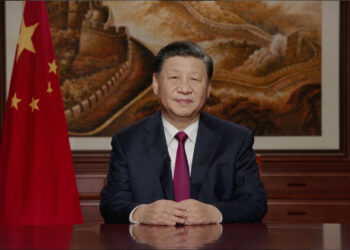
China’s President Xi Jinping, addressing the meeting, urged members to protect “the multilateral trading system with the World Trade Organization at its core” and to firmly reject “all forms of protectionism.”
Brazil has already felt the sting of Washington’s actions, with exports to the US dropping by 18.5 percent year-on-year in August after Trump imposed his highest tariff level yet—50 percent—on Brazilian goods. Trump claims the measure is in retaliation for what he calls a “witch hunt” against his ally and Brazil’s former leader, Jair Bolsonaro, who currently faces trial for allegedly plotting to overturn the 2022 election. A verdict is expected this week.
“Tariff blackmail is being normalized as an instrument to conquer markets and interfere in domestic affairs,” Lula warned.
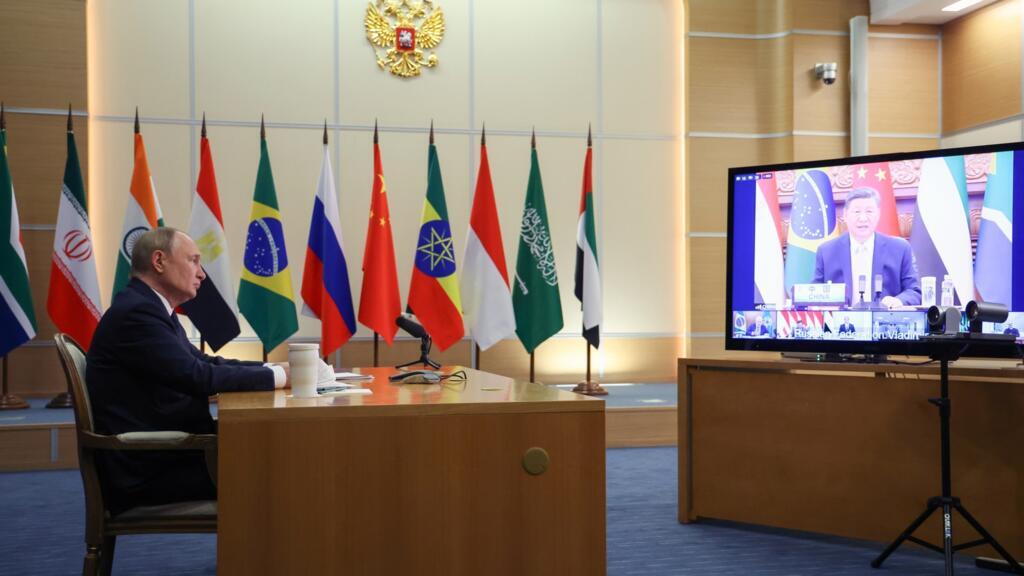
India, another BRICS member, was targeted with US tariffs of up to 50 percent, with Washington accusing New Delhi of supporting Russia’s war in Ukraine through oil purchases. Russia’s President Vladimir Putin, who also joined the meeting, had days earlier met in China with Xi, India’s Prime Minister Narendra Modi, and North Korea’s Kim Jong-un, where regional leaders denounced “bullying behavior,” a veiled swipe at Washington.
South Africa too has faced penalties, with Trump’s administration imposing a 30 percent tariff, the steepest in sub-Saharan Africa. The move worsened tensions ahead of the G20 summit in South Africa later this year, which Trump has said he will not attend.
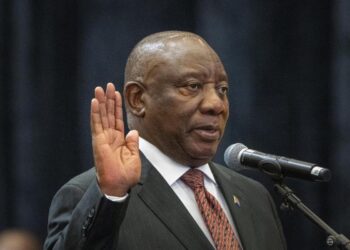
In his address, South Africa’s President Cyril Ramaphosa said, “Unilateral tariff actions are contributing to an increasingly protectionist environment, which poses great hardships and danger for the countries of the Global South.”
Trump has long threatened additional tariffs on BRICS members, accusing them of undermining the global economy. But Xi Jinping reiterated Monday that no matter the shifting global landscape, BRICS must remain committed to “building an open global economy, sharing opportunities, and achieving win-win results through openness.”
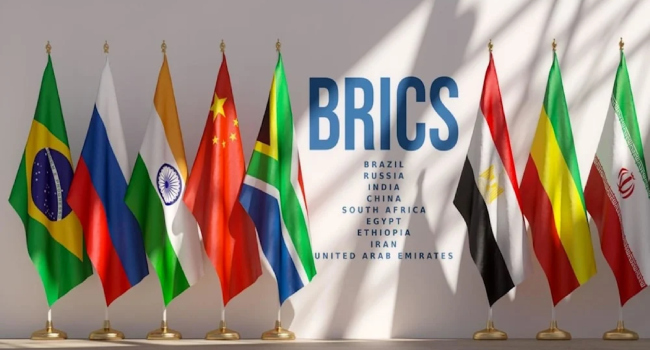
The BRICS group now includes Indonesia, Egypt, Ethiopia, Iran, Saudi Arabia, and the United Arab Emirates, expanding its influence across multiple regions.
What you should know
The BRICS bloc, originally made up of Brazil, Russia, India, China, and South Africa, has expanded into a powerful 11-member coalition representing nearly half of humanity.
The latest standoff with the United States highlights the growing tension between Washington’s protectionist trade policies and BRICS nations’ push for a more inclusive global economic order.