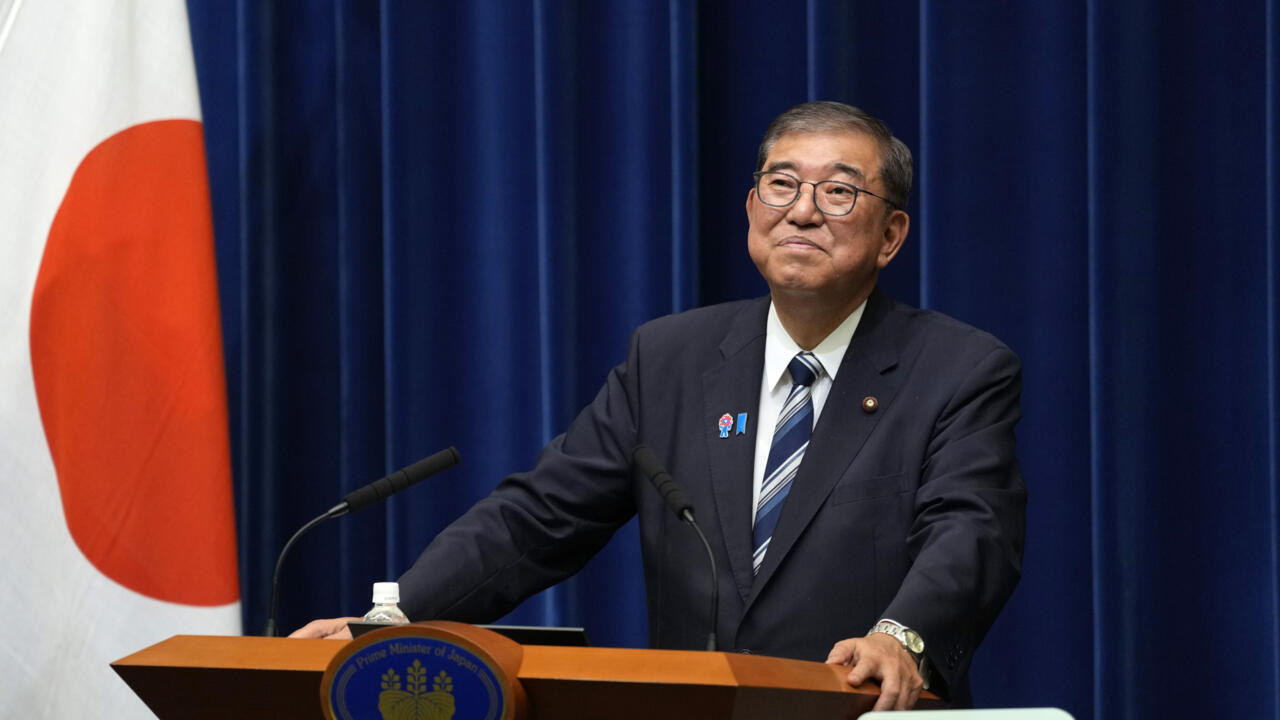
Japan’s Prime Minister Shigeru Ishiba has announced his decision to resign after less than a year in office, a move that deepens political uncertainty in the world’s fourth-largest economy at a time of mounting economic and trade pressures.
Ishiba, who took over leadership of the ruling Liberal Democratic Party (LDP) in September 2024, revealed his plan on Sunday, citing the need for the party to prepare for a leadership election.
Speaking at a news conference, the 68-year-old leader explained that his resignation was timed with the conclusion of trade talks with Washington. “Now that negotiations on US tariff measures have reached a conclusion, I believe this is the appropriate moment,” Ishiba said. “I have decided to step aside and make way for the next generation.”
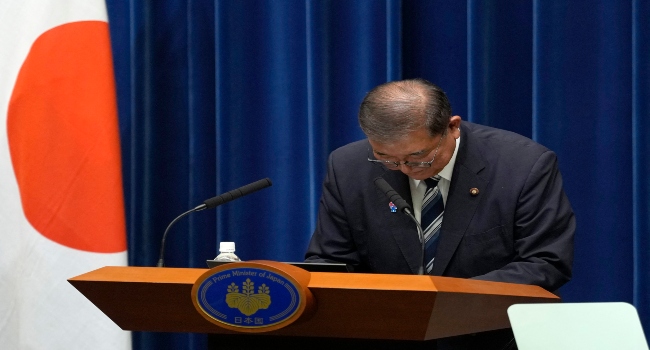
His departure comes shortly after US President Donald Trump signed an order reducing tariffs on Japanese automobiles from 27.5 percent to 15 percent. Although the adjustment offers some relief, the levy remains a heavy burden on Japan’s auto industry, a vital sector of its economy.
Ishiba, often described as a steady and experienced politician, became Japan’s 10th prime minister from the LDP since 2000, reflecting the frequent leadership changes within the party. However, public sentiment remains cautious about what comes next. “We have switched prime ministers many times. I’m worried that no matter who the new prime minister will be, nothing will change,” said 25-year-old Tokyo resident Yuri Okubo, sharing her concerns in the midst of a hot afternoon in the capital.
Mounting pressure had been building against Ishiba for months. His critics blamed him for the LDP’s disappointing performance in July’s upper chamber elections, where the party lost significant ground. The following October, the LDP suffered its worst lower house election outcome in 15 years, intensifying calls for him to take responsibility. Reports indicated that Ishiba wanted to prevent a deeper split within the party, but could not withstand the growing demand for his resignation.
Senior party members also made their stance clear. Four top LDP officials, including the party’s secretary-general Hiroshi Moriyama, offered to resign last week. Meanwhile, both the farm minister and a former prime minister met Ishiba privately on Saturday night, urging him to voluntarily step down.
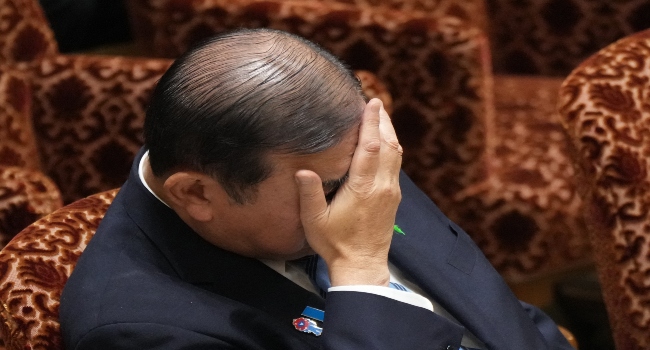
Ishiba’s tenure as party leader was originally expected to run until September 2027, but he confirmed he would not contest the upcoming leadership race. “While striving to accommodate many people and foster harmony, my sincere efforts resulted in losing my particular path,” Ishiba admitted, acknowledging the difficulties of his time in office.
Attention now shifts to potential successors. Sanae Takaichi, a hardline nationalist and Ishiba’s most formidable rival in the last leadership contest, has all but declared her intention to run. A recent Nikkei poll placed Takaichi as the most “fitting” candidate to succeed Ishiba, with farm minister Shinjiro Koizumi coming in second. However, the survey also revealed that 52 percent of respondents believed a leadership contest was unnecessary, reflecting public fatigue with Japan’s revolving-door leadership.
Despite Ishiba’s moderate stance and promises of a “new Japan” when he was elected LDP leader on his fifth attempt, public frustrations have continued to rise. Widespread discontent stems from corruption scandals within the LDP, climbing food prices—particularly rice—falling living standards, and voters shifting support to alternative parties, including the populist Sanseito.
When Ishiba took office, his leadership was welcomed by both China and South Korea, who hoped his approach would help mend strained regional ties. Yet his brief tenure has ended in resignation, underscoring the persistent instability within Japanese politics.
What You Should Know
Shigeru Ishiba has resigned as Japan’s prime minister after less than a year, citing the conclusion of US tariff negotiations as the right moment to step down.
His resignation follows poor election results and mounting calls for him to quit, leaving the ruling LDP facing yet another leadership contest amid economic challenges and voter discontent.