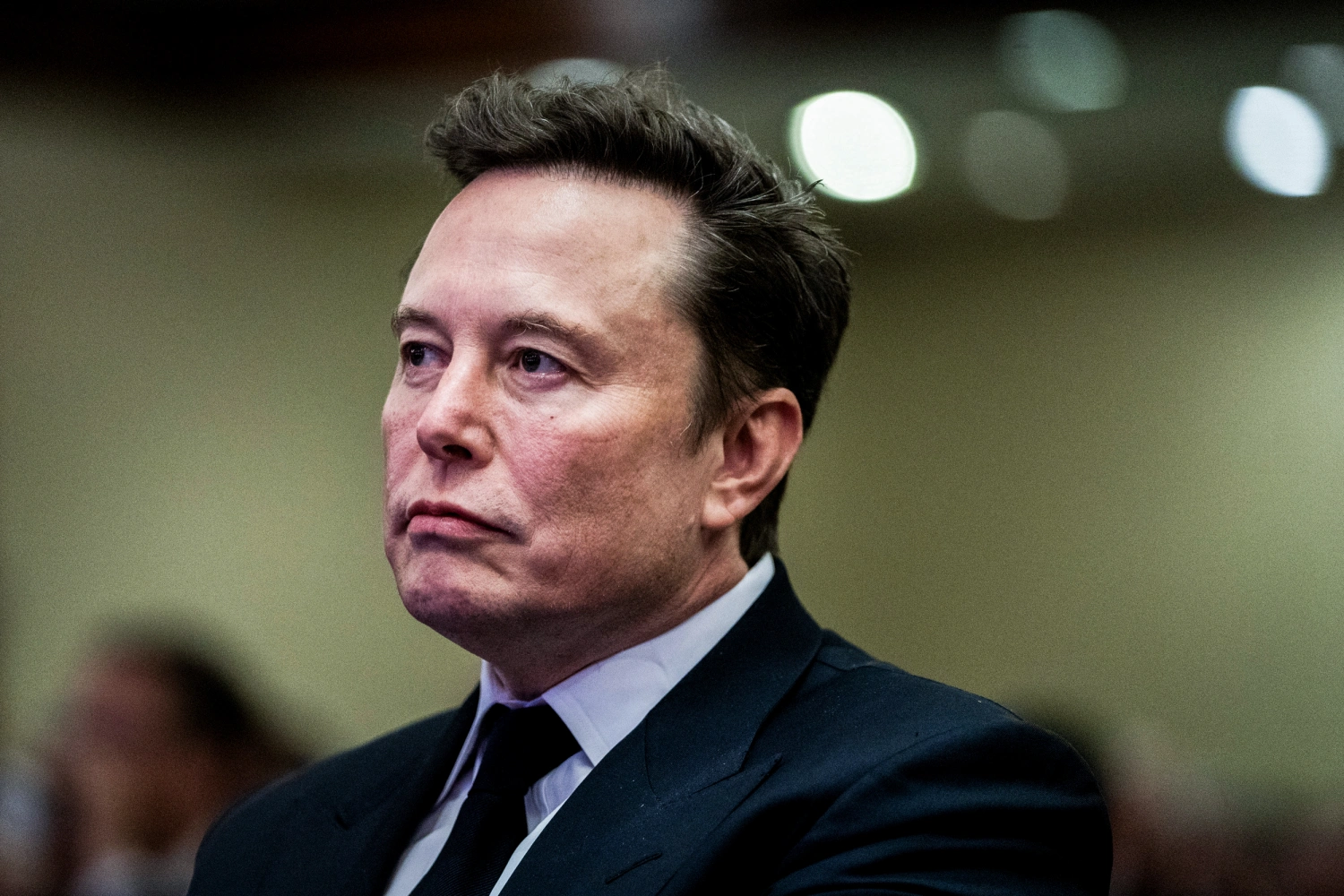
Tesla has unveiled a new compensation plan for CEO Elon Musk that could surpass $1 trillion if the company achieves extraordinary growth targets through advances in artificial intelligence and autonomous technologies.
The proposal, detailed in a filing with the US Securities and Exchange Commission, would grant Musk up to 12 percent of additional company shares. To secure the full package, Tesla must achieve a market value of “at least $8.5 trillion by 2035,” with a shareholder vote on the plan scheduled for November.
Currently valued at just over $1 trillion—below its peak after recent weaker earnings—Tesla faces challenges, including slowing sales, which some analysts have linked to Musk’s political alliances with far-right figures. Still, Musk has remained confident, saying in July that if Tesla meets its goals for AI and self-driving technology, “Tesla will be the most valuable company in the world by far.”
Following the announcement, Tesla shares rose, reflecting investor support for tying Musk’s pay directly to long-term performance. Earlier this month, Tesla had already granted Musk an “interim” award worth around $29 billion, citing the need to retain him amid fierce competition for visionary executives.
The company is also appealing a Delaware court ruling that voided Musk’s 2018 compensation plan, previously valued at $55.8 billion. In a letter to shareholders, Tesla Chair Robyn Denholm and board member Kathleen Wilson-Thompson described the new proposal as “a super ambitious incentive package for a pioneering, ambitious and unique CEO.”
The filing lays out steep performance conditions, including the deployment of one million robotaxis and one million AI bots. “If Elon achieves all the performance milestones under this principle-based 2025 CEO Performance Award, his leadership will propel Tesla to become the most valuable company in history,” the board members wrote.
However, Tesla also acknowledged that the size of the award could fuel public backlash. The company warned that negative perceptions of the plan “may result in negative publicity for Tesla, which could materially and adversely affect our business, results of operations or financial condition.” Musk’s polarizing image has already been reflected in polls; a Gallup survey in August ranked him the least popular of 14 global figures, with a 33 percent favorable rating and 61 percent unfavorable.
Under the plan, Musk’s potential payout is structured across 12 milestones tied to market capitalization. The first tranche unlocks at $2 trillion, with additional tranches for every $500 billion increase. The proposal also includes operational benchmarks such as producing 20 million vehicles, and it requires Musk to remain at Tesla for at least seven and a half years, or 10 years to earn the full package.
If completed, the award would boost Musk’s ownership stake to more than 25 percent of Tesla’s total shares. Analysts like Garrett Nelson of CFRA expect investors to approve the plan, noting, “For Musk to even hit the first tranche, the stock basically has to double in value. Investors like the fact that the pay package aligns with shareholder interests.”
Despite Musk’s reputation for building Tesla and SpaceX into global giants, concerns remain over Tesla’s slowing sales, shrinking profits, and lack of new model rollouts. The much-anticipated Cybertruck, for instance, struggled to attract buyers.
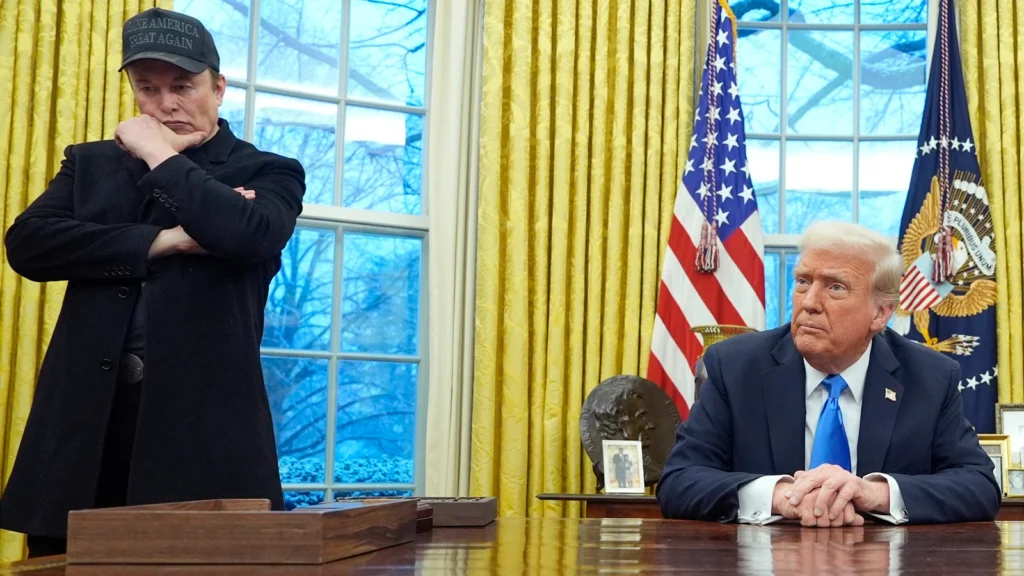
Musk’s political activity has also drawn attention. After briefly serving in the early months of US President Donald Trump’s 2025 administration, he left Washington following tensions with the Republican leader. Although their clashes dominated headlines earlier in the year, relations have since quieted.
Tesla shares were up 2.5 percent at midday trading on Friday after the plan was revealed.
What You Should Know
Tesla’s proposed $1 trillion pay package for Elon Musk is unprecedented in scale and ties his rewards directly to the company’s ability to grow into the world’s most valuable business.
While investors appear supportive, critics warn that the deal could worsen public discontent, especially given Tesla’s recent struggles. Musk’s influence remains central to Tesla’s future, but the stakes—and the risks—are higher than ever.