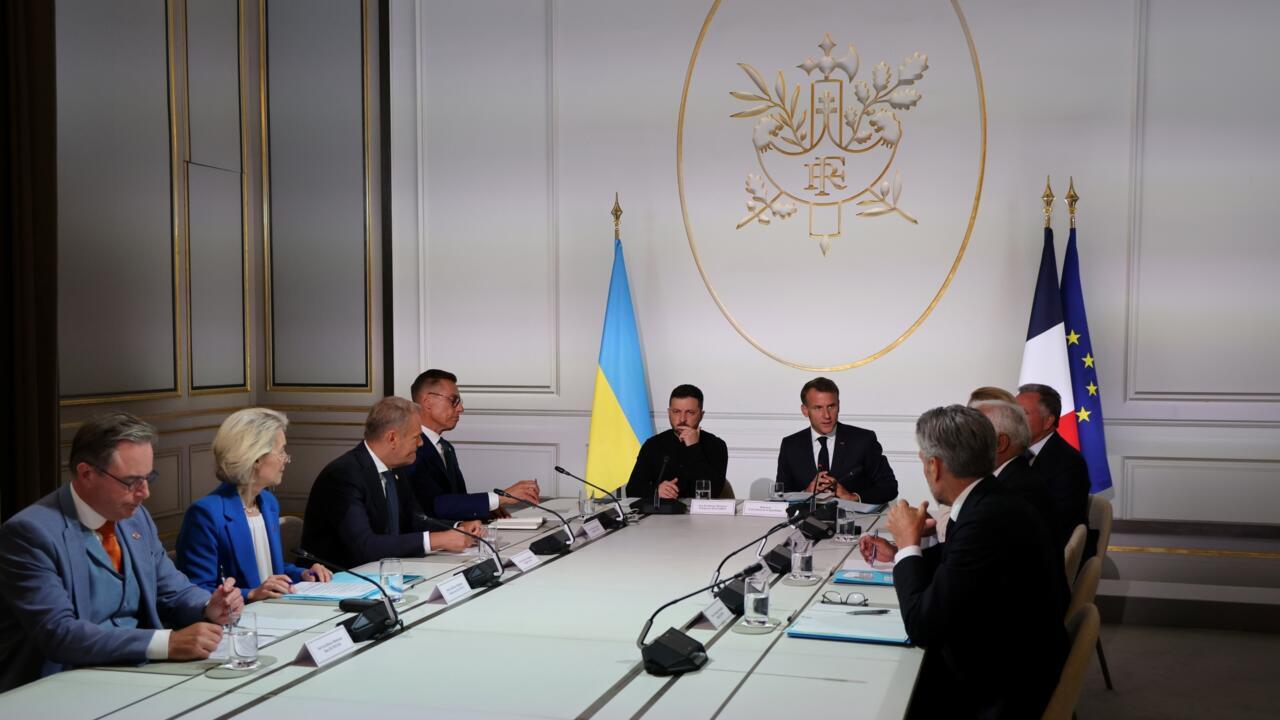
More than two dozen countries have pledged to join a multinational force that will be stationed in Ukraine following any peace agreement with Russia.
The initiative, unveiled Thursday, is designed to deter Moscow from launching fresh aggression against its neighbour.
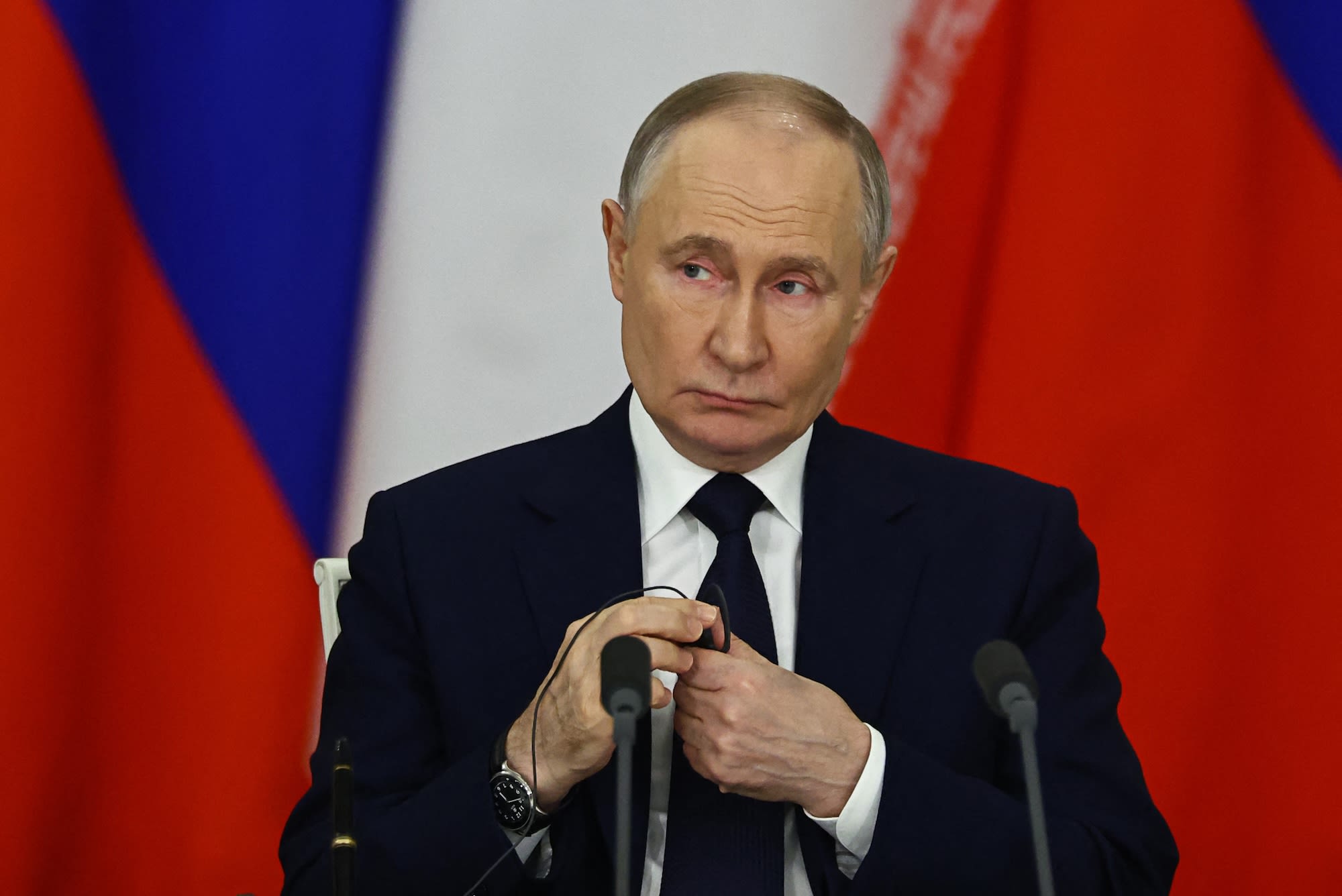
The proposed “reassurance force” is part of broader security guarantees being crafted by a coalition of mainly European countries to protect Ukraine once hostilities subside. However, concerns are mounting that Russian President Vladimir Putin is showing little willingness to negotiate peace, particularly after his recent high-profile visit to Beijing.
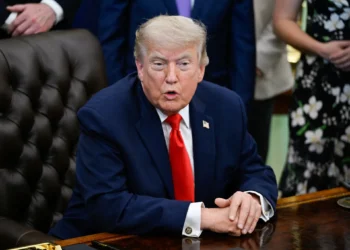
Questions also linger over the role of the United States. Although President Donald Trump spoke to European leaders via video conference following the Paris summit, the extent of Washington’s participation in the plan remains unclear. Trump’s special envoy, Steve Witkoff, represented the US at the meeting and also held private discussions with Ukrainian President Volodymyr Zelensky.
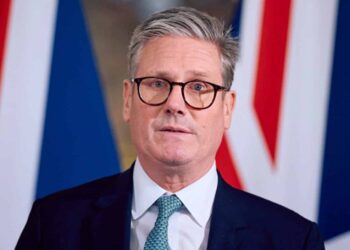
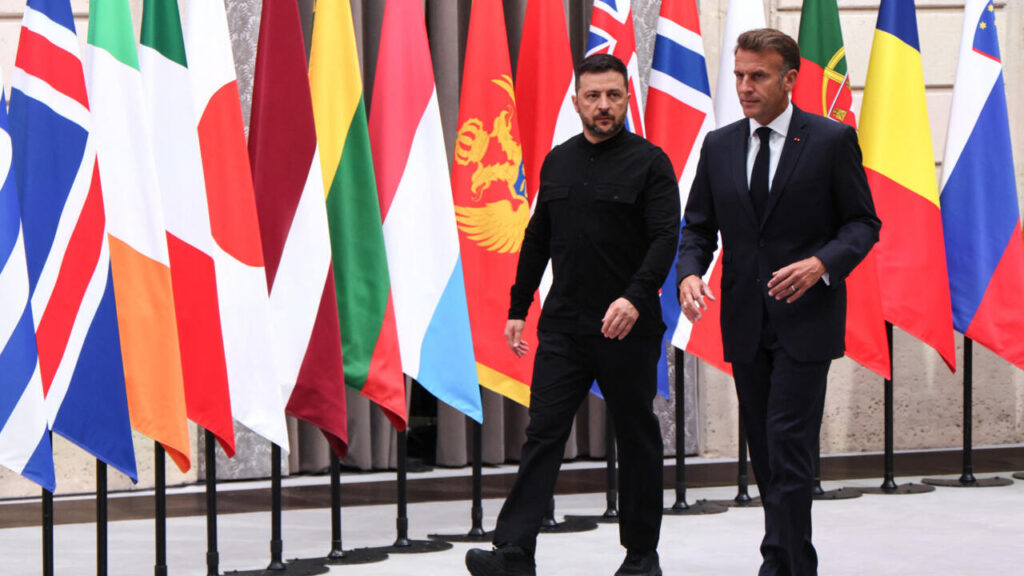
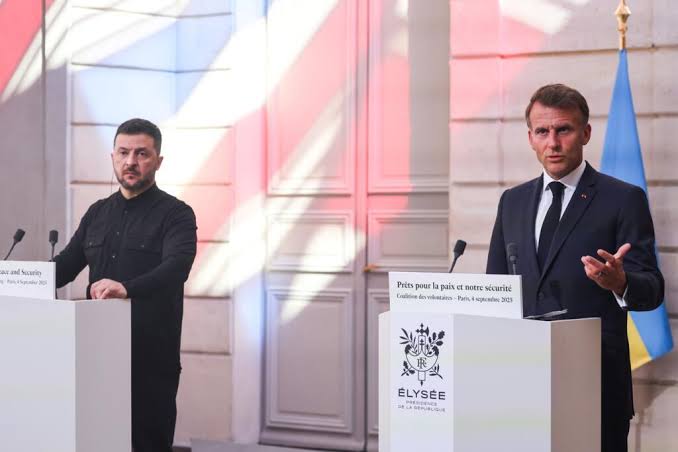
The Paris gathering was hosted by French President Emmanuel Macron, with Zelensky present in person and UK Prime Minister Keir Starmer joining remotely. Macron has sought to demonstrate Europe’s ability to act independently of Washington, especially after Trump reshaped US foreign policy and reopened dialogue with Putin upon returning to office.
‘First Serious Step’
Three and a half years into Russia’s full-scale invasion, European leaders face mounting pressure to deliver stronger support. Macron announced that 26 nations had formally agreed to deploy as part of the reassurance mission, whether by contributing troops on the ground, naval forces, or air support.
“The troops would not be deployed on the front line but will aim to prevent any new major aggression,” Macron explained, adding that rebuilding and strengthening Ukraine’s army would be another key element of the strategy. Zelensky welcomed the initiative, calling it “the first such serious concrete step” in a long time.
Still, consensus within the coalition remains fragile. Germany’s Chancellor Friedrich Merz urged stronger measures but stressed that Berlin would only decide on its military role once “the framework conditions” were set. Italy’s Prime Minister Giorgia Meloni also reiterated that Rome would not send troops but might participate in monitoring any peace accord.
Before the Paris talks, Russia dismissed the plan outright, with Foreign Ministry spokeswoman Maria Zakharova insisting Moscow would not accept the deployment of foreign troops in Ukraine “in any format.”
Rising Tensions
Meanwhile, frustrations continue to grow in the West over what leaders describe as Putin’s refusal to negotiate in good faith. Zelensky revealed that his talks with Trump touched on strengthening sanctions and protecting Ukraine’s airspace, stressing that “strong economic measures” were vital to ending the war.
The White House urged European nations to cut off Russian oil purchases, which it said were financing Moscow’s war effort.
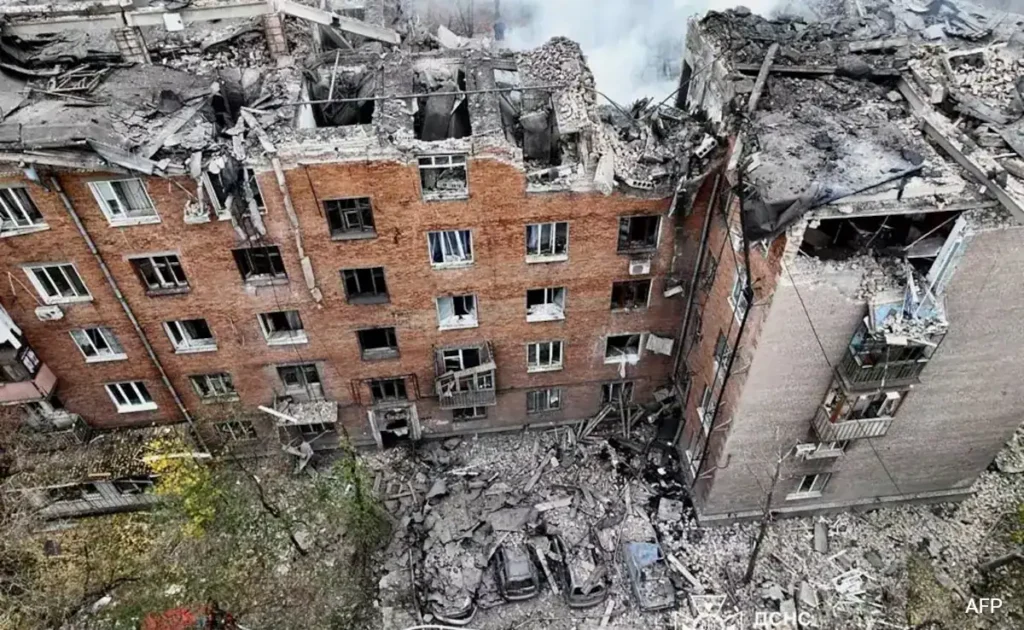
On Thursday, a Russian rocket attack killed two staff members of the Danish Refugee Council in northern Ukraine as they worked to clear landmines. Local officials confirmed the casualties, highlighting the ongoing toll of the conflict.
Macron warned that if Russia continued to reject peace proposals, Western nations would impose “additional sanctions” in coordination with the US. He accused Moscow of “doing nothing other than try to play for time” while escalating attacks against civilians.
The summit came on the heels of Putin’s recent visits to China and the US. In Beijing, where he stood alongside President Xi Jinping at a military parade, Putin boasted that Russian troops were making gains on “all fronts.”
What You Should Know
The Paris summit marks the first large-scale commitment by European powers to provide Ukraine with post-war security guarantees.
While 26 nations have agreed in principle to join a reassurance force, internal divisions remain—especially from Germany and Italy. Russia has outright rejected the idea, and US involvement under President Trump is still uncertain.
The initiative highlights both Europe’s growing role in the conflict and the deepening challenge of bringing Putin to the negotiating table.